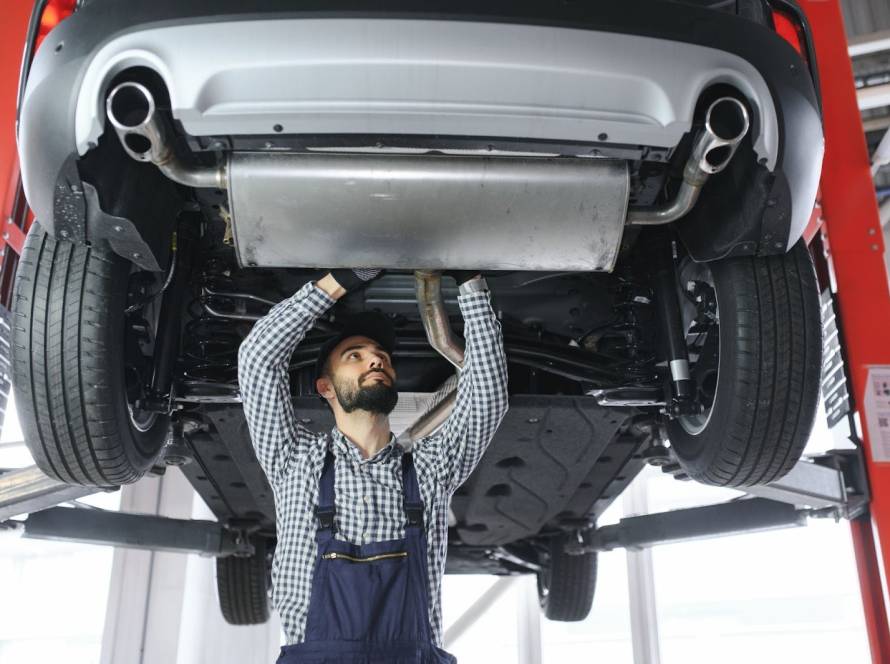
Owning a car means more than just filling the tank and driving. Every vehicle needs attention to stay reliable and safe on the road. Many drivers confuse auto service and auto repair, even though the two are not the same. Understanding the difference helps protect your budget, extend your vehicle’s life, and avoid unnecessary stress.
Auto Service Defined
Auto service refers to the routine maintenance your car requires to keep running efficiently. It follows a schedule the manufacturer recommends and focuses on prevention, not fixing existing issues. Oil changes, tire rotations, and fluid checks protect parts before they wear out. By staying consistent with auto service, you reduce the chance of sudden breakdowns.
Routine Maintenance and Care
Routine maintenance includes the regular services your car needs. Oil changes remove dirty fluid that causes engine damage. Tire rotations help distribute wear evenly for longer life. Brake inspections confirm that pads and rotors are still safe to use. Battery testing prevents failures that leave you stranded. These small steps combine to keep your car dependable every day.
Why Consistency Matters
Consistent service ensures your car performs as designed. Skipping maintenance lowers fuel efficiency and makes systems wear out faster. Following the intervals in your manual protects performance and safety. Mechanics look for early signs of trouble during each service, saving money by addressing minor issues before they worsen. Reliable service builds long-term trust in your vehicle.
Common Types of Auto Service
Auto service covers a wide range of tasks that maintain your car. These include air filter replacements that improve airflow and fuel economy. Coolant checks keep your engine from overheating on the road. Spark plug inspections ensure proper ignition and smoother driving. Transmission service reduces strain on one of the car’s most complex systems. Each of these services costs far less than waiting for a repair.
Auto Repair Explained
Auto repair involves fixing parts or systems that have already failed. It is different from auto service because it is reactive instead of preventive. Repairs restore your car to proper working condition after breakdowns or malfunctions. Depending on the issue, they can be minor or extensive.
When Repairs Become Necessary
Repairs are needed when something goes wrong with the vehicle. Examples include replacing a faulty alternator, repairing a radiator leak, or fixing transmission slips. Unlike service, these situations appear suddenly and often require urgent attention. They cannot be delayed without risking further damage. Repair work restores functionality that has already been lost. Acting quickly avoids larger failures in connected systems.
The Cost of Auto Repair
Repair costs are usually higher than routine service. Complex systems require diagnostic tools and advanced labor; replacing major components such as transmissions or engines often costs thousands. Skipping auto service increases the chance of expensive repairs later. For instance, ignoring oil service can destroy an engine. Investing in service helps drivers control long-term repair costs.
Levels of Auto Repair
Depending on the problem, repairs can range from small to extensive. Minor repairs include replacing belts, sensors, or spark plugs. More extensive jobs involve engine overhauls, head gasket replacements, or transmission rebuilds. The bigger the issue, the more time and money it requires. Handling minor repairs right away avoids more complicated fixes later. Repair work brings the car back to a safe operating condition.
Differences Between Auto Service and Repair
The main difference is that auto service prevents problems while auto repair fixes them after they appear. Service happens on a set schedule, while repairs respond to unexpected breakdowns. One protects performance, while the other restores it. Knowing this distinction saves time, money, and worry.

Timing and Purpose
Service takes place before issues develop, usually by mileage or time intervals. Repair begins only when a problem interrupts everyday driving. Service is preventive, while repair is corrective. Both are necessary, but for very different reasons. Timing makes the difference between planning and reacting. Understanding this helps drivers manage their vehicles with confidence.
Costs and Long-Term Impact
Service costs less and remains predictable over time. Repair bills often vary widely and can be financially draining. Regular service reduces the chance of emergency repairs. A consistent record also improves resale value when selling the car. Ignoring service nearly always leads to costlier repairs later. Choosing service saves money while preserving vehicle strength.
The Mechanic’s Role
Technicians approach service and repair with different methods. Routine service follows checklists that cover fluids, filters, and inspections. Repair requires diagnostics to find problems and advanced skills to solve them. While some overlap exists, repair often demands more profound expertise. Both are valuable but address separate needs. Understanding this division clarifies what to expect during shop visits.
Benefits of Knowing Auto Service vs. Repair
Drivers benefit greatly when they understand service versus repair. They communicate better with mechanics and avoid unnecessary confusion. They also budget more effectively by planning for both needs. Most importantly, they keep their cars safe and reliable.
Smarter Decisions at the Shop
Drivers who know the terms avoid mistakes when requesting work. Asking for a repair when only service is needed wastes time. Similarly, asking for service when the car requires repair delays fixes. Explicit knowledge helps mechanics provide precisely what the car needs. It also reduces the risk of paying for unnecessary work, saving money, and building confidence in shop interactions.
Budgeting Vehicle Expenses
Service costs can be scheduled and included in household budgets. Repair bills are harder to predict and often feel overwhelming. Planning for both service and repair avoids financial surprises. Drivers who save for each are better prepared when problems arise. Service should be seen as an investment that reduces overall costs. Repair funds act as a safety net for emergencies.
Extending Car Life
Cars that receive consistent service last longer on the road. Replacing fluids, filters, and worn parts reduces wear on systems, preventing breakdowns that shorten vehicle lifespan. Drivers often see their mileage far exceed expectations. Fewer repairs are needed because the car is cared for regularly. Service protects longevity while repair restores lost performance.
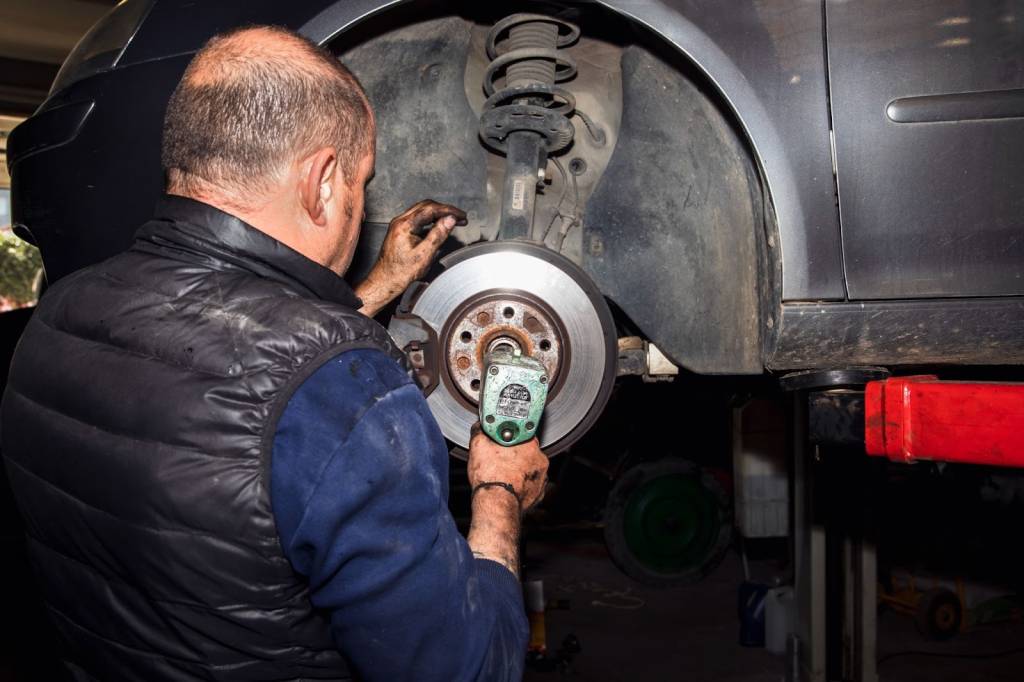
Choosing a Shop for Service or Repair
The shop you select influences the quality of both service and repair. A trustworthy business provides accurate assessments and reliable results. Drivers should consider reputation, communication, and equipment when making a choice. These factors shape the overall ownership experience.
Reputation and Trust
Reputation is the first sign of a quality shop. Strong reviews show customer satisfaction and reliable work. Certifications from recognized organizations also build confidence. Trust matters because safety and financial security are on the line. A respected shop earns loyalty by consistently delivering honest results. Drivers gain peace of mind when reputation speaks for itself.
Clear Communication
Shops that explain service or repair needs clearly stand out. Customers should always know what the job involves before it begins. Detailed estimates and updates prevent surprise costs. Good communication allows customers to make informed decisions. It also builds long-term trust in the relationship. Clear explanations show respect for the customer’s investment.
Tools and Specialization
Some shops focus on quick service while others handle complex repairs. Quick centers efficiently manage oil changes and inspections. Full-service shops and dealerships tackle repairs requiring advanced training. Modern diagnostic tools are essential for accuracy with today’s cars. Without them, repair work becomes trial and error. Choosing a shop with proper tools ensures precision and reliability.
How Auto Service Prevents Costly Repairs
Auto service prevents issues that eventually turn into repairs. Regular maintenance allows mechanics to spot wear before failure, saving money, protecting safety, and keeping vehicles dependable. Drivers who schedule service avoid many unpleasant surprises.
Spots Problems in Time
Service inspections highlight issues before they become serious. Mechanics find worn brake pads before they damage rotors. Battery checks identify weak performance before a car fails to start. Fluid inspections reveal leaks before engines overheat. Addressing these issues during service reduces costs. Acting at this stage prevents disruptions to daily driving.
Saves Money With Service
Routine service always costs less than unexpected repairs. Oil changes cost far less than replacing an engine. Transmission service is cheaper than a complete rebuild. Tire rotations stretch tire life and delay replacements. Preventive care spreads expenses evenly across the year, saving drivers thousands over the lifetime of their car.
Confidence on the Road
Drivers feel safer knowing their cars are serviced regularly. Long drives bring less stress when the vehicle has been inspected. Preventive service lowers the chance of roadside breakdowns. Commutes feel smoother without the worry of sudden failure. Financial peace follows because repair bills are minimized. Confidence grows with every completed service appointment.
Making the Right Choice for Your Vehicle
Balancing auto service and auto repair is the key to reliable ownership. Service protects performance while repair restores it when issues occur. Both are essential and support each other—drivers who plan for both experience fewer disruptions and lower costs.
Listen to Vehicle Warnings
Your car signals when repairs are needed. Warning lights, strange noises, and performance issues demand attention. Service reminders, on the other hand, come from mileage or time schedules. Recognizing both types of alerts avoids confusion at the shop. Paying attention keeps your vehicle in good working order. Ignoring signals always leads to more expensive fixes.
Prioritize Preventive Care over Emergency Fixes
Both service and repair have their place in ownership. Service lowers the number of times you need repairs, and repairs bring back safety and function when breakdowns happen. Neglecting one affects the other, creating more costs. A balanced approach maintains safety and reliability. Drivers who use both strategies save money and stress.
Develop a Maintenance Habit
Creating strong habits supports consistent vehicle care. Keeping a log of services makes tracking easier. Digital reminders or apps help prevent missed appointments. Planning services like health checkups reduces overlooked needs. Over time, these habits become part of routine driving. Consistency keeps vehicles healthier and more dependable.
Stay Ahead of Repairs With Timely Auto Service
Every mile you drive adds stress to your vehicle, and waiting for a breakdown only multiplies the cost. Auto service gives you control, preventing minor issues from escalating into expensive repairs. Prioritizing maintenance is not just about avoiding bills but about driving confidently daily. Book your auto service now and keep your car dependable for the road ahead.
Stay ahead of repairs and drive with confidence. The Monkey’s RV & Auto Repair blog offers advice based on real shop experience.