
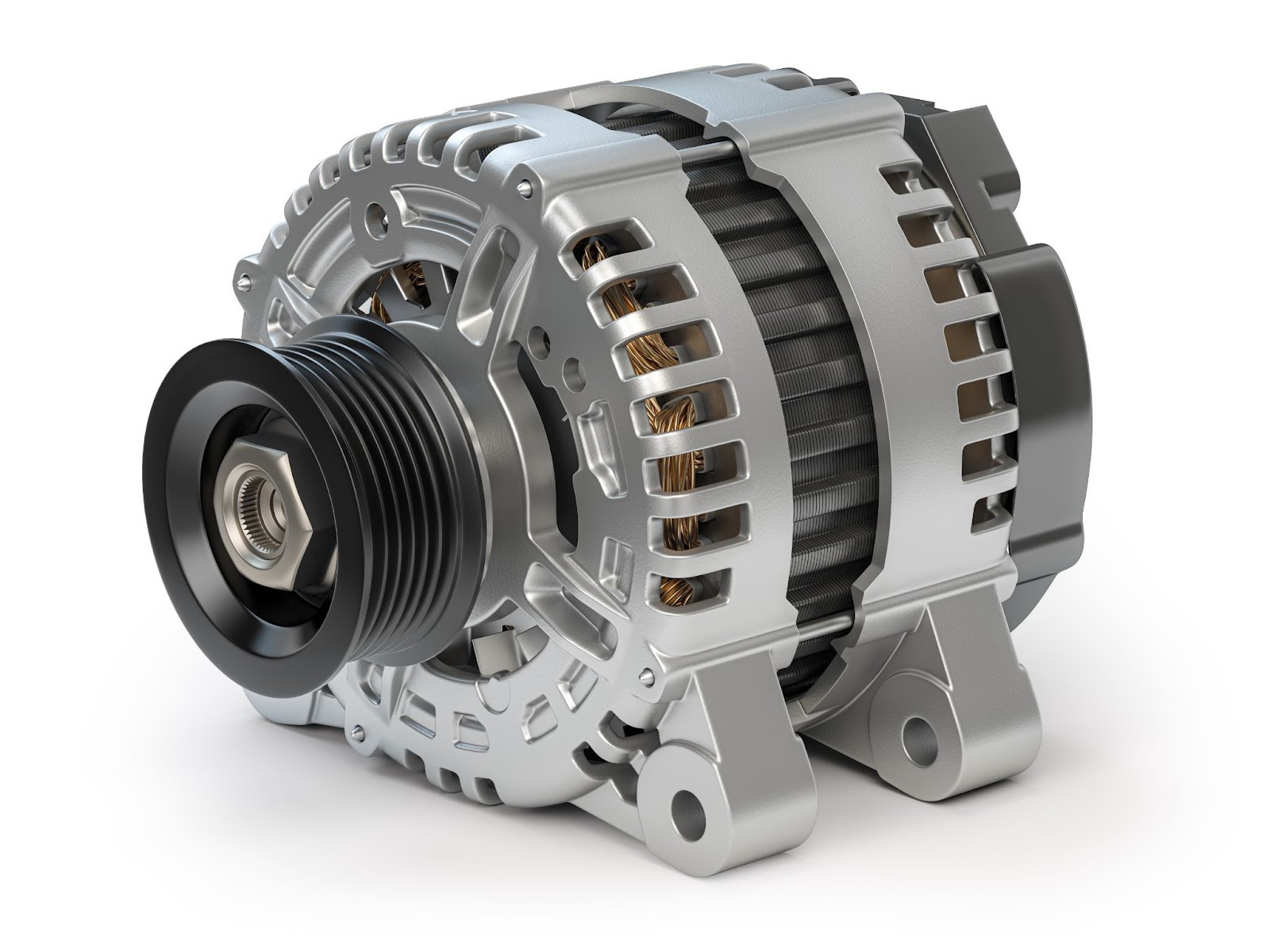
A few things can disrupt a busy day, such as a car not starting. For many drivers, it’s an unexpected hassle that raises immediate concerns over cost and downtime. Alternator failure is one of the more common reasons behind such breakdowns, often mistaken for a dead battery. What makes it more frustrating is the uncertainty surrounding pricing and the scope of the repair. Understanding what drives the cost of alternator replacement helps you make faster, smarter decisions when your vehicle stops cooperating.
What is an Alternator and Why Does it Fail?
The alternator powers your car’s electrical systems while the engine runs. It keeps your battery charged and supplies energy from the headlights to power the windows. When it begins to wear out, symptoms start small before growing into serious problems. Knowing how it works makes replacement costs more understandable.
How the Alternator Works in Your Vehicle
The alternator is your car’s mini power plant. It converts mechanical energy from the engine into electricity, which charges the battery and runs all electrical components. Without a working alternator, the battery drains quickly, leading to poor performance, dim lights, and engine stalling.
Common Causes of Alternator Failure
Wear and tear is the most common cause of alternator breakdown. Over time, internal parts like bearings or brushes degrade. Road debris or moisture can also lead to damage. Aftermarket accessories and poor installation sometimes strain the electrical system. Eventually, this overload will lead to complete alternator failure.
Signs You Might Need a New Alternator
Alternator trouble doesn’t always show up right away. The warning signs can be subtle, and many mimic battery issues. But the longer you wait, the more extensive the damage becomes. Recognizing these signs early can save you time and money.
Warning Indicators
Dim or flickering headlights are often the first sign. You may also hear grinding or whining sounds while driving. Dashboard warning lights, especially the battery icon, may light up. The engine might struggle to turn over or stall mid-drive. A burning smell can signal overheating or belt problems.
Diagnostic Test Results
Proper diagnostics are crucial before spending money on a new alternator. A mechanic will test the voltage output using a multimeter. If production drops below the manufacturer’s specs, the alternator may be to blame. But they’ll also check the battery and starter to rule out other failures. Skipping diagnostics can cause unnecessary and expensive repairs.
Average Cost to Replace an Alternator
The cost of replacing an alternator can catch many drivers off guard. It varies based on several factors: parts, labor, and location. Some vehicles require more complex service than others. Having a general cost range in mind helps avoid overpaying.
Breakdown of Alternator Replacement Costs
Alternator parts generally range from $100 to $500, depending on the vehicle and type. Remanufactured units are typically more affordable than new OEM options. Labor costs vary between $70 and $150 per hour across different shops. Some replacements are straightforward, while others require more time due to the engine layout. Sometimes, shops may also recommend replacing the serpentine belt, which can raise the total cost.
Dealership vs. Independent Mechanic Pricing
Dealerships charge more, often because of brand-name parts and shop rates. You’re also paying for certified techs and access to vehicle-specific expertise. Independent mechanics, however, usually offer the same repair for less. This route works well for older or high-mileage vehicles. Still, you must verify warranty coverage before choosing either option.
Factors Affecting the Cost to Replace an Alternator
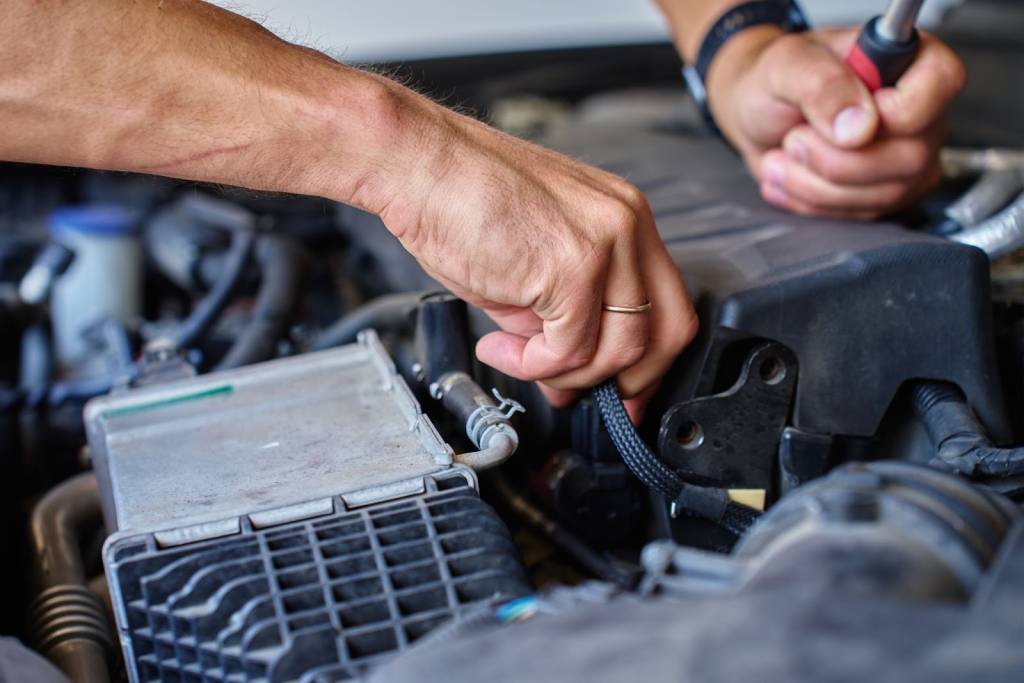
Alternator replacement costs differ widely depending on the vehicle. Some models demand more labor or use pricier parts. Likewise, local labor rates and part availability influence total expenses. Considering these variables provides a fuller financial picture.
Vehicle Make, Model, and Age
Due to simpler designs and more widely available components, compact car parts usually cost less than those for SUVs or high-end models. European brands may need imported parts or specific tools. Older models may require modifications if the original parts are no longer available. Some newer cars have alternators located deep within the engine bay, which can increase labor time and raise the bill.
Labor Rates and Geographic Location
Repair rates vary widely across states and cities. Urban areas usually charge more due to high demand and overhead. Small-town shops may offer better rates, but they often have longer wait times. Coastal regions also see higher costs due to limited competition. Where you live directly affects what you’ll pay.
Electrical System Complexity
Hybrid and electric vehicles often utilize advanced alternator systems, which are more expensive to replace and require specialized service. Cars with added features, such as heated seats and entertainment systems, place a greater load on the alternator. Heavier electrical demand can lead to earlier wear, increasing the frequency and cost of replacement.
Ways to Save on Alternator Replacement
Spending less on alternator replacement isn’t just about finding the cheapest shop. Making informed decisions about parts and service can help reduce overall costs. Consider long-term value, not just the upfront bill. These tips can help lower your expenses without cutting corners.
Rebuilt or Remanufactured Alternators
Remanufactured alternators offer a solid middle ground. These units are used and restored to factory standards. They’re less expensive than new and usually reliable. Warranties may be shorter, but many last 12 months or more. For daily drivers, this is often the most cost-effective route.
DIY Replacement
Replacing an alternator yourself saves on labor but comes with risks. You’ll need basic tools, a jack, and solid mechanical skills. Mistakes can cause costly damage to the vehicle’s electrical system. Some newer cars require battery registration or software resets. For those without experience, it’s best left to a technician.
Using Coupons or Loyalty Programs
Many repair shops offer seasonal discounts or loyalty rewards. You might find printable coupons online or on auto repair apps. Dealerships also run occasional service promotions. Signing up for email alerts from local garages can help you save. Always ask about current offers before booking a service.
Related Repairs During Alternator Replacement
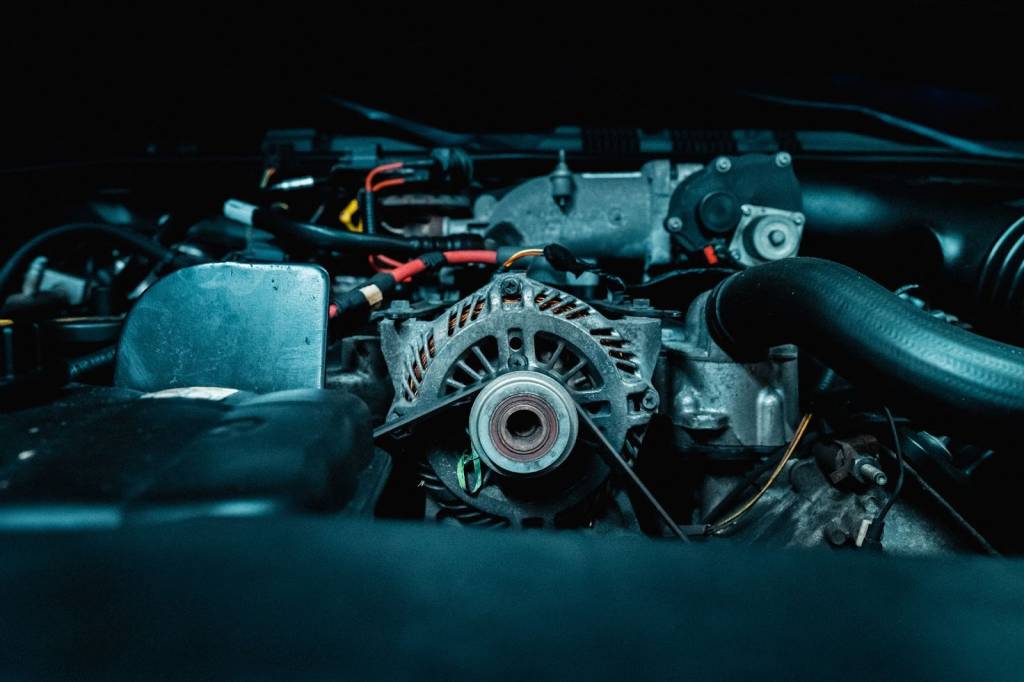
Alternator issues rarely happen in isolation. A failing alternator can strain or damage nearby components because it’s part of your vehicle’s broader electrical and mechanical system. Mechanics often uncover related problems during the inspection or while replacing the unit. Addressing these simultaneously prevents repeat visits and avoids compounding costs later on.
Battery Replacement or Recharge
A weak or dead alternator puts constant pressure on the battery. If the battery has been drained multiple times, it may not recover even after the alternator is replaced. During service, most technicians test both systems together. Replacing a failing alternator without checking the battery often leads to more trouble days later. Replacement is usually the most brilliant move if your battery is over three years old or shows low voltage.
Serpentine Belt and Tensioner Replacement
The alternator depends on the serpentine belt to function correctly. This belt drives the alternator and other components, such as the power steering and AC compressor. If worn, cracked, or loose, it can slip or break. Tensioners and pulleys may also wear out, creating an extra load on the alternator. Replacing these components during alternator service is cost-effective and helps prevent future failures.
Fuse and Wiring Repairs
Electrical damage from a failing alternator can blow fuses or weaken wiring connections. During diagnostics, mechanics often check for burnt wires, corrosion, or voltage irregularities. If overlooked, these problems can damage or prevent the new alternator from charging the battery. Repairs include replacing a blown fuse or repairing a frayed connector. These are minor fixes, but essential to the job being done right.
ECU and Charging System Reset
Some modern vehicles require a system reset after alternator replacement. The Engine Control Unit (ECU) monitors voltage levels and may trigger false warnings if not reset. This step ensures proper alternator performance and avoids dashboard light errors. While not technically a repair, it’s a service many shops include after installation. Always confirm this step is handled if your car is newer or has complex electronics.
Starter Motor Troubleshooting
A failing alternator often affects the vehicle’s ability to start, leading many to blame the starter. Sometimes, repeated stress from low voltage can eventually wear down the starter as well. If starting issues persist after the alternator replacement, the starter may also require inspection. Replacing both is rare but not unheard of, especially in older vehicles. Getting a proper diagnosis saves time and eliminates guesswork.
How to Budget for the Cost to Replace an Alternator
Car repairs never arrive at a convenient time, but knowing how to manage costs softens the impact. Strategies exist for planning for repair expenses without draining savings. Being proactive pays off.
Plan for Emergency Car Repairs
Setting aside a monthly auto fund helps prepare for surprise breakdowns. Even $25 a month builds up over time. Some drivers use prepaid maintenance or extended warranties. Depending on the plan, these sometimes cover alternator repair. Review your coverage before paying out of pocket.
Evaluate Repair vs. Vehicle Replacement
If your car needs frequent repairs, consider options. Older cars with over 200,000 miles may not justify expensive maintenance. Compare the current value of the vehicle with the estimated repair costs. Trading in or selling can free up funds for a more reliable ride. Every situation differs, but don’t throw money at a dying car.
Get Multiple Quotes from Trusted Shops
Not all shops charge the same for alternator service—request quotes from two or three trusted local mechanics. Look for reviews, warranties, and included services. A shop might offer a free inspection or include a battery test. Quality service matters just as much as price.
Stay Ahead of Alternator Replacement Costs
A reliable vehicle starts with a strong charging system. Taking action when symptoms appear helps prevent bigger repairs down the road. Replacing your alternator at the right time keeps your battery healthy and your engine running smoothly. With a clear plan, you control the cost instead of reacting to it. Stay prepared, and your car stays dependable.
Stay informed on common car issues, wise repair choices, and maintenance insights. Explore the Monkey’s RV & Auto Repair blog for more trusted guidance.