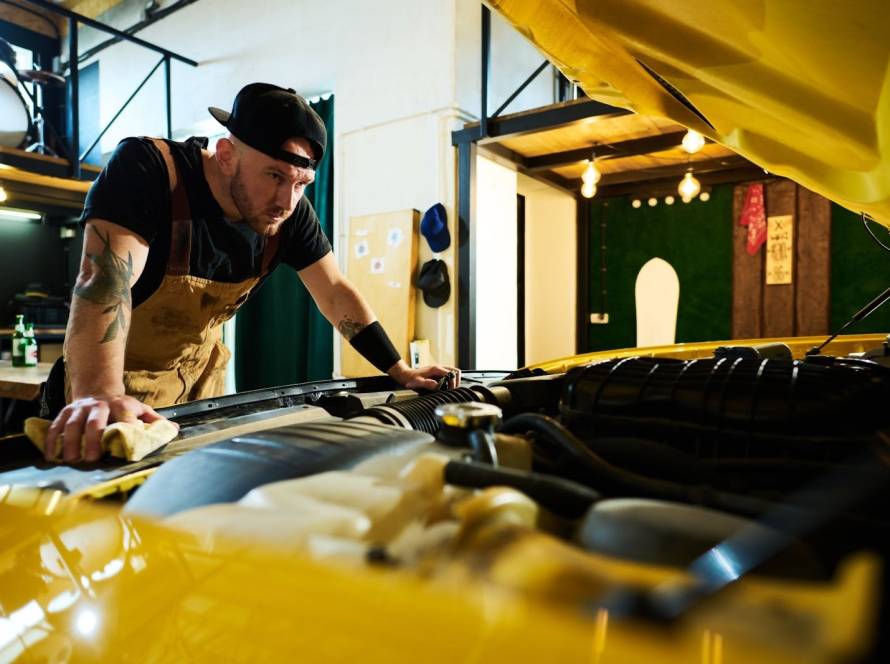
Drivers often notice the sound of their engine but rarely pay attention to the exhaust system until a problem arises. A failing exhaust can cause performance loss, harmful emissions, and unsafe driving conditions. Professional exhaust repair restores vehicle reliability and prevents more expensive damage later. Understanding what to expect during this service removes guesswork and prepares drivers for a smoother experience.
Why Exhaust System Repair Matters
Exhaust system repair keeps the engine efficient, safe, and environmentally responsible. A damaged system reduces performance, increases fuel costs, and puts passengers at risk. Professional repair services restore function while meeting emission regulations. That makes regular maintenance and timely fixes critical for every driver.
Improves Vehicle Performance
The exhaust system directs gases away from the engine while maintaining proper airflow. When pipes crack or blockages occur, the engine works harder and loses efficiency. Drivers may feel sluggish acceleration, poor fuel mileage, and less responsive handling. Professional repair clears obstructions and restores smooth performance. The vehicle feels more balanced, efficient, and reliable after service.
Reduces Toxic Emissions
An exhaust system filters harmful gases through the catalytic converter before releasing them. When this system fails, untreated gases escape the environment and the surrounding air. Drivers may face penalties if emission standards are not met. Repair or replacement of faulty parts restores clean output. Keeping emissions under control protects both public health and driver compliance with laws.
Prevents Safety Risks
Leaking exhaust gases like carbon monoxide can reach the cabin and expose passengers to health risks. Common symptoms include fatigue, dizziness, or nausea while driving. These leaks often go unnoticed until they become severe. Repairing damaged pipes and seals stops gas entry before it becomes hazardous. Keeping the system intact protects the safety of everyone in the vehicle.
Warning Signs of Exhaust System Trouble
Exhaust problems reveal themselves through sound, smell, or reduced efficiency. Drivers who pay attention to early signs avoid worsening damage and higher costs. Recognizing these warnings allows mechanics to diagnose and correct issues quickly. Awareness is the first step to protecting both performance and safety.
Loud Noises
A failing muffler or broken pipe often produces loud rumbling under the car. Drivers may also notice rattling sounds from loose parts or hangers. These noises indicate that the system is no longer sealed or secure. Ignoring them risks further cracks and even structural detachment. Repairing noisy exhaust systems restores quieter operation and prevents additional failures.
Rust and Corrosion
Because exhaust systems sit beneath the car, they are exposed to water, dirt, and road salt. Over time, these elements cause corrosion that weakens metal pipes and joints. Small holes let gases leak, while advanced rust can break entire sections. Once rust spreads, repair options become limited to replacements. Professional attention removes corroded parts and secures the system again.
Poor Fuel Economy
When exhaust flow is disrupted, the engine compensates by using more fuel. Drivers often notice more frequent trips to the pump despite unchanged driving habits. Blocked converters or leaking pipes reduce efficiency and power. A professional repair clears restrictions and restores normal fuel usage. Fixing this problem quickly saves money and improves long-term engine health.
Strange Odors
Strong exhaust or fuel smells around the vehicle often signal leaks before the tailpipe. These odors come from gases escaping too soon or from unburned fuel. Breathing these fumes is unsafe and points to deeper system damage. Mechanics trace the source through inspection and repair the leak. Addressing unusual odors prevents exposure and restores safe operation.
Process of Professional Exhaust System Repair
Exhaust repair services follow structured steps to diagnose, explain, and correct problems. Each stage provides transparency and ensures lasting results. Customers can expect inspection, diagnostic testing, clear communication, and skilled repair work. This process builds trust and confidence between the driver and the shop.
Visual Inspection
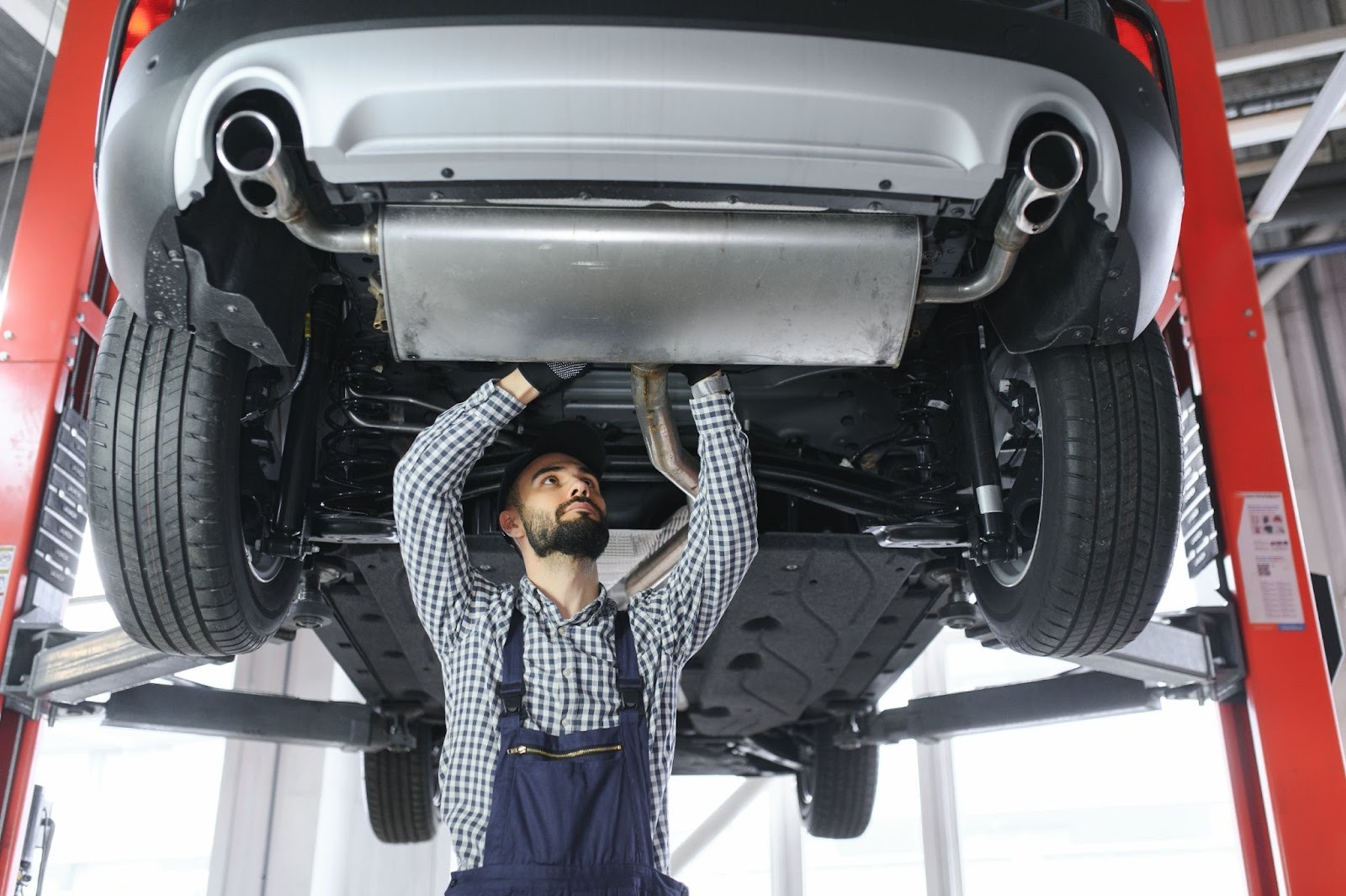
The process starts with raising the vehicle to check the entire exhaust system. Mechanics look for cracks, leaks, rust, or detached parts. They also check hangers and connections to confirm structural stability. Documenting visible issues gives customers a clear view of the problem. This step sets the foundation for accurate diagnostics and repair planning.
Diagnostic Tests
After inspection, mechanics use specialized tools such as gas analyzers and pressure gauges. These tests measure backpressure, emissions, and oxygen sensor function. Hidden clogs or leaks often appear during this stage. Test results confirm whether parts need repair or full replacement. Accurate diagnostics prevent unnecessary costs and ensure the correct solution.
Repair Options Discussed
Once results are available, technicians review findings with the driver. They explain whether welding, sealing, or replacement is the best approach. This discussion includes costs, timeframes, and expected results. Drivers can then approve work with a complete understanding. Clear communication reduces uncertainty and builds trust in the service provider.
Repair Completion
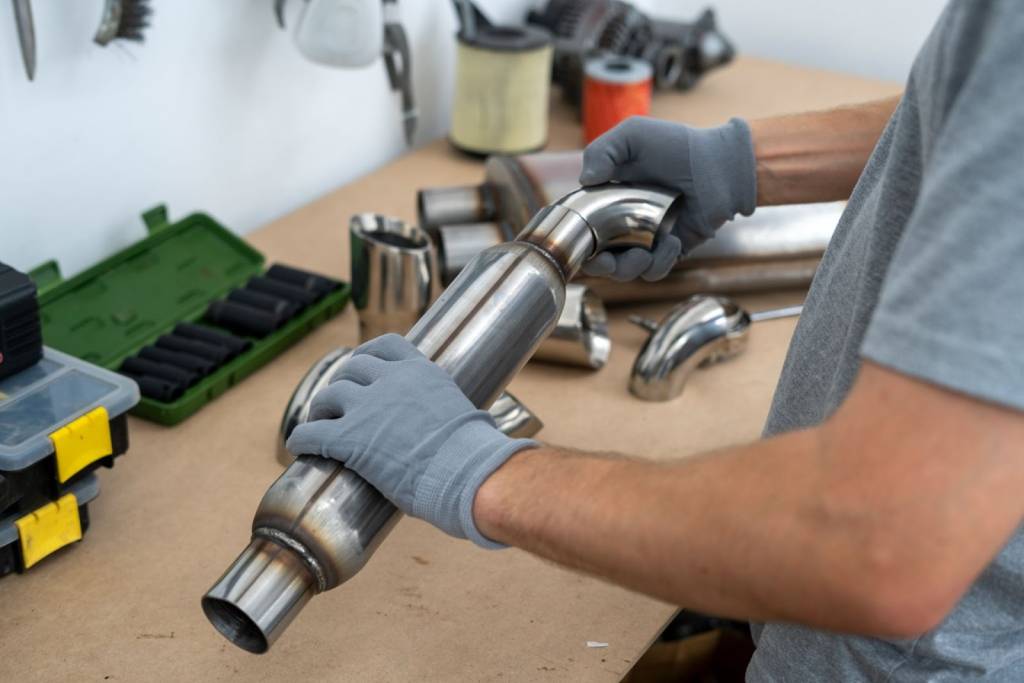
Repairs follow manufacturer standards and professional safety practices. Mechanics remove damaged components, weld connections, or install new parts as required. Each repair is tested before the car leaves the shop. A final inspection ensures noise, emissions, and performance are restored. This careful process provides long-lasting results for the driver.
Types of Exhaust Repair Services Offered
Professional shops offer multiple repair services, each addressing different system components. These services restore noise control, emissions compliance, and engine efficiency. Repairs may focus on mufflers, converters, pipes, or sensors, depending on the issue. Each service contributes to a fully functioning exhaust system.
Muffler Repairs
The muffler reduces engine sound while supporting emission control. When it fails, the car becomes noticeably louder. Mechanics may weld cracks or replace the muffler entirely. Replacement is often the fastest and most effective solution. Restored mufflers return the vehicle to quieter and safer operation.
Catalytic Converter Services
Catalytic converters break down harmful gases before they leave the exhaust. Converters can clog, fail from contamination, or be stolen for valuable metals. Symptoms include engine misfires, strong odors, or reduced performance. Mechanics test converter efficiency and recommend replacement if repair is impossible. Installing a new converter restores legal compliance and engine balance.
Pipe and Hanger Repairs
Pipes and hangers keep the exhaust system aligned beneath the car. Damage leads to sagging, rattling, or complete detachment while driving. Welding and part replacement restore proper stability. Correctly positioned hangers also prevent vibration and wear. This simple service protects the entire exhaust structure from failure.
Oxygen Sensor Replacement
Oxygen sensors measure air-to-fuel ratios for engine control. A failing sensor causes poor mileage, rough idling, and higher emissions. Diagnostic testing quickly identifies a malfunctioning sensor. Replacing it restores fuel efficiency and smoother performance. Minor repairs like this deliver noticeable improvements in daily driving.
Advantages of Professional Exhaust Repair
Professional exhaust repair combines expertise, tools, and high-quality parts to deliver reliable results. Customers benefit from precise diagnosis, skilled technicians, and warranty-backed service. These advantages create long-term savings and peace of mind. Choosing a certified shop ensures the repair lasts and protects vehicle safety.
Technicians Bring Experience and Training
Certified mechanics understand the complexity of modern exhaust systems. Their training covers a wide range of vehicle makes and models. Experience allows them to identify issues faster and with greater accuracy. Skilled hands ensure repairs are both safe and durable. Drivers trust these professionals to restore their vehicles correctly.
Shops Use Specialized Equipment
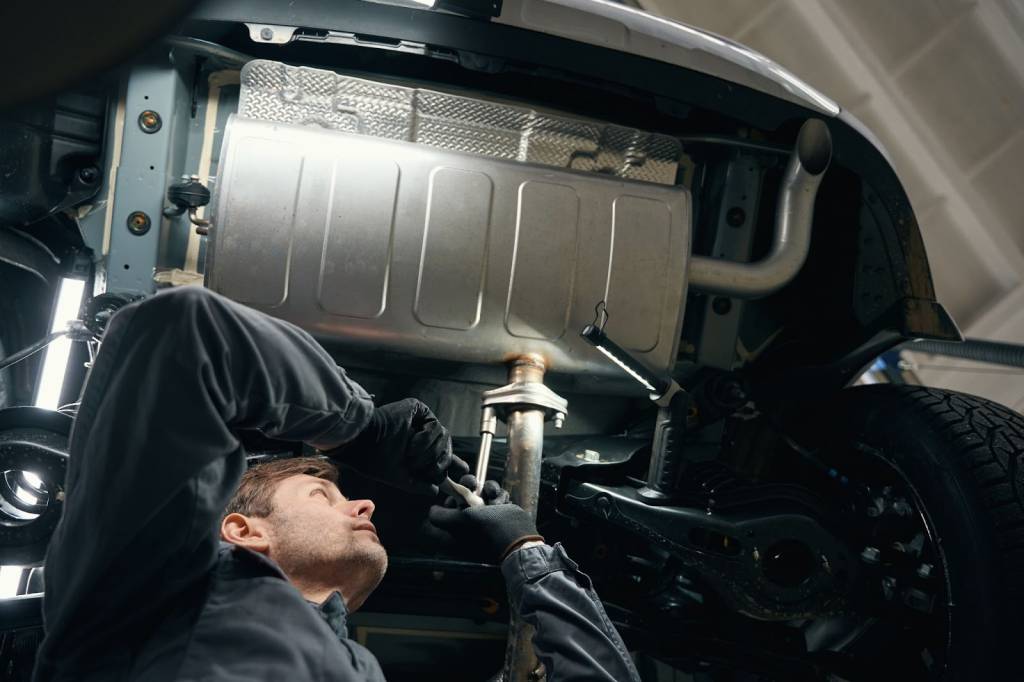
Repairing exhaust systems requires more than basic tools. Shops use lifts, welding machines, and diagnostic analyzers unavailable to most drivers. This equipment allows precise identification and correction of problems. Advanced tools also speed up the repair process. The combination of skill and equipment delivers superior service outcomes.
Quality Parts Provide Long-Term Value
Reputable shops use manufacturer-approved parts that last longer. Cheap alternatives may fail quickly and cause repeat visits. Warranties often cover both parts and labor, giving customers added confidence. Drivers know the repair investment provides durability and protection. Using quality components is a key part of professional service.
Preparing for an Exhaust Repair Appointment
Preparation helps customers get more from their service visit. Drivers support faster and clearer repairs by noting issues, planning costs, and asking the right questions. Mechanics work more effectively when customers share accurate details. A little preparation makes the entire process smoother.
Record Symptoms Before the Visit
Drivers should write down unusual sounds, odors, or performance changes. These details help mechanics focus their inspection quickly. Clear notes prevent overlooked issues and guide accurate diagnostics—the more specific the description, the better the result. Sharing observations saves time and avoids repeated visits.
Plan Costs for Possible Repairs
Exhaust repair prices vary depending on parts and labor. Asking for an estimate provides a realistic expectation. Some shops also offer financing for larger expenses. Understanding potential costs reduces stress during approval. Being financially prepared makes the process less overwhelming.
Ask About Service Duration and Warranty
Different repairs require different amounts of time. Simple welds may take less than an hour, while catalytic converter replacement may need longer. Asking about timelines prevents confusion or frustration. Customers should also confirm warranty coverage on repairs. It ensures confidence in the service performed.
Why Timely Exhaust Repair Is Urgent
Delaying exhaust repair risks higher expenses and unsafe driving conditions. Small cracks or leaks quickly expand into system-wide problems. Acting at the first warning protects both the vehicle and its passengers. Timely attention keeps costs manageable and prevents dangerous exposure.
Small Issues Can Grow Into Costly Damage
A single rust spot can expand until all the pipes fail. Leaks that start small often lead to complete system replacement. Addressing them early keeps repair costs low. Professional shops stress this to prevent unnecessary expense. Timely repairs protect both the system and the wallet.
Exhaust Safety Protects Drivers and Passengers
Leaks can release carbon monoxide, which is odorless and dangerous. Symptoms such as dizziness or headaches may occur during driving. Fixing leaks keeps dangerous gases outside the cabin. Repairs return the car to a safe operating condition immediately. Safety remains the strongest reason for prompt service.
Repairs Maintain Legal Compliance
Most states require emissions testing for road-legal vehicles. Faulty exhaust systems often fail these tests. Noncompliance may result in fines, registration problems, or denied renewals. Repairing the exhaust system ensures vehicles pass inspections successfully. Staying compliant keeps cars both safe and legal on the road.
Keep Driving Strong With Exhaust System Repair
Every drive depends on a reliable exhaust system that supports safety, efficiency, and peace of mind. Waiting only allows minor issues to grow into costly and dangerous problems. A trusted repair service brings back performance while protecting everyone inside your vehicle. Schedule your repair now and keep your car ready for the road ahead.
Fuel your knowledge with trusted guidance—visit the Monkey’s RV & Auto Repair blog for practical advice on repairs, safety, and performance.