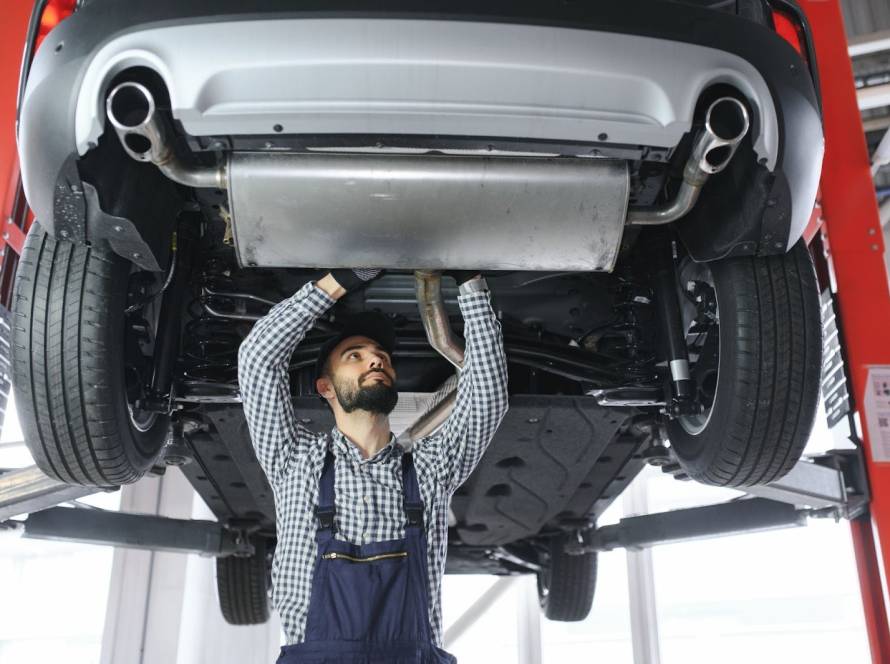
Drivers often underestimate how much their daily commute depends on a healthy engine until something breaks down. A sudden engine failure doesn’t just leave you stranded; it empties your wallet and disrupts your schedule. The truth is that consistent care prevents those overwhelming repair bills and keeps your car dependable. Maintenance may feel routine, but it is the difference between reliability and facing an expensive car engine repair.
The Real Cost of Car Engine Repair
Engine repair is one of the most expensive services in the auto industry. The price often reaches thousands of dollars because modern engines are complex and labor-intensive. Costs also rise because replacement parts are built for precision, which demands skilled installation. Beyond the shop bill, breakdowns carry ripple effects that drain your budget further.
Why Engine Repairs Drain Your Wallet
Engine rebuilds and replacements cost far more than most routine services. A rebuild may cost several thousand dollars, while a new engine can exceed ten thousand, depending on the vehicle. Skilled mechanics need hours of labor to dismantle, diagnose, and repair the system. The use of specialized tools and precision parts raises the total even higher. These repairs often feel overwhelming because the bill arrives without warning. Taking preventive steps helps you avoid this sudden financial shock.
Hidden Expenses After Engine Damage
The repair invoice is only part of the expense. Drivers also pay for towing services, rental cars, and missed workdays during downtime. Insurance does not always cover these secondary costs, which means they come directly out of pocket. Additionally, a car with a repaired engine usually loses resale value because buyers fear reliability issues. These hidden losses make engine damage far more expensive than most drivers realize. Regular maintenance keeps you from falling into this financial trap.
How Regular Maintenance Extends Engine Life
Consistent service is the simplest way to protect your car’s most valuable component. Oil, filters, and coolant are small parts of a system that need regular attention to stay healthy. Skipping these tasks shortens an engine’s lifespan and leads to early breakdowns. Proper maintenance gives your car years of reliable service and prevents expensive car engine repair.
Oil Changes Keep Parts Running Smoothly
Oil lubricates moving parts and helps manage heat inside the engine. Without fresh oil, friction builds, leading to wear and premature damage. Old oil also turns into sludge, clogging channels and restricting flow. It can cause overheating and even permanent failure. Frequent oil changes protect the internal system from unnecessary stress. Keeping oil clean extends the engine’s lifespan and reduces costly repairs.
Air and Fuel Filters Protect the System
Engines rely on clean air and fuel to run efficiently. When filters clog, airflow decreases and fuel delivery becomes inconsistent. The engine works harder, burning more fuel and producing extra heat. Over time, this damages cylinders and pistons. Replacing air and fuel filters keeps combustion clean and reduces wear. Regular filter changes are inexpensive compared to the cost of car engine repair.
Coolant Flushes Prevent Overheating
Engines generate extreme heat that must be controlled to prevent damage. Coolant circulates through the system, carrying heat away and preventing parts from warping. Old coolant corrodes internal surfaces and leaves deposits that block circulation. Once blocked, heat rises quickly, leading to cracked heads or blown gaskets. Flushing coolant at recommended intervals clears buildup and keeps temperatures stable. This simple step prevents costly engine failures caused by overheating.
Why Preventive Care Saves on Car Engine Repair
Regular care is the foundation of keeping repair costs low. Every skipped service or overlooked inspection raises the risk of damage. Preventive steps reduce strain, extend engine life, and keep bills manageable. Understanding these reasons makes it clear why maintenance is always the more intelligent choice.
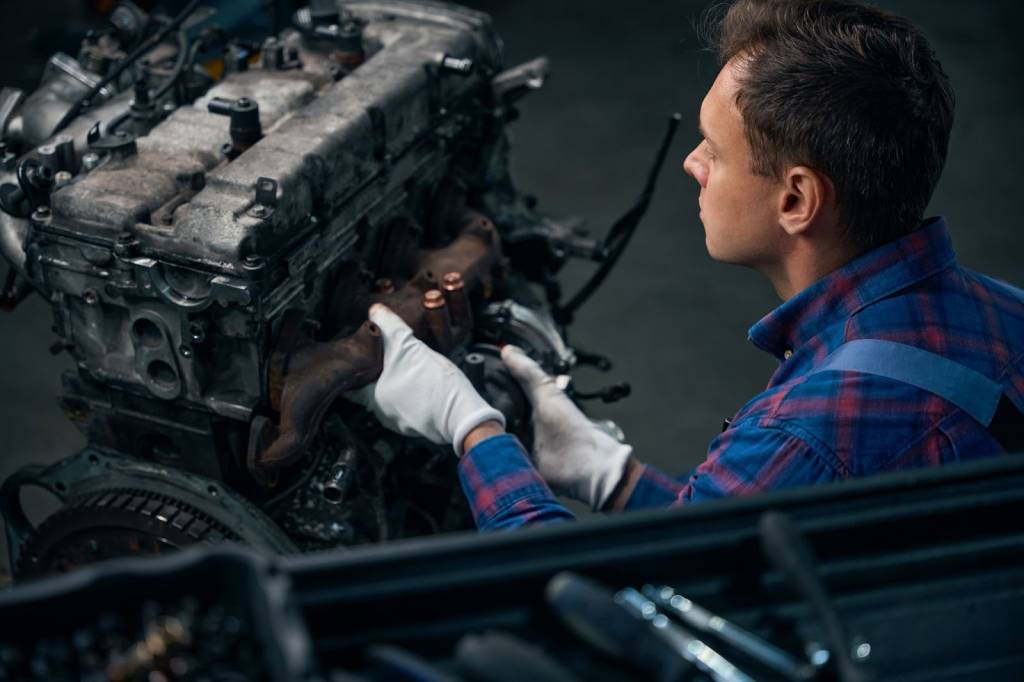
Catches Small Issues Before They Worsen
Engines rarely fail suddenly; they show warning signs before breaking down. The problem is that drivers often ignore these signals until damage is extensive. Regular inspections and quick responses to unusual behavior stop issues from escalating. Paying attention to early warnings avoids the cost of complete engine repair.
Warning Lights Signal Trouble Ahead
Dashboard lights provide critical information about the car’s health. The check-engine light, in particular, alerts you to issues that may seem small but quickly worsen. Ignoring this signal can damage catalytic converters, sensors, or cylinders. Repairing those parts costs far more than addressing the original cause. Modern vehicles use sensors to detect problems early, so treating alerts seriously saves money. Acting when the light appears keeps the repair manageable and the engine safe.
Odd Noises Shouldn’t Be Ignored
Unusual engine noises are often the first sign of mechanical stress. A knocking sound may point to worn bearings, while ticking could signal valve issues. Grinding noises sometimes suggest failing accessories like water pumps or alternators. Each sound indicates a developing problem that will spread if not addressed. Drivers who investigate noises quickly stop damage before it expands. Listening closely to your car helps prevent costly engine repairs.
Regular Inspections Spot Hidden Risks
Not every issue is evident from the driver’s seat. Inspectors can find leaks, worn belts, or cracked hoses. If neglected, these parts can be damaged before they fail, leading to overheating or loss of lubrication. Inspections also confirm that fluids, sensors, and seals work as designed. Repairing a gasket or belt costs little compared to an engine replacement. Regular inspections are one of the best defenses against expensive car engine repair.
Helps Adjust Driving Habits to Protect Engine Health
Driving style directly affects how much strain is placed on the engine. Aggressive habits wear down parts faster, while steady driving extends performance. Even simple behaviors like taking short trips or carrying heavy loads create stress. Adjusting driving habits reduces the likelihood of costly car engine repair.
Aggressive Driving Increases Wear
Rapid acceleration and sudden stops make the engine more complicated than necessary. These actions create heat and friction that shorten component lifespan. Over time, stress on pistons, bearings, and seals leads to breakdowns. Aggressive driving also consumes more fuel, raising overall expenses. Choosing smoother acceleration and braking preserves both the engine and fuel economy. Minor adjustments in driving habits extend the life of your vehicle.
Short Trips and Cold Starts Add Stress
Engines function best at full operating temperature, which short trips often prevent. Cold starts create moisture and fuel residue inside the system. When the oil does not warm enough, it cannot effectively protect moving parts. Over time, diluted oil accelerates internal wear and reduces efficiency. Grouping errands allows the engine to run longer and stay cleaner. This small change lowers the chances of premature engine repair.
Overloading Pushes the Engine Too Hard
Carrying more weight than the vehicle can handle can strain internal systems. Overloading forces the engine to work harder, generating heat and consuming extra fuel. It can cause head gaskets, pistons, and crankshafts to fail prematurely. Towing heavy loads without proper preparation is especially damaging. Following the manufacturer’s weight limits reduces these risks and protects your engine. Avoiding overload is another way to save money on repairs.
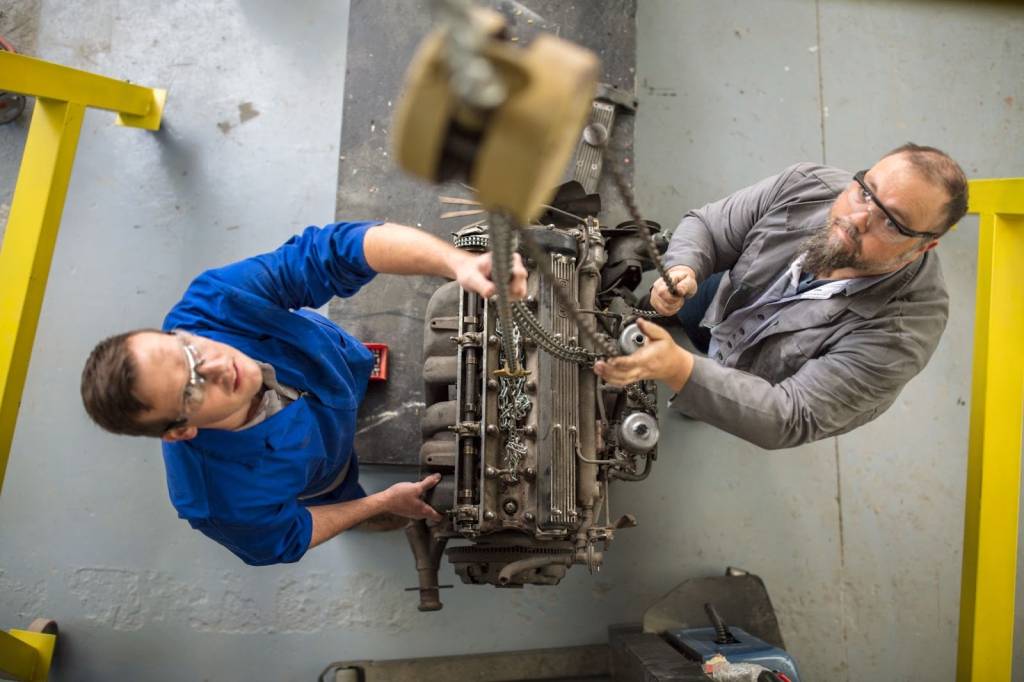
How Scheduled Maintenance Saves Money Long-Term
Regular service is a financial strategy as much as a mechanical one. The small cost of routine care prevents the overwhelming price of a breakdown. Maintenance also supports reliability, keeping vehicles on the road instead of in the shop. Long-term, this approach saves thousands in repair costs.
Manufacturer’s Service Intervals as a Guide
Automakers design service schedules to maximize performance and reliability. These intervals cover oil changes, inspections, and part replacements. Ignoring them allows minor issues to grow unnoticed, creating major repairs. Following the schedule ensures that the car operates as intended. Drivers who stay consistent spend less on repairs over time. Using the manual as a guide is one of the easiest ways to avoid costly car engine repair.
Budgeting for Routine Care vs. Sudden Repair
Routine maintenance spreads costs throughout the year, making them manageable. Engine replacement, by contrast, arrives without warning and drains savings. Annual oil changes, fluid flushes, and inspections often cost less than a single repair. This predictable spending helps drivers plan their finances. In comparison, unplanned engine work usually leads to debt or lost savings. The financial difference highlights the actual value of maintenance.
Resale Value and Buyer Confidence
A car with complete maintenance records sells for more than one without. Buyers value documented care because it proves reliability. Neglected cars lose value quickly and struggle to attract serious offers. Service history also reassures future owners that hidden problems are less likely. Maintaining records benefits drivers financially even when selling the car. Consistent service protects both the engine and resale value.
When to Seek Professional Help for Car Engine Repair
Some engine problems are too complex for a simple fix. Recognizing when to involve a professional mechanic saves money and prevents further damage. Skilled technicians have the tools and training that most drivers lack. Knowing when to seek help is critical to avoiding costly car engine repair.
Signs That Demand Immediate Mechanic Attention
Some symptoms signal urgent risks that should not be ignored. Heavy smoke, sudden stalling, and overheating all point to dangerous issues. These problems often connect to coolant leaks, fuel system failures, or worn internal parts. Driving under these conditions risks total engine destruction. Addressing these signs with a professional saves the vehicle from collapse. Trusting the warning signs prevents repairs from spiraling out of control.
Why DIY Isn’t the Best Option
Home repairs seem cost-effective, but they carry risks. Without the right tools, a mistake can damage sensitive engine components. Incorrectly installed parts may fail quickly, leading to more expenses. Professional mechanics use diagnostics to identify problems accurately. Their expertise ensures that issues are fixed the first time. Investing in expert help avoids long-term financial losses.
Building a Relationship With a Trusted Mechanic
Working with the same mechanic builds trust and history. A technician who knows your car well can spot changes more quickly. This familiarity often leads to accurate diagnoses and better recommendations. Drivers also benefit from honest advice and long-term reliability. Regular visits strengthen this relationship and prevent overlooked issues. Over time, loyalty to a trusted mechanic saves money and stress.
Reduce Car Engine Repair Risks
Waiting until an engine fails is gambling with money and peace of mind. Every oil change, filter replacement, and inspection you schedule builds a shield against massive repair bills. Reliability is not luck—it is the reward of consistent care. Start treating maintenance as an investment, and you will drive confidently knowing costly car engine repair stays out of your future.
Visit the Monkey’s RV & Auto Repair blog to discover maintenance strategies that stretch your engine’s life and protect your budget.