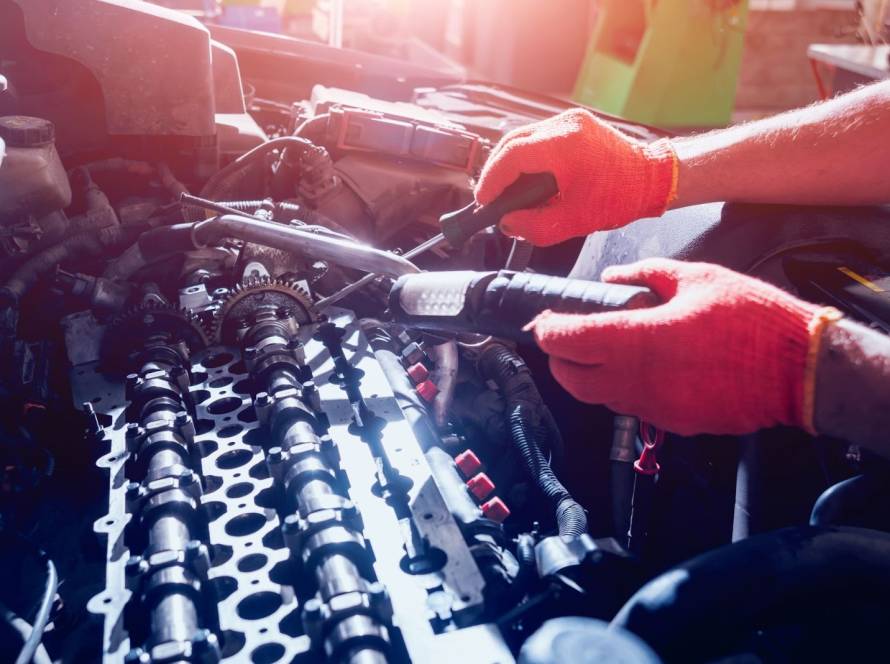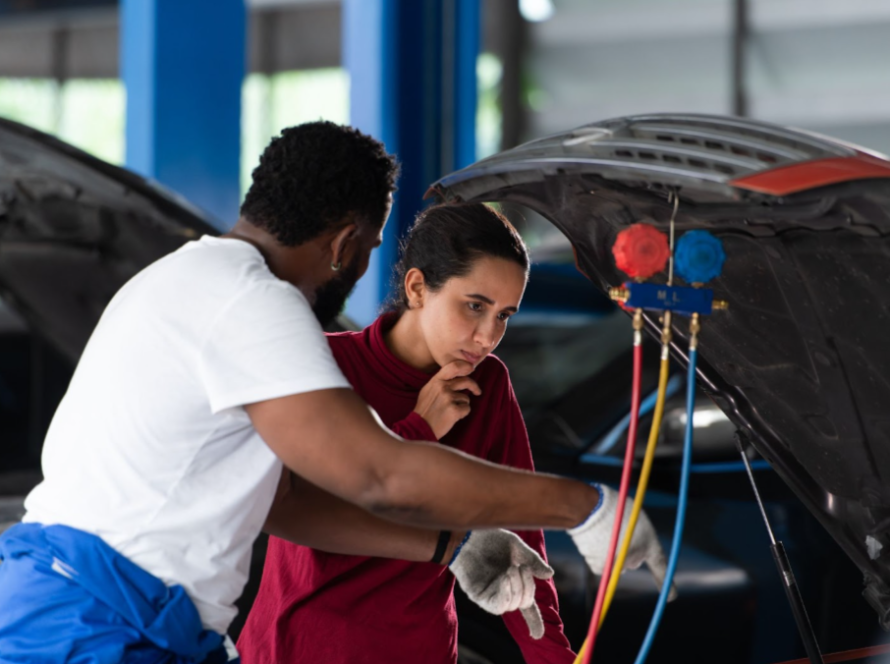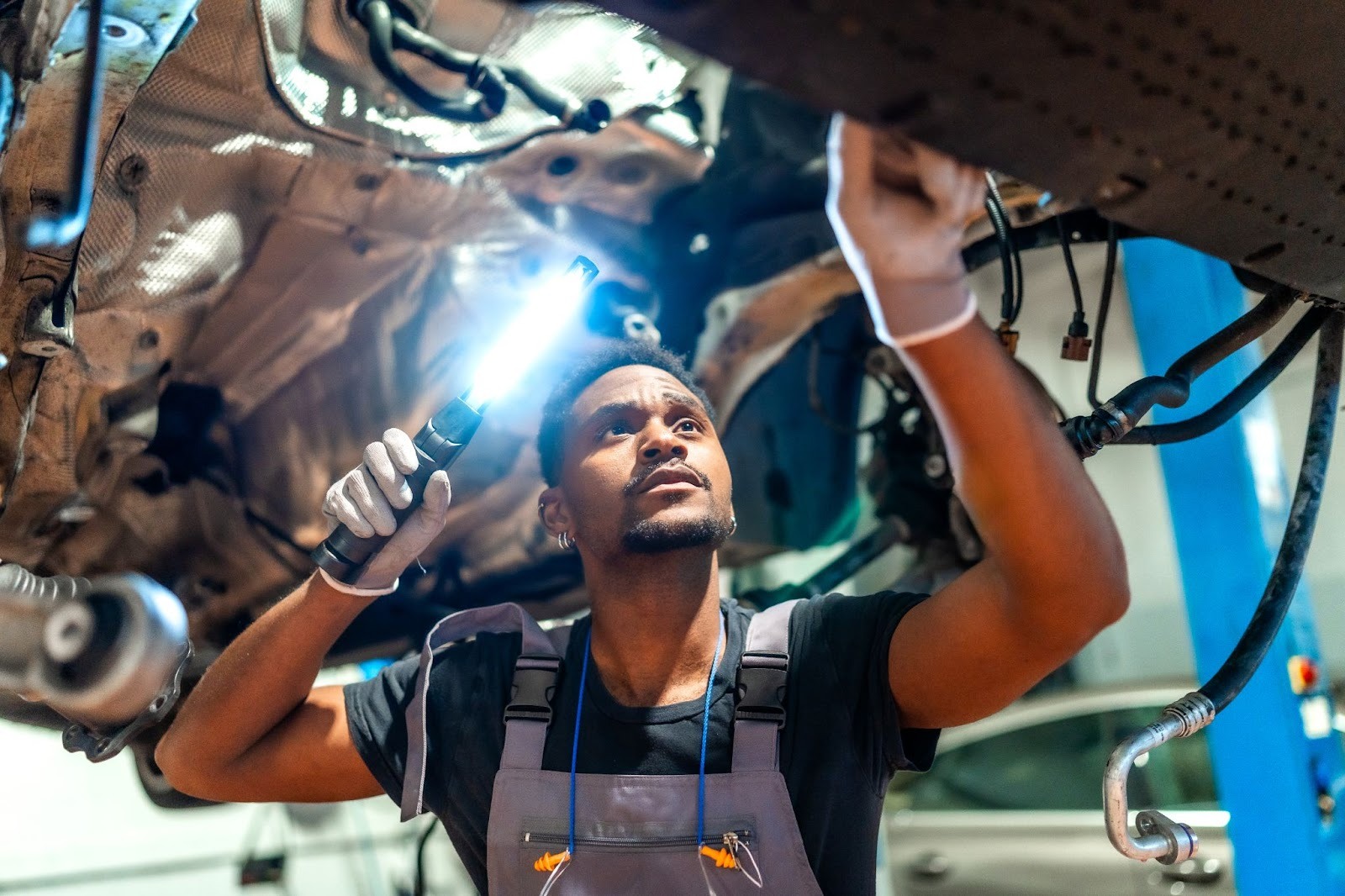
Car ownership comes with constant decisions, and maintenance often falls to the bottom of the list. Many drivers notice warning lights, strange sounds, or performance changes and choose to wait. That delay feels harmless when the vehicle still runs and daily schedules feel packed. Over time, postponed auto repair quietly changes manageable issues into costly disruptions. These repair choices shape safety, finances, and reliability more than most drivers expect.
The Psychology Behind Delaying Auto Repair Decisions
Delaying auto repair decisions often stems from human behavior rather than a lack of awareness. Many drivers experience decision fatigue after managing daily responsibilities, leading them to postpone non-urgent decisions. Optimism bias also plays a role, causing people to believe the problem will remain stable or resolve on its own. Cost uncertainty adds hesitation, since unclear pricing makes delay feel safer than commitment. Familiarity with the vehicle’s current behavior can create a false sense of reassurance. Over time, repeated postponement becomes a habit that normalizes risk. This psychological pattern explains why delays continue even when consequences feel likely.
Why Auto Repair Delays Lead to Costly Problems
Delaying vehicle maintenance often feels harmless when performance seems unchanged. That perception overlooks how mechanical systems respond under continued strain. Small irregularities rarely remain isolated inside a moving vehicle. Understanding why postponement leads to escalating consequences sets the stage for the reasons that follow.
Small Vehicle Issues Escalate Over Time
Small vehicle issues escalate because mechanical systems depend on balance and timing. A minor fault often forces surrounding components to compensate. That compensation accelerates wear across connected parts. Delay allows manageable problems to spread quietly.
Dashboard Warning Lights Signal Active Issues
Dashboard warning lights reflect data from vehicle monitoring systems. These alerts appear when sensors detect abnormal performance. Many drivers assume the vehicle will remain safe until behavior changes. That assumption ignores how computers adjust their operation to compensate. Compensation increases strain on nearby components. Over time, the repair scope expands beyond the original alert.
Unusual Vehicle Noises Indicate Mechanical Stress
Unusual vehicle noises usually signal friction or looseness. Sounds like squealing or grinding suggests parts are wearing unevenly. Drivers often dismiss these noises if performance feels normal. That dismissal allows internal surfaces to degrade further. Noise may fade briefly as parts shift position. Damage continues even when silence returns.
Minor Fluid Leaks Escalate Into Failures
Minor fluid leaks involve oil, coolant, or transmission fluid escaping slowly. Drivers often refill fluids rather than repair the source. This approach hides symptoms without stopping deterioration. Reduced lubrication increases heat inside components. Seals weaken under fluctuating pressure. System failure follows once fluid loss reaches a threshold.
Postponed Fixes Increase Total Repair Costs
Postponed fixes increase costs because damage spreads beyond the original issue. Simple corrections become full replacements over time. Labor increases as technicians address layered problems. Financial impact grows with every delay.
Small Adjustments Become Costly Replacements
Small adjustments include tightening, cleaning, or recalibration. These tasks remain affordable when addressed promptly. Delay allows wear to damage adjacent components. Brake pads, for example, damage rotors when ignored. Replacement then becomes necessary instead of adjustment. Costs rise due to combined parts and labor.
Compounded Damage Raises Labor Time
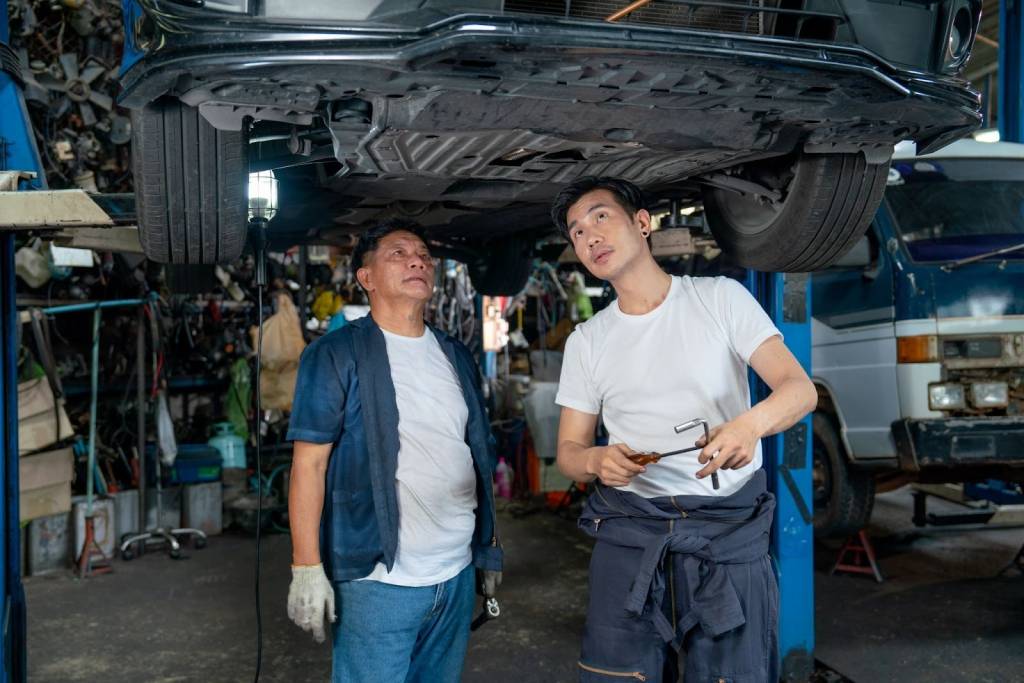
Compounded damage occurs when one issue triggers others. Technicians must trace symptoms across systems. That diagnostic process takes additional time. Disassembly often becomes unavoidable. Labor hours increase as complexity rises. Bills reflect the expanded effort required.
Emergency Repairs Cost More Than Planned Service
Emergency repairs happen without scheduling flexibility. Towing fees add immediate expense. Shops prioritize urgent cases more often. Parts availability becomes limited under time pressure. Decision-making suffers during stressful situations. Overall costs rise beyond routine service levels.
Ignored Vehicle Problems Increase Safety Risks
Ignoring vehicle problems reduces reliability during critical moments. Safety systems depend on a consistent mechanical response. Delays weaken control, braking, and stability. Road conditions magnify these weaknesses quickly.
Brake Wear Reduces Stopping Reliability
Brake wear occurs gradually as pads thin. Drivers adapt subconsciously to longer stopping distances. That adaptation masks declining performance. Heat builds faster in compromised brake systems. Sudden stops feel inconsistent or weak. Safety margins shrink without a clear warning.
Tire and Suspension Issues Reduce Stability
Tire and suspension issues affect grip and balance. Uneven tire wear changes road contact. Suspension wear alters alignment and steering response. Drivers may notice vibration or drifting at speed. Wet or uneven roads worsen these effects. Loss of stability increases collision risk.
Steering Problems Limit Driver Control
Steering problems develop as looseness or resistance. Drivers often compensate with adjusted habits. That compensation fails during sudden maneuvers. Control becomes unpredictable under pressure. Steering systems rarely self-correct. A repair delay increases the risk of a sudden loss of control.
Neglected Maintenance Shortens Vehicle Lifespan
Neglected maintenance accelerates internal wear across major systems. Engines, transmissions, and electronics absorb added stress. Efficiency declines as tolerance limits erode. Vehicles age faster under repeated delay.
Engine Wear Accelerates Without Maintenance
Engine wear increases when lubrication degrades. Old oil loses protective properties. Heat builds inside the engine block. Metal surfaces weaken gradually. Performance declines without dramatic signs. Repair complexity rises once damage sets in.
Transmission Damage Develops Gradually
Transmission damage begins with subtle shifting delays. Drivers adjust their driving behavior instead of seeking service. That adjustment increases internal friction. Gear surfaces degrade under load. Repairs then require extensive labor. Replacement costs exceed routine service by wide margins.
Electrical System Issues Spread Quickly
Electrical issues affect sensors, wiring, and control modules. Weak batteries strain alternators and systems. Corrosion disrupts signal accuracy. Warning lights appear unrelated to the cause. Diagnosis becomes time-intensive later. Repairs grow more complex as faults spread.
Modern Vehicle Systems Amplify Delay Risks
Modern vehicles rely on tightly integrated systems. Mechanical and digital components constantly exchange data. A fault in one area quickly disrupts others. Delay complicates repair paths and outcomes.
Vehicle Sensors Detect Problems Before Drivers
Vehicle sensors monitor temperature, pressure, and emissions. These systems detect abnormalities early. Alerts appear before noticeable performance changes. Ignoring alerts allows anomalies to persist. Computers adjust output to compensate. That adjustment increases wear elsewhere.
Software Depends on Accurate Mechanical Input
Vehicle software relies on precise physical feedback. Misaligned parts send faulty data. Computers respond with incorrect adjustments. Fuel efficiency and drivability suffer. Software updates cannot correct physical faults. Mechanical accuracy remains essential.
Electrical Failures Affect Multiple Systems
Electrical failures rarely remain isolated. Weak connections disrupt several components. Power fluctuations confuse control modules. Drivers notice erratic behavior or alerts. Single-part replacement may not resolve issues. Comprehensive repair becomes necessary.
Vehicle Neglect Disrupts Daily Routines
Vehicle neglect introduces unpredictability into daily life. Drivers lose confidence in reliability. Schedules depend on consistent transportation. Delay replaces predictability with disruption.
Breakdowns Interrupt Work and Family Plans
Breakdowns disrupt schedules without warning. Missed work affects income and productivity. Family responsibilities become harder to manage. Alternative transportation adds inconvenience. Repeated disruptions increase frustration. Confidence in the vehicle declines steadily.
Temporary Fixes Provide False Confidence
Temporary fixes mask symptoms without solving causes. Additives or resets offer short relief. Drivers continue to use normally despite false reassurance. The underlying problem remains active. Failure returns unpredictably. The repair scope expands further.
Ongoing Stress Affects Driving Focus
Ongoing stress builds with unpredictable performance. Drivers listen for every sound or vibration. Anxiety replaces comfort behind the wheel. Focus and reaction time decline. Driving becomes mentally exhausting. Proper repair restores calm and confidence.
Preventive Maintenance Stabilizes Ownership Costs
Preventive maintenance spreads costs across ownership. Predictability replaces financial surprises. Planning becomes easier with consistent care. Long-term expenses remain controlled.
Scheduled Service Reduces Unexpected Expenses
Scheduled service identifies wear during inspections. Mechanics flag issues before failure. Owners plan repairs around budgets. Predictable costs ease financial strain. Decisions become proactive. Vehicles remain dependable longer.
Maintenance Records Protect Resale Value
Maintenance records demonstrate responsible ownership. Buyers trust vehicles with service history. Trade-in evaluations improve with documentation. Neglect leaves visible inspection issues. Value drops when problems persist. Records support stronger resale outcomes.
Trusted Repair Shops Improve Efficiency
Trusted shops understand vehicle history. Technicians recognize recurring patterns. Diagnosis becomes faster and clearer. Recommendations reflect familiarity. Owners receive transparent explanations. Time and money savings follow.
Delayed Auto Repair and Insurance Consequences
Delayed auto repair can directly affect how insurance claims are reviewed and resolved. Insurers often examine vehicle condition before approving payouts. Maintenance history influences how responsibility gets assigned after incidents. That review process can shift outcomes when unresolved issues exist.
Maintenance History Influences Claim Evaluations
Insurance adjusters review maintenance records when assessing claims. These records help determine whether damage resulted from sudden events or ongoing neglect. A delayed repair can appear as a contributing factor rather than an isolated failure. That distinction affects coverage eligibility in some situations. Adjusters rely on service documentation to establish vehicle condition before incidents. Inconsistent maintenance weakens the driver’s position during claim review.
Neglected Repairs Can Shift Liability
Liability decisions depend on whether a vehicle met basic operating standards. Delayed auto repair sometimes suggests a preventable risk. Insurers may argue that unresolved issues contributed to the severity of the damage. That argument reduces compensation in certain cases. Mechanical neglect complicates fault determination after accidents. Repair delays therefore introduce financial uncertainty beyond repair costs.
Claim Delays Increase When Damage is Compounded
Compounded damage is more difficult to evaluate during claims. Adjusters must separate pre-existing wear from incident-related damage. That process slows approvals and settlements. Delayed repairs blur timelines and lines of responsibility. Inspections become more detailed and time-consuming. Resolution often takes longer when maintenance gaps exist.
Prioritize Auto Repair to Reduce Long-Term Risk
Delays often feel practical in the moment, yet they quietly increase exposure to cost, stress, and lost reliability. Vehicles respond best to attention given before strain reshapes small issues into larger setbacks. Consistent decisions around auto repair protect more than mechanical parts; they protect time, safety, and long-term ownership value. Choosing to address concerns promptly keeps control with the driver instead of leaving outcomes to chance.Understanding vehicle care changes ownership outcomes.
Read the Monkey’s RV & Auto Repair blog for clear guidance that supports confident repair choices.