
Strange exhaust sounds can unsettle any driver because noise usually signals trouble that feels close and immediate. Many people rely on predictable driving, so any new sound affects comfort and trust in the vehicle. A sudden rattle or hiss can stir concern because system problems rarely stay small. Drivers want clear information when something under the car no longer sounds right. That need for clarity strengthens the connection to this topic because sound often speaks before a problem grows.
How Exhaust Sounds Reveal System Trouble
Strange exhaust noises reveal system trouble because changes in airflow create sound shifts quickly. Drivers hear these changes before performance issues appear, which helps them react sooner. This early warning gives them time to protect the engine and the exhaust path. Sound helps pinpoint the start of damage without complex tools.
Why Exhaust Noise Changes Happen
Exhaust noise changes happen because the system controls gas movement under pressure, and any gap alters that flow. A small leak creates new sound paths that drivers hear as tapping or hissing during acceleration. Loose brackets shake when the car moves and create rattling that grows louder on rough roads. Corrosion weakens metal and forms small holes that release sharp bursts of sound as gases escape. The muffler can also wear down on the inside, increasing deep, low-frequency rumbling. These changes indicate structural stress is building within the pipes and joints. This shift in sound gives drivers a warning before the problem spreads across the system.
Early Noises Drivers Should Never Ignore
Drivers should never ignore early exhaust noises because they reveal issues forming at the start. Light tapping indicates that gases are escaping through a small leak near a joint or seam. A strong hiss signals a crack near the engine bay, where pressure builds faster. Deep rumbling during idle suggests muffler wear or internal chamber failure—sharp rattling under the vehicle points to loose heat shields or weak brackets. A roaring tone during high speed shows widening holes or failing pipes. This group of sounds tells drivers that the exhaust path is losing stability and needs repair.
Common Exhaust Repair Issues Behind Noises
Common exhaust problems cause unusual sounds because weakened parts respond more strongly to heat and movement. Drivers often hear symptoms before they feel performance loss, which helps identify the issue sooner. This early detection gives them a chance to protect their engine and avoid rising repair costs. Understanding these issues guides proper service choices.
Leaks That Create Tapping And Hissing
Exhaust leaks create tapping and hissing because air escapes through cracks or gaps at high pressure. A leak forms first at joints that undergo constant heating and cooling, which causes the metal to flex. Small openings expand during acceleration, increasing sound intensity. Drivers may hear these taps under the cabin floor or near the firewall. Leaks also force fumes toward the vehicle and strain the engine by reducing proper airflow. The leak grows larger when left untreated, leading to louder noise and greater fuel waste. This issue becomes dangerous when fumes move near the cabin vents or interior seals.
Loose Parts That Cause Rattling Underneath
Loose exhaust parts cause rattling beneath the vehicle because brackets and shields vibrate during movement. Road bumps shake these pieces and raise sound levels as metal hits metal. A loose muffler can shift slightly, creating a hollow rattle when the engine vibrates. Heat shields rust and break at the edges, causing them to flap while driving. The rattling grows louder when the speed increases or when the car hits uneven pavement. If ignored, the part can detach and damage other components. This failure increases risk because the piece may drag or strike the road surface.
Corrosion That Creates Deep Roaring Sounds
Corrosion creates deep, roaring noises because rust eats through metal, opening channels for sound to escape. Winter roads and salt exposure accelerate this process, weakening pipes from the outside and inside. A thin muffler wall loses its ability to control sound waves, resulting in an unbalanced roar. Drivers hear this change most clearly while accelerating, when pressure rises. Corrosion also spreads across seams, creating more weak spots that fail over time. This structural decline affects backpressure and lowers engine performance. Rusted parts often require replacement because repairs cannot rebuild missing metal.

Failing Gaskets That Leak Air
Failing gaskets allow air to escape, altering exhaust pressure and causing harsh, fluttering noise. These gaskets connect pipes and must stay sealed despite heat cycles that cause expansion. Over time, the gasket material cracks and cannot contain the gases properly. The leak forces air out in pulses that drivers hear near the engine bay. This problem also throws off sensor readings because the system receives changed oxygen levels. Poor sensor data leads to rough idling and reduced fuel efficiency. A new gasket restores the seal and brings back normal airflow.
How Exhaust Repair Supports Engine Health
Exhaust repair protects engine health because proper airflow keeps the engine breathing smoothly. Any change in pressure affects combustion and power delivery. Drivers may feel shaking, poor acceleration, or rough idling as exhaust issues grow. Repairing the system stabilizes airflow and restores drive quality.
How Backpressure Changes Affect Power
Backpressure helps control how gases exit the engine, and any change quickly affects performance. A leak reduces this pressure, which forces the engine to work harder during each cycle. Drivers notice slow response or weak acceleration when the pressure drops. The engine burns more fuel to compensate for the loss in efficiency. Rough shifts or shaking may follow as sensors detect inconsistent flow. Gases may linger longer in the cylinders, which disrupts the next combustion cycle. This cycle of strain grows worse until the issue is repaired.
How Exhaust Issues Strain Components
Exhaust issues strain components because the engine must continuously balance fuel, air, and heat. A leak creates false oxygen readings that confuse the engine control unit. The system responds by adjusting the fuel mixture, resulting in uneven combustion. Drivers then feel vibrations at idle or during low speeds. Heat may rise under the hood because poor flow traps gases near the engine. Misfires may appear when pressure changes disrupt timing. This chain reaction shows how one exhaust issue can affect the entire power system.
Why Fuel Efficiency Drops With Exhaust Problems
Fuel efficiency drops when the exhaust path weakens because the engine cannot regulate air and fuel precisely. A sensor reading error makes the system add more fuel than needed. Drivers notice higher gas use during short trips or on the highway. The car may smell strong fuel near the tailpipe due to incomplete burning. Exhaust leaks also reduce the pressure needed for smooth combustion. This imbalance becomes more noticeable as the leak expands. Repair restores proper airflow and reduces wasted fuel.
Safety Risks Linked To Faulty Exhaust Systems
Faulty exhaust systems increase safety risks because fumes and heat escape their intended paths. Drivers face threats from both the gases and the rising temperatures under the car. This risk grows when cracks sit close to the cabin or wires. Repairing the system protects the driver and the vehicle.
Carbon Monoxide Risks From Cracks
Carbon monoxide becomes dangerous when cracks allow fumes to enter the cabin. This gas has no scent, making it more deceptive to drivers and passengers. Leaks near the firewall or under the cabin push fumes into the ventilation path. Drivers may feel headaches or dizziness during long rides. Prolonged exposure can cause severe harm inside the vehicle. Strong airflow from the exhaust helps keep fumes away from passengers. This danger underscores why leaks must be addressed as soon as noise is detected.
Heat Hazards Near Exhaust Parts
Heat hazards occur when failing exhaust components redirect heat toward wires, shields, or cabin panels. Metal expands under heavy strain, which creates new gaps for heat to escape. Drivers may smell burning material when heat reaches plastic components. The floor may feel warm during long drives because the heat moves upward. Melted shields create new rattles and reveal further damage. High heat can also weaken mounts that support the exhaust path. This buildup of heat can damage the vehicle’s lower half.
Professional Exhaust Repair Stops Noise Fast
Professional exhaust repair stops noise by identifying the exact cause with specialized tools. Repairs restore the flow path and bring back clean performance. Service also prevents damage from spreading into connected systems. A trusted shop helps drivers maintain comfort and safety.
What Technicians Check During Inspections
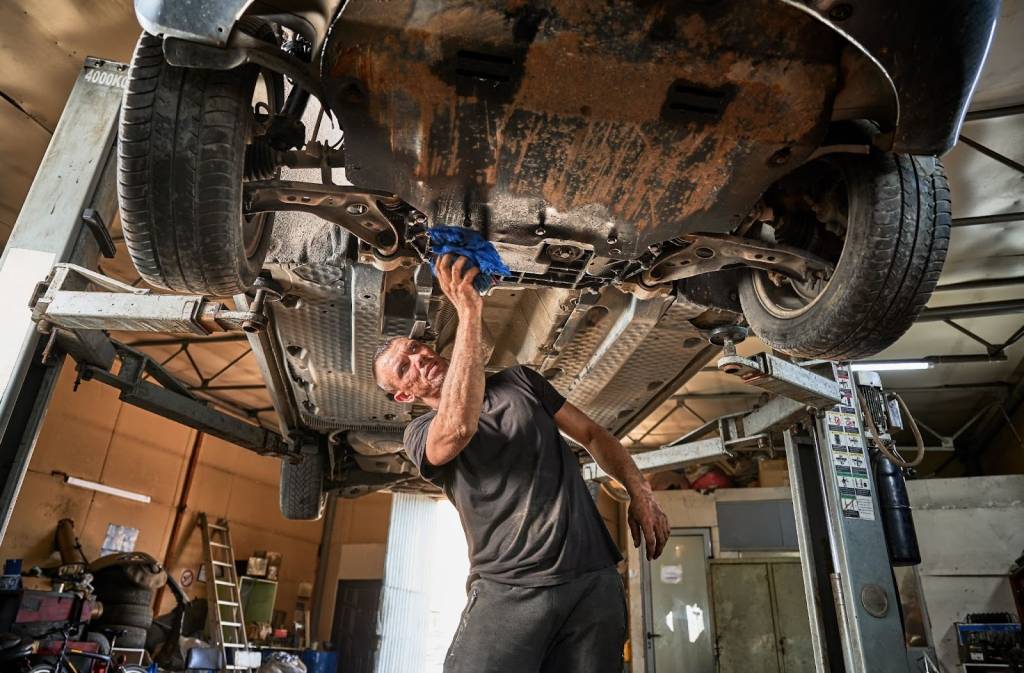
Technicians check pipes, mounts, joints, and gaskets for visible cracks or vibration marks. They inspect heat shields for broken edges and rust that loosens the metal. They test the muffler for internal damage that disrupts sound control. Smoke tests help reveal hidden leaks along the exhaust path. Scanners read sensor data to confirm proper oxygen balance. A lift allows full access to the underside, where many issues begin. This detailed inspection helps identify problems before the system fails.
How Repairs Restore Quiet Operation
Exhaust repairs restore quiet driving by sealing leaks and removing damaged parts. New gaskets create closed joints that stop airflow noise. Replace pipes to remove weak metal that produces hissing or tapping. Tightened brackets prevent rattling caused by road vibration. Secured heat shields protect the cabin from rising temperatures and noise. Muffler replacements eliminate the deep, roaring sound that signals internal wear. This complete repair process brings back a stable, clean sound from the exhaust.
Valuable Exhaust Repair Solutions
Exhaust repair solutions offer lasting value by protecting fuel efficiency and engine life. Strong parts withstand heat and pressure better, offering greater durability. Drivers save money by addressing issues before the system fails. Good maintenance keeps the exhaust path working smoothly.
When Replacement Beats Repair
Replacement beats repair when corrosion covers large areas or when cracks spread across joints. Small patches cannot rebuild thin metal that has lost strength. A damaged muffler with internal decay cannot regain proper sound control. Severe rust often affects entire pipe sections and weakens weld points. Replacement gives drivers a fresh, stable surface that resists future leaks. It also improves airflow and reduces engine strain. This upgrade creates longer-lasting protection for the entire system.
Steps That Keep Exhaust Systems Healthy
Drivers keep their exhaust systems healthy with simple routine actions that limit moisture and strain. Washing the undercarriage removes salt that feeds rust. Checking for rattling sounds helps catch bracket failures before they spread. Long drives help dry moisture inside pipes and reduce interior rust. Parking in covered spaces helps limit weather-related wear and tear. Scheduled inspections catch early leaks or cracks. These maintenance steps extend the life of the exhaust path.
Restore Peace of Mind With Quality Exhaust Repair
Strange exhaust noise often signals a turning point, and responding quickly protects both your comfort and your engine. A skilled technician can identify the source, resolve the issue, and restore the quiet, steady drive you rely on every day. This choice strengthens long-term performance and reduces the risk of more severe damage that could disrupt your routine. When the sound first appears, scheduling quality exhaust repair puts you back in control and keeps your vehicle ready for every road ahead.
Visit the Monkey’s RV & Auto Repair blog and stay informed with easy-to-follow advice, real-world solutions, and updates that help you protect your ride.