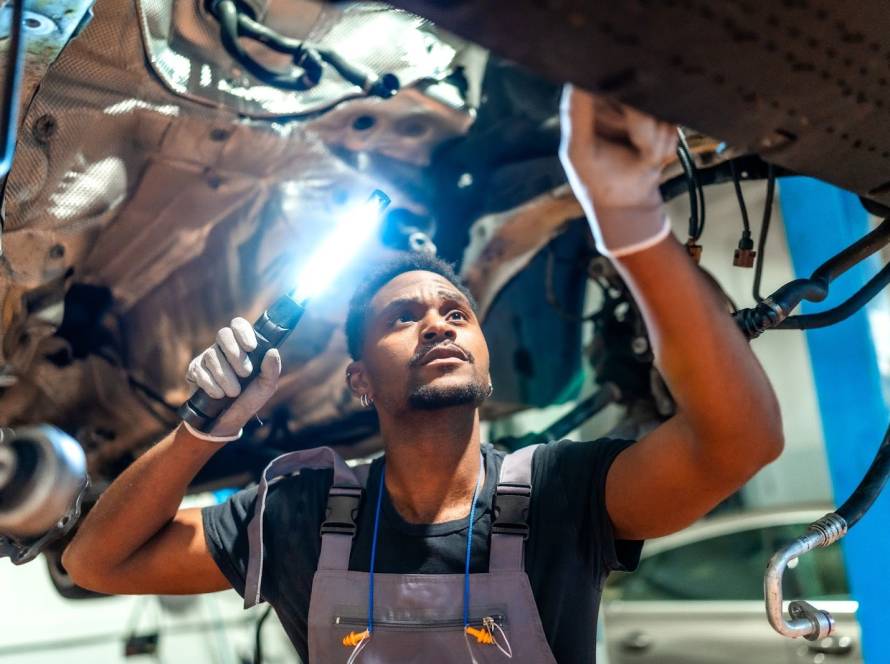
Owning a car offers convenience, but it also requires consistent care to remain reliable. Many drivers notice small issues yet delay action until problems become harder to manage. Auto repair services help resolve these concerns while keeping vehicles safe and efficient. Clear knowledge about common repairs allows drivers to respond with confidence and avoid confusion. A better grasp of these services leads to smarter decisions and fewer unexpected setbacks.
Auto Repair Services Overview Basics
Auto repair services are professional services that fix faults affecting a vehicle’s performance and safety. These services address problems that appear over time or develop suddenly during daily use. Drivers often rely on repair shops to diagnose, repair, and restore proper function across multiple systems. A clear understanding of these services helps drivers respond quickly when issues arise.
What Auto Repair Services Include
Auto repair services include any work that restores a vehicle’s normal operation after a fault occurs. Mechanics handle issues related to engines, brakes, electrical systems, and other core components. Unlike routine maintenance, repairs focus on correcting problems that already affect performance. These services often involve replacing worn parts, adjusting systems, or resolving hidden faults. This broad scope allows technicians to handle both minor concerns and complex mechanical failures. Based on industry repair data, most service visits involve a mix of diagnostics and part replacement.
Repair vs Maintenance Differences
Repair services fix existing issues, while maintenance focuses on preventing them from developing. Maintenance includes tasks like oil changes and tire rotations that keep systems running smoothly. Repairs begin when a component fails or shows clear signs of malfunction. This distinction helps drivers plan service schedules and manage costs more effectively. Mechanics often recommend maintenance to reduce the risk of future repairs. This approach supports long-term vehicle reliability and reduces unexpected breakdowns.
Common Auto Repair Services You Should Know
Vehicles wear out different systems over time, leading to a range of repair needs. Drivers often encounter recurring issues that mechanics deal with daily. Understanding these common services helps you recognize problems before they worsen. Better awareness of these repairs prepares you to make informed decisions when your vehicle needs professional attention.
Engine Systems and Diagnostics Guide
Engine systems control how your vehicle generates power and maintains efficiency during operation. These systems rely on multiple components working together under precise timing and conditions. Drivers often notice performance changes as engine-related issues develop. Understanding these systems helps you respond quickly and avoid deeper mechanical problems.
Engine Diagnostics and Warning Signs
Engine diagnostics involve scanning the vehicle’s systems to detect faults that affect performance. Mechanics use specialized tools to read error codes generated by onboard computers. These codes indicate issues with fuel systems, ignition components, or emissions controls. Drivers may notice warning lights, unusual noises, or decreased power during operation. This process helps technicians identify the exact cause without guesswork. Accurate diagnostics reduce unnecessary repairs and save time during service visits.
Oil Change and Fluid Services
Oil change services maintain engine lubrication and reduce internal wear. Engine oil breaks down over time and loses its ability to protect moving parts. Mechanics replace old oil and inspect fluid levels during service appointments. This process includes checking coolant, brake fluid, and transmission fluid levels. Proper fluid condition supports temperature control and smooth operation. Regular service intervals help extend engine lifespan and maintain efficiency.
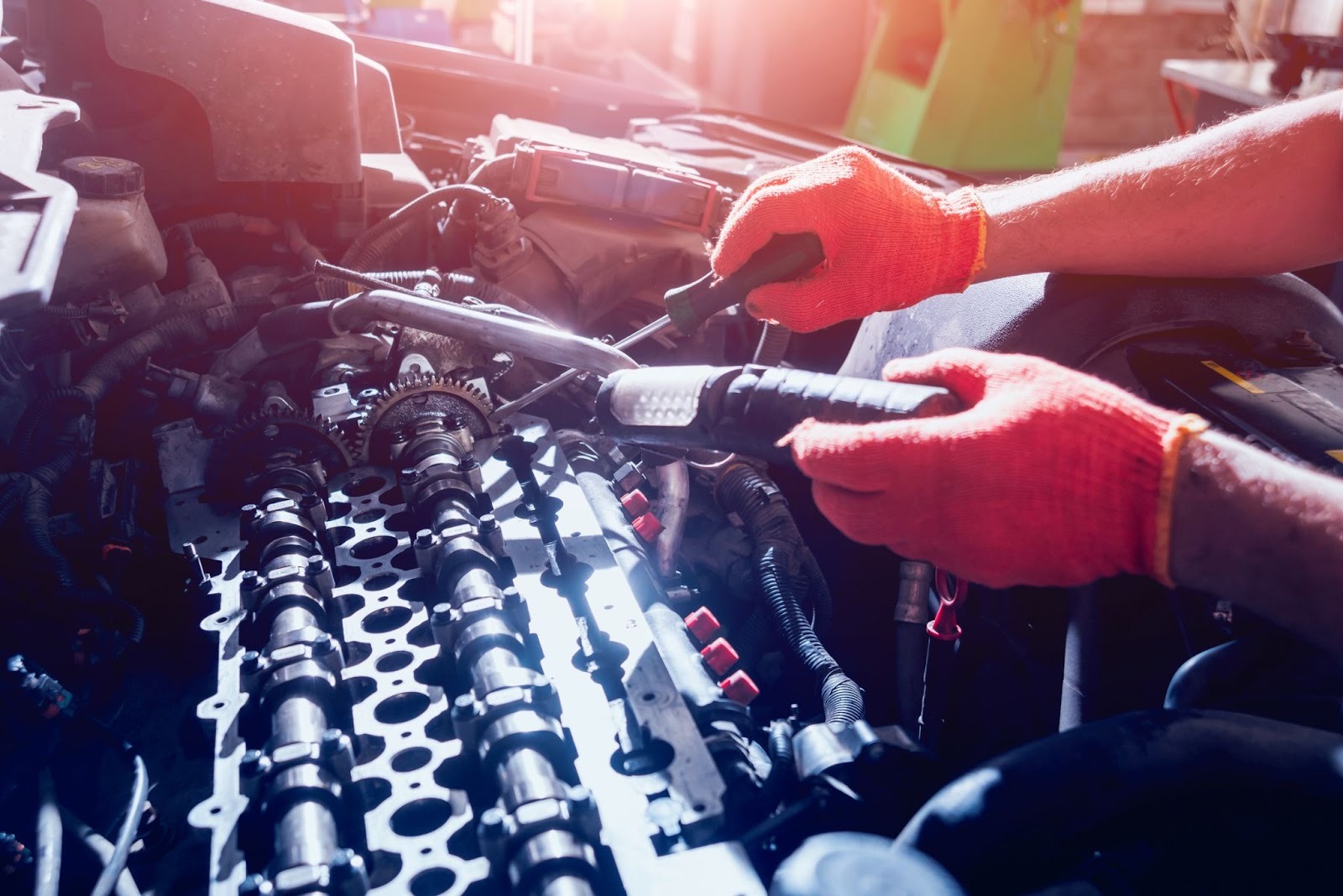
Spark Plug and Timing Repairs
Spark plug repairs restore proper ignition within the engine’s combustion process. Worn plugs can cause misfires, reduced efficiency, and uneven engine performance. Timing components control how engine parts move in sync during operation. This system includes belts or chains that require periodic inspection and replacement. Mechanics replace worn components to prevent serious engine damage. Timely repairs keep the engine running smoothly and reduce long-term costs.
Brake System Care and Safety Checks
Brake systems allow drivers to control speed and bring the vehicle to a safe stop. These systems experience constant wear due to regular driving conditions. Drivers often notice reduced responsiveness or unusual sounds when problems develop. Understanding brake system care helps maintain safety on every trip.
Brake Pad and Rotor Replacement
Brake pad replacement restores the friction needed to effectively slow and stop the vehicle. Pads wear down over time due to constant contact with rotating discs. Drivers may hear squeaking or grinding when pads become too thin. Rotors can also wear unevenly, affecting braking smoothness and performance. Mechanics replace these components to maintain consistent stopping ability. This service helps protect other brake parts from additional damage.
Brake Fluid and System Checks
Brake fluid services maintain hydraulic pressure within the braking system. Fluid absorbs moisture over time, which reduces its effectiveness during operation. Mechanics inspect the fluid condition and replace it when necessary. This process also includes checking brake lines and connections for leaks or damage. Reliable fluid performance supports consistent braking response in all conditions. Regular inspections reduce the risk of sudden brake failure.
Transmission and Drivetrain Systems
Transmission and drivetrain systems transfer power from the engine to the wheels. These systems influence acceleration, shifting, and overall driving smoothness. Drivers often notice delays or unusual behavior when issues begin to appear. Understanding these systems helps maintain consistent vehicle performance.
Transmission Fluid and Gear Issues
Transmission services address issues related to gear shifting and internal component wear. The fluid in the transmission lubricates parts and supports smooth gear transitions. Low or degraded fluid can cause slipping, overheating, or rough shifting. Mechanics inspect fluid condition and recommend replacement when needed. This service helps prevent further internal damage and costly repairs. Consistent care extends the lifespan of the transmission system.
Clutch and Gearbox Repairs
Clutch services restore proper engagement between the engine and transmission in manual vehicles. A worn clutch may slip, making it harder to shift gears smoothly. Gearboxes can also develop wear, affecting performance and noise levels. Mechanics inspect these components to identify worn or damaged parts. This process often involves adjustments or part replacements to restore function. Proper repairs improve driving comfort and control.
Vehicle Electrical Systems and Components
Electrical systems power essential functions and support modern vehicle features. These systems control starting, lighting, and onboard electronics during operation. Drivers may experience sudden failures when electrical components malfunction. Understanding these systems helps identify issues before they affect multiple areas.
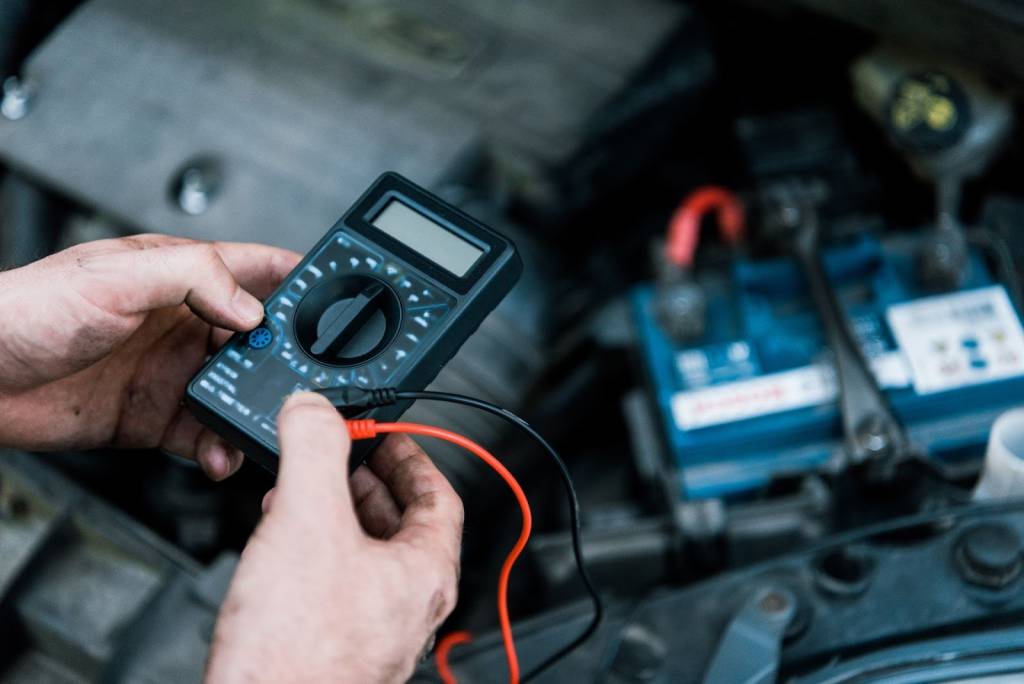
Battery Testing and Replacement
Battery services focus on maintaining reliable power for starting and electrical systems. Batteries lose strength over time and may fail without warning. Drivers often notice slow engine starts or dim lights when problems develop. Mechanics test battery capacity and charging performance during inspections. This process helps determine if replacement is necessary. Regular testing reduces the risk of unexpected breakdowns.
Alternator and Starter Repairs
Alternator services restore the system that charges the battery during operation. A failing alternator can cause electrical systems to gradually lose power. The starter motor initiates engine operation and must function reliably each time. Drivers may experience clicking sounds or failure to start when issues arise. Mechanics diagnose these components using specialized tools and tests. Proper repairs restore consistent electrical performance.
Wiring and Electrical Fault Repairs
Wiring services address faults that disrupt communication between vehicle systems. Damaged wires can cause intermittent failures or complete system shutdowns. Mechanics inspect connections, insulation, and circuits for signs of wear. This process requires careful testing to identify hidden issues accurately. Electrical faults can affect sensors, lighting, and onboard controls. Correct repairs restore stable system operation across the vehicle.
Suspension and Steering System Care
Suspension and steering systems affect handling, comfort, and vehicle control. These components absorb road impact and guide vehicle direction during movement. Wear over time can reduce stability and driving comfort. Understanding these systems helps maintain smooth and controlled driving.
Shock and Strut Replacement
Shock and strut services restore stability by controlling movement over uneven surfaces. Worn components can cause excessive bouncing and reduced traction. Drivers may notice uneven tire wear or poor handling during turns. Mechanics replace shocks and struts to improve ride quality and control. This service helps maintain consistent contact between tires and the road. Proper suspension improves both safety and comfort.
Wheel Alignment and Steering Fixes
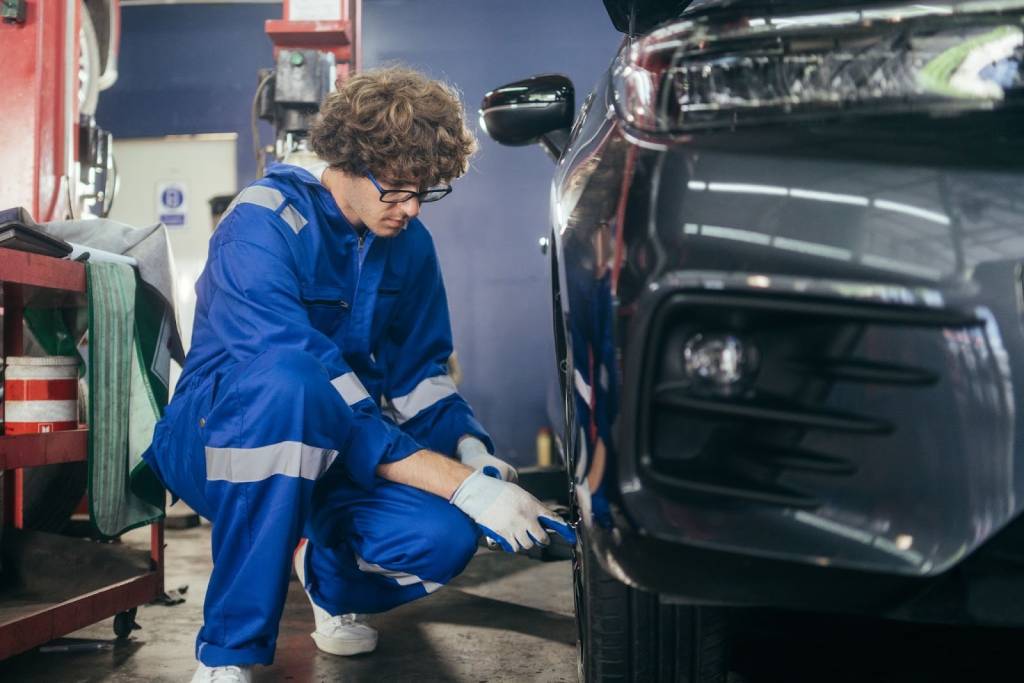
Wheel alignment services adjust tire alignment to improve handling and reduce uneven tire wear. Misaligned wheels can cause pulling and reduced control during driving. Steering systems may also develop wear, affecting responsiveness. Mechanics adjust alignment and repair steering components when necessary. This process improves driving comfort and extends tire lifespan. Accurate alignment supports stable and predictable vehicle movement.
Cooling and Air Conditioning Systems
Cooling and air conditioning systems regulate engine temperature and cabin comfort. These systems work together to prevent overheating and maintain a stable environment. Drivers may notice performance issues or discomfort when problems occur. Understanding these systems helps maintain reliable operation.
Radiator and Cooling System Repairs
Cooling system services regulate engine temperature by circulating coolant. The radiator releases heat while the coolant absorbs excess heat from the engine. Leaks or blockages can cause overheating and engine damage. Mechanics inspect hoses, pumps, and the radiator for faults. This process helps maintain stable operating temperatures during driving. Proper cooling system care prevents costly engine issues.
Air Conditioning Repair Services
Air conditioning services restore cabin cooling and airflow performance. Low refrigerant levels can reduce system efficiency and comfort. Drivers may notice weak airflow or warm air from vents. Mechanics check for leaks and recharge refrigerant as needed. This process also includes inspecting compressors and related components. Reliable AC performance improves comfort in varying weather conditions.
Tire and Wheel Maintenance Guide
Tires and wheels support traction, stability, and overall driving performance. These components connect the vehicle directly to the road surface. Wear and imbalance can reduce efficiency and comfort over time. Understanding proper care helps maintain safe and smooth driving conditions.
Tire Rotation and Replacement
Tire services include rotation and replacement to distribute wear evenly. Rotation helps extend tire lifespan by distributing usage across all tires. Drivers should follow recommended intervals for consistent performance. Worn tires require replacement to maintain traction and safety. Mechanics help select appropriate tire types based on driving needs. Proper tire care improves fuel efficiency and handling.
Wheel Balancing and Pressure Checks
Wheel balancing services correct uneven weight distribution that causes vibration. Imbalanced wheels can lead to uneven tire wear and reduced comfort. Mechanics use specialized equipment to accurately adjust the balance. This process improves stability during driving at various speeds. Tire pressure checks also support performance and fuel efficiency. Proper pressure levels help maintain safe and efficient vehicle operation.
Keep Your Vehicle Reliable With Auto Repair Services
Auto repair services help you maintain consistent performance and avoid sudden disruptions on the road. Small warning signs often point to issues that can worsen without timely attention. This habit of staying alert allows you to address problems before they affect safety or daily use. Build a routine around regular inspections and prompt repairs so your vehicle stays dependable in every situation.
Get straightforward answers to your car concerns. Head over to the Monkey’s RV & Auto Repair blog and learn from experienced professionals.