Unexpected car repairs often disrupt daily routines and stretch household budgets. Exhaust system issues usually start quietly but grow into costly problems when ignored. Drivers often feel uncertain about pricing because estimates vary across shops and vehicle types. Clear information about auto exhaust repair helps remove confusion and supports better decisions. Knowing what affects cost gives drivers confidence when facing repair needs.
Exhaust Repair Cost Basics
Auto exhaust repair costs depend on parts, labor, and the severity of the damage. These cost factors vary widely because exhaust systems differ across vehicles and driving conditions. Many repairs begin as minor issues but become more expensive when damage spreads. Understanding cost basics helps drivers recognize fair pricing and avoid unnecessary expenses.
Exhaust System Parts and Functions
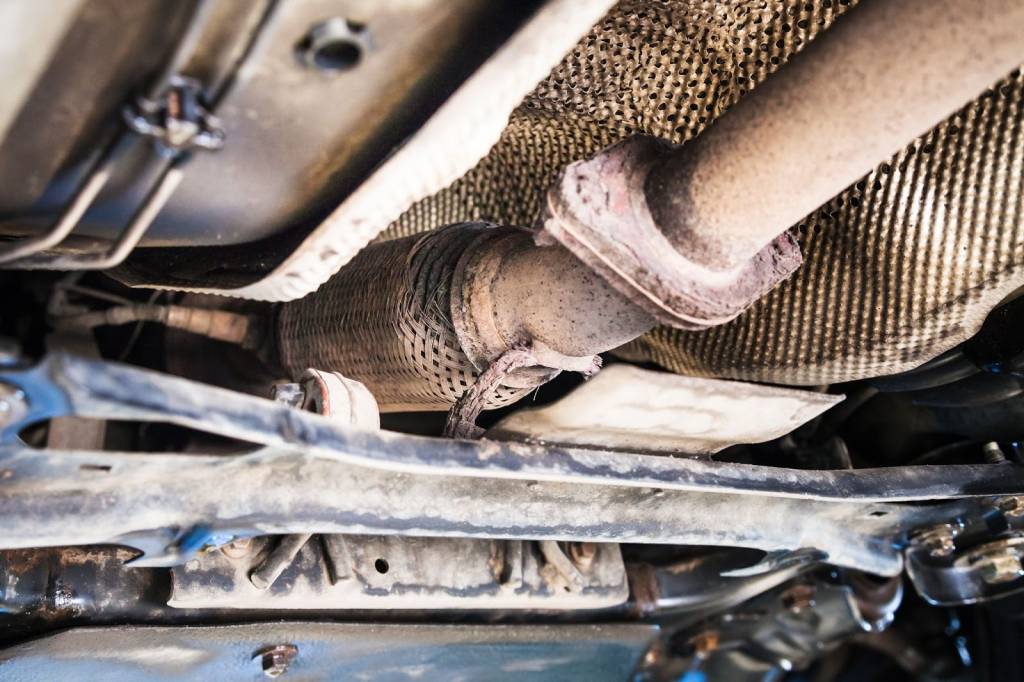
An exhaust system directs harmful gases away from the engine while reducing noise. This system includes the manifold, catalytic converter, muffler, and connecting pipes, all of which work together. The manifold collects gases from the engine, while the catalytic converter reduces pollutants before they are released. The muffler reduces noise, making driving quieter and more comfortable. Damage to any part can disrupt performance and increase emissions output. This system design means that a single failing component can affect the entire repair cost.
Signs Your Exhaust Needs Repair
Clear warning signs often indicate the need for auto exhaust repair. This condition usually starts with loud noises, such as rattling or deep rumbling sounds. Reduced fuel efficiency may follow as the engine struggles with improper airflow. Strong exhaust smells inside the cabin signal leaks that require immediate attention. The check engine light may also appear when emissions levels rise. This warning pattern helps drivers act before repair costs increase further.
Why Early Diagnosis Reduces Costs
Identifying exhaust issues early helps limit repair expenses and prevent further damage. This approach allows mechanics to fix small leaks before they spread across components. Minor problems often require simple repairs that cost less and take less time. Delayed diagnosis can lead to corrosion and structural damage that require replacement. Mechanics may also uncover hidden issues that increase total costs. This proactive step helps drivers maintain control over repair budgets.
Average Auto Exhaust Repair Costs
Auto exhaust repair costs usually range from low-cost fixes to higher-priced replacements. These price ranges depend on the damaged component and the labor required for access. Many drivers encounter moderate expenses for simple repairs but face higher costs for complex issues. Knowing average pricing helps drivers prepare and compare service quotes confidently.
Common Repair Price Ranges
Typical exhaust repair costs vary depending on the part involved and the level of damage. This pricing often puts minor pipe repairs at $100 to $300. Muffler replacement usually costs between $150 and $600, depending on material quality. Catalytic converter replacement can reach $800 to $2,500 due to its advanced design. Luxury vehicles often push these costs higher because parts are less common. This pricing overview helps drivers understand what to expect before visiting a repair shop.
Labor Costs and Repair Time
Labor costs for auto exhaust repair depend on shop rates and the complexity of the repair. This pricing typically ranges from $75 to $150 per hour in most regions. Simple fixes may take under an hour, which keeps total costs lower. Complex repairs often require several hours because mechanics must access hidden components. Shops in urban areas may charge more due to higher operating costs. This labor factor plays a strong role in the final repair bill.
Cost Differences by Repair Type
Different exhaust repairs carry varying costs based on complexity and parts involved. This variation shows how simple fixes remain affordable compared to full system replacements. Pipe repairs and clamp fixes usually fall on the lower end of the pricing scale. Muffler and resonator replacements often sit in the mid-range category. Catalytic converter repairs remain among the most expensive due to the materials and regulations involved. This breakdown helps drivers better estimate costs based on their specific issue.
Factors That Affect Exhaust Repair Cost
Auto exhaust repair pricing changes based on several practical factors. These variables include vehicle type, damage level, and location of the repair shop. Many drivers notice price differences even for similar repairs across different providers. Understanding these influences helps drivers make informed decisions and avoid unexpected charges.
Vehicle Type and Model Impact
Vehicle type directly affects exhaust repair costs, as design and part availability vary by vehicle. This factor often makes economy cars cheaper to repair because parts are widely available. Luxury and imported vehicles usually require specialized components that cost more. Complex exhaust layouts can also increase labor time during repairs. Mechanics may need additional tools or expertise for certain models. This variation explains why repair quotes differ across vehicle types.
Damage Level and Hidden Issues
Damage severity plays a strong role in determining repair costs. This condition may start as a small leak but expand into widespread corrosion over time. Mechanics often discover hidden damage during inspection, which increases total expenses. Rust can weaken pipes and require full replacement instead of simple repair. Minor damage usually costs less when addressed before it spreads. This progression shows why delaying repairs leads to higher costs.
Location and Shop Pricing Differences
Repair shop pricing varies based on geographic location and service type. This factor often results in higher labor rates in cities compared to smaller towns. Dealerships may charge more due to specialized tools and brand expertise. Independent shops often offer more flexible pricing and competitive rates. Comparing multiple estimates helps drivers find fair pricing for their needs. This approach improves decision-making and reduces the chance of overpaying.
Repair vs Replacement Cost Comparison
Repair and replacement options differ in cost and long-term value. These choices depend on the condition of the exhaust system and the extent of damage. Some issues respond well to simple fixes, while others require full replacement. Understanding this difference helps drivers avoid repeated expenses and choose practical solutions.
When Repairs Are Enough
Simple repairs work best when damage remains limited and localized. This situation often includes small leaks or loose connections in exhaust pipes. Mechanics may use welding or sealants to quickly restore proper function. These repairs usually cost less and take less time to complete. Addressing issues at this stage helps extend the lifespan of components. This repair approach offers a cost-effective solution for minor problems.
When Replacement Becomes Necessary
Replacement becomes necessary when parts suffer extensive damage or corrosion. This condition often affects mufflers and catalytic converters over time. Repairs may no longer hold because materials weaken over time. Replacing damaged components provides better durability and performance. Although costs increase upfront, replacement reduces the need for repeated repair visits. This decision supports long-term savings and reliability.
Long-Term Cost Considerations
Long-term costs depend on how repairs or replacements affect future maintenance needs. This perspective shows that repeated small repairs can add up over time. Investing in replacement may reduce recurring issues and provide better durability. Drivers should consider how often repairs may be needed after a temporary fix. Quality parts and proper installation also influence long-term performance. This evaluation helps drivers choose options that balance upfront cost and future savings.
How to Lower Exhaust Repair Costs
Lowering auto exhaust repair costs involves smart maintenance and informed decisions. These strategies help prevent damage and reduce the need for expensive repairs. Many drivers overlook simple habits that protect exhaust components over time. Consistent care can make a noticeable difference in long-term repair expenses.
Practice Preventive Maintenance
Regular maintenance helps detect exhaust problems before they worsen. This habit includes checking for unusual sounds or vibrations during driving. Keeping the vehicle clean underneath helps prevent rust buildup. Smooth driving over uneven roads reduces stress on exhaust components. Routine servicing supports overall engine performance and exhaust efficiency. This maintenance approach helps extend the system’s lifespan and lower repair costs.
Choose the Right Repair Shop
Choosing a reliable auto repair shop helps control costs and improve service quality. This decision involves comparing quotes from different providers before committing. Reading customer reviews gives insight into pricing fairness and craftsmanship. Asking detailed questions helps clarify what each estimate includes. Some shops may suggest unnecessary repairs. This careful selection process helps drivers avoid unnecessary expenses.
Use Quality Parts for Better Value
Using quality parts helps reduce repeat repairs and improve exhaust system durability. This choice often results in higher upfront costs but better long-term performance. Low-quality parts may fail sooner and require frequent replacement. Mechanics often recommend trusted brands that meet performance standards. Proper installation also plays a role in how long parts last. This investment helps drivers avoid repeated repair expenses over time.
Why Exhaust Repair Costs Increase Over Time
Auto exhaust repair costs often rise when problems go unresolved. These issues spread across multiple components within the system. Small faults can lead to larger damage that requires extensive repairs. Understanding this pattern helps drivers take timely action and control expenses.
Damage Spreads Across Components
Exhaust damage rarely stays confined to a single part of the system. This condition allows heat and pressure to affect nearby components over time. Cracks and corrosion can develop as gases escape from damaged areas. Engine performance may decline as exhaust flow becomes restricted. Fuel consumption often increases due to reduced efficiency. This chain reaction leads to higher repair costs as damage expands.
Safety and Legal Risks Involved
Faulty exhaust systems can expose drivers and passengers to harmful gases. This risk includes carbon monoxide entering the cabin during operation. Vehicles with damaged exhaust systems may fail emissions testing requirements. Drivers may face fines or restrictions if their vehicles do not meet regulations. Repairing exhaust issues supports safer driving conditions and legal compliance. This responsibility protects both personal health and the environment.
Impact on Fuel Efficiency and Engine Health
Exhaust issues can reduce engine efficiency and increase fuel consumption over time. This condition disrupts airflow, causing the engine to work harder than necessary. Poor exhaust flow can also lead to overheating and additional engine strain. Drivers may notice reduced acceleration and a decline in overall performance. Increased fuel use adds ongoing costs beyond repair expenses. This effect shows how exhaust problems influence both performance and operating costs.
Manage Auto Exhaust Repair Costs Wisely
Auto exhaust repair costs stay manageable when drivers respond to warning signs without hesitation. Small issues often signal deeper problems that grow more expensive over time. Choosing a trusted repair shop and addressing concerns promptly helps maintain both safety and performance. A well-maintained exhaust system supports cleaner emissions, better fuel use, and fewer unexpected expenses. Smart decisions today help keep repair costs predictable and your vehicle running reliably.
Get practical insights and real-world repair guidance at the Monkey’s RV & Auto Repair blog, where every article helps you make smarter vehicle decisions.