
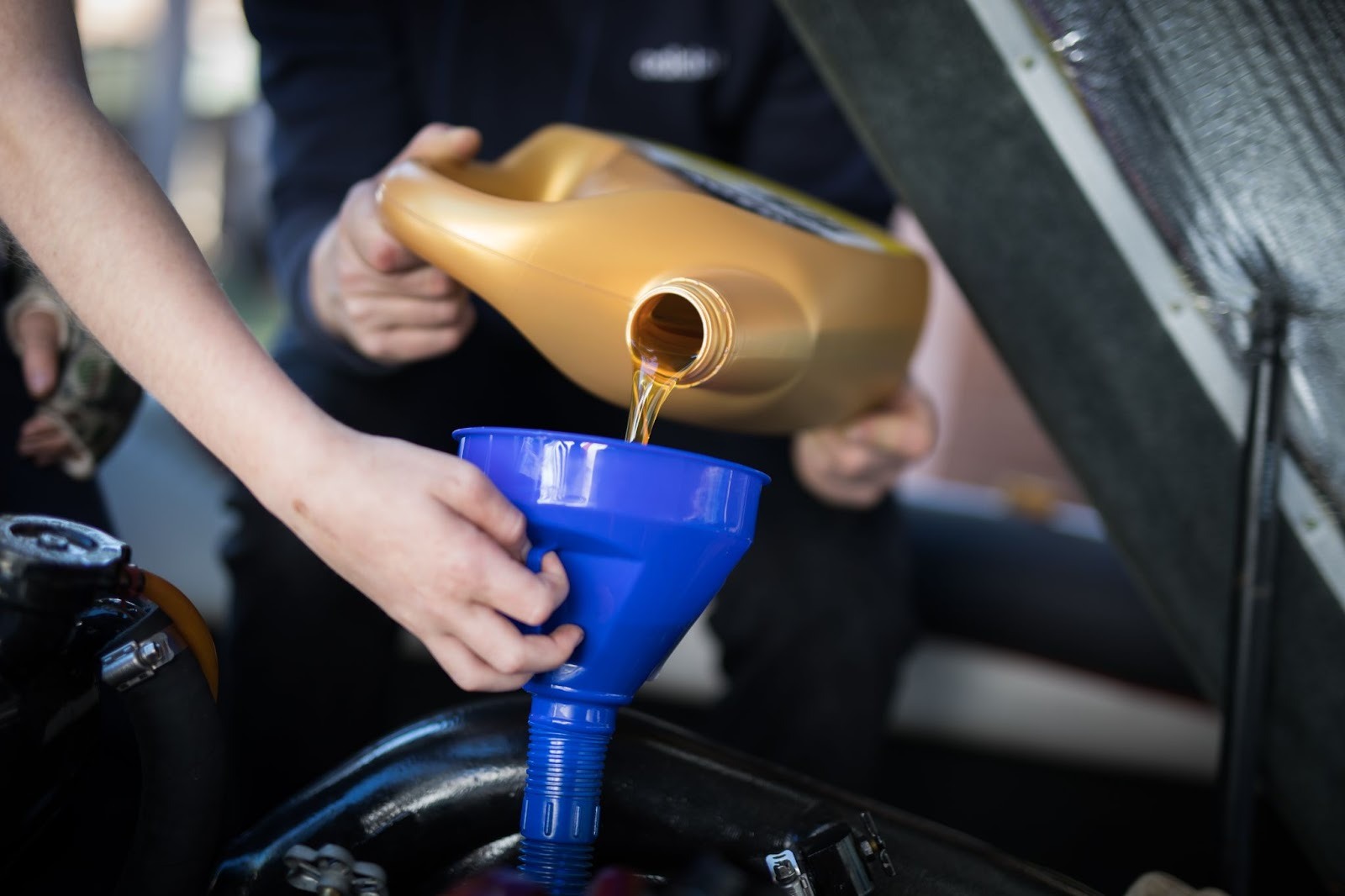
Regular oil changes do more than maintain your vehicle; they directly impactengine performance, reliability, and lifespan. Yet many drivers still rely on outdated advice or vague assumptions when deciding how often to change it. The truth is, oil change intervals can vary widely depending on your vehicle, driving habits, and the type of oil used. With today’s advanced engines and synthetic lubricants, one-size-fits-all schedules no longer apply. Staying informed means making more intelligent decisions that protect your investment and avoid unnecessary costs.
What Oil Change Intervals Mean for Your Engine
Oil keeps your engine running clean and smooth. It reduces friction, carries away heat, and helps prevent buildup. Without clean oil, your engine wears down faster. Understanding what drives oil change intervals enables you to avoid assumptions and make wiser, vehicle-specific decisions.
Why Engine Oil Needs Replacing Over Time
Even high-quality oil has a lifespan. As the miles add up, oil collects dirt, fuel residue, and microscopic metal particles. Heat also breaks down its protective properties. Eventually, it loses the ability to coat and cool moving parts. That’s when wear starts to increase and your engine becomes more vulnerable.
How Oil Intervals Changed With Engine Technology
The old 3,000-mile rule no longer fits today’s engines. Older engines ran hotter and used lower-grade oil, which degraded faster. Now, most cars are designed for synthetic blends and tighter tolerances. Many vehicles can safely reach 7,500 to 10,000 miles between changes. Updated engineering means longer intervals, but only with the right oil.
Why Your Owner’s Manual Still Sets the Standard
No chart or app knows your engine better than the manual—manufacturers base oil change intervals on lab testing, road simulations, and climate performance. The manual also accounts for the type of oil and engine load. Following this, you will have a schedule that protects performance and prevents over-servicing. It’s the most precise guide you have.
How Driving Habits Affect Oil Change Frequency
Not every driver fits into the same category. Some face harsh road conditions, while others enjoy smoother driving routines. These habits significantly impact how often oil should be changed, and ignoring them can reduce engine life.
City Driving Wears Down Oil Faster
Frequent short trips prevent your engine from reaching its full operating temperature, allowing moisture and fuel to accumulate in the oil. Stop-and-go traffic also increases engine stress. Oil degrades more rapidly under these conditions, especially in colder regions. City drivers should check their oil more often than highway commuters.
Steady Highway Driving Extends Oil Life
Engines perform more efficiently when they operate at a consistent speed. Highway driving keeps oil cleaner for extended periods. Long drives help the engine warm up thoroughly and burn off contaminants, allowing the oil to last closer to the upper limit of its range. Those who drive primarily on highways can safely stretch their change intervals.
Tough Driving Conditions Demand Shorter Intervals
Heavy loads and extreme weather create intense engine stress. Towing trailers or driving in desert heat breaks down oil quickly. Dusty roads also increase the chance of contamination. Under these conditions, frequent changes become a necessity, not an option. Specialized oils may help, but intervals will still be shorter.
How Often Should You Change Oil for Each Vehicle Type?
Vehicle type plays a significant role in determining the optimal oil change timing. A compact car doesn’t require the same level of care as a diesel truck. Likewise, hybrid and electric systems follow unique standards. Knowing your vehicle’s category can prevent costly mistakes.
Gasoline Engines
Most gasoline-powered vehicles use conventional or synthetic blends. Traditional oil needs to be changed every 3,000 to 5,000 miles, while synthetic oil can stretch that to 7,500 miles or more. However, the exact interval varies based on driving habits and conditions. It is best to always cross-reference the oil type with your vehicle’s specific recommendation.
Diesel Engines
Diesel vehicles operate under higher pressure and temperature. Their engines are tougher but also more demanding on oil. Most diesel cars and trucks require oil changes between 5,000 and 7,500 miles, and turbocharged models may need attention even sooner. Clean oil is crucial for maintaining the longevity of diesel engines.
Hybrids and Electric Vehicles
Hybrids still have combustion engines, so they require oil as well. However, the oil degrades more slowly since the gas engine runs less often. Oil changes might be spaced out longer, but must follow the manufacturer’s timelines. For full electric vehicles, oil isn’t part of the equation. Instead, maintenance focuses on battery health and brake wear.
Conventional Oil vs. Synthetic Oil Change Timing
Oil formulations differ in base stock, additives, and thermal stability. Conventional oil comes from crude, while synthetic oil is engineered. These differences affect both the duration and the effectiveness of their performance. Knowing what’s under your hood matters.
How Conventional and Synthetic Oils Compare
Conventional oil is cheaper but breaks down faster. It contains impurities and offers less protection under stress. Synthetic oil is cleaner and flows more smoothly at both low and high temperatures. It also resists breakdown and the formation of sludge. Synthetic oil is often the better choice for drivers who push their vehicles to the limit.
Longevity and Performance
Synthetic oil can last almost twice as long as conventional oil. That doesn’t mean you should wait forever to make a change. It still collects dirt and particles over time. However, it holds its properties longer under strain. If you drive long distances or in harsh climates, synthetic oil helps your engine stay cleaner.
Price vs. Value Over Time
Synthetic oil costs more up front. However, fewer oil changes result in lower maintenance costs over time. You also avoid repairs tied to poor lubrication. The extended lifespan and better protection offset the extra cost. For many drivers, the long-term value outweighs the initial expense.
Knowing When It’s Time for an Oil Change
Some drivers ignore oil changes until problems surface, while others stick to a rigid schedule. But knowing the real signals can help you stay ahead. Pay attention to more than just the odometer.
Mileage and Time Limits
Mileage is the most common measure for oil changes, but time is also a factor. Even if a car sits idle, oil can degrade. Most mechanics suggest changing oil at least once or twice a year. That keeps the engine clean, even in low-mileage vehicles.
Dashboard Warnings and Engine Noises
Modern cars have sensors that monitor the condition of the oil. A warning light or message can signal it’s time to change the oil. Ignoring it risks damaging the engine. Strange knocking or rough idling may also suggest the oil is dirty. If your engine sounds off, don’t wait to check.

Checking Oil Condition Yourself
You don’t need to be a mechanic to inspect your oil. Use the dipstick after the car cools down. Fresh oil is amber-colored and slightly transparent. Dark, gritty, or sludgy oil signals it’s time for a change. Checking your engine monthly gives you more control over its health.
Oil Change Habits for a Longer-Lasting Engine
Consistent oil change habits protect more than just your engine; they protect your wallet and your vehicle’s future performance. Refining how and when you change your oil reduces wear and avoids preventable issues. Many drivers mean well but miss easy improvements in their routine. Adopting the proper habits now makes your engine smoother and more efficient in the long run.
Follow Your Vehicle’s Oil Schedule
Some drivers still follow outdated rules, such as the 3,000-mile change. But modern engines and oils don’t follow a one-size-fits-all schedule. Manufacturer recommendations are based on engine design, oil type, and test data. Trusting your manual gives your vehicle what it needs. It’s one of the simplest ways to avoid waste and protect your engine.
Adjust Oil Changes Based on Driving Conditions
Not all driving wears oil the same way. Stop-and-go traffic, dirt roads, and short trips break oil down faster. If you drive under stress more often, follow a shorter interval. On the other hand, consistent highway driving allows longer gaps between changes. Knowing how your routine affects your oil helps fine-tune your schedule.
Check Your Oil Level and Condition Regularly
Even with a perfect schedule, engines can burn or leak oil. Waiting until the following schedule may be too late. Checking your oil monthly gives you control between service visits. Look for low levels, dirty color, or odd texture. Staying alert helps prevent unseen damage from creeping up.
The Cost of Delaying an Oil Change
Putting off an oil change is harmless, especially if the car runs fine. However, the damage builds quietly, and the long-term impact can be expensive. Delays strain engine parts, reduce efficiency, and lower resale value. What seems like a small wait can lead to larger problems.
Engine Wear Increases With Every Missed Interval
Oil breaks down over time and loses its ability to lubricate. Without proper lubrication, mechanical parts grind against each other, speeding up wear on pistons, bearings, and valves. Even one skipped change can increase internal damage. Over time, repairs from neglected oil can exceed the cost of a new engine.
Sludge Buildup Leads to Restricted Flow
Old, degraded oil turns thick and sticky, eventually forming sludge. Sludge blocks oil passages, causing vital parts to run dry. Once it forms, cleaning it out requires professional service or even engine disassembly. It’s one of the most damaging effects of overdue changes. Preventing sludge is always cheaper than removing it.
Delayed Changes Can Ruin Fuel Economy
Oil that’s too thick or dirty increases engine resistance. That extra drag means your engine has to work harder to perform the same tasks. As a result, it burns more fuel than necessary. Many drivers don’t connect poor fuel mileage with old oil. But keeping oil fresh is one of the easiest ways to support better efficiency.
Your Vehicle’s Resale Value May Take a Hit
Buyers and dealerships look at maintenance records before making an offer. A spotty oil change history raises concerns about deeper engine issues. Even if your car runs fine, signs of neglect can lower trade-in value. Consistent oil changes help build trust in your vehicle’s condition. It’s a small habit that adds long-term value to your property’s resale.
Protect Your Engine With Smarter Oil Change Habits
Delaying oil changes does more than risk your engine; it erodes your vehicle’s long-term reliability. Smarter habits aren’t about doing more; they’re about doing what’s right for your vehicle. Start by checking your oil, reviewing your owner’s manual, and adjusting your schedule to match your driving habits. Small, consistent actions today can prevent big problems tomorrow. Your engine’s health depends on what you choose to do now.
Stay informed, drive smarter. Visit the Monkey’s RV & Auto Repair blog for more maintenance guides, oil change tips, and service know-how.