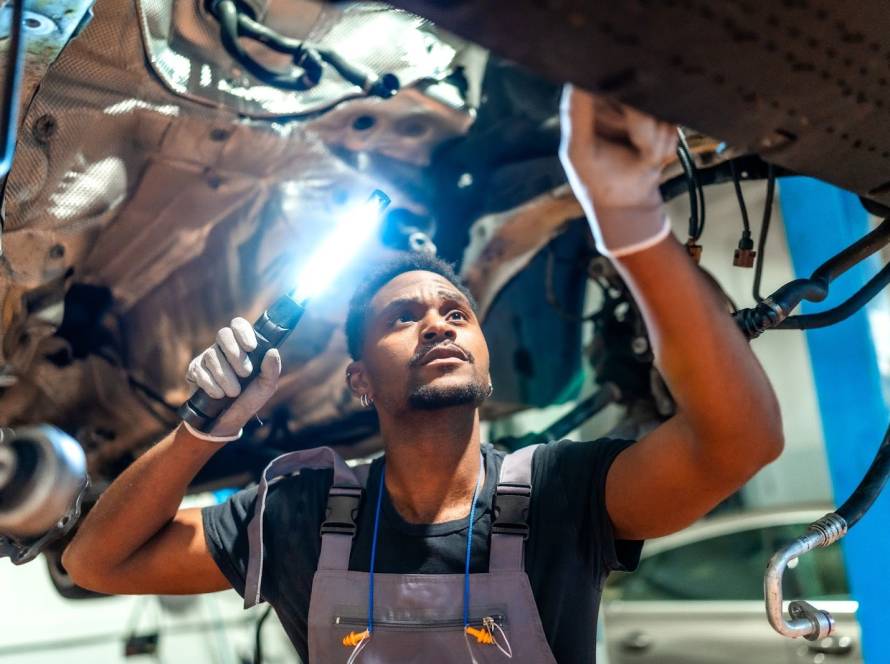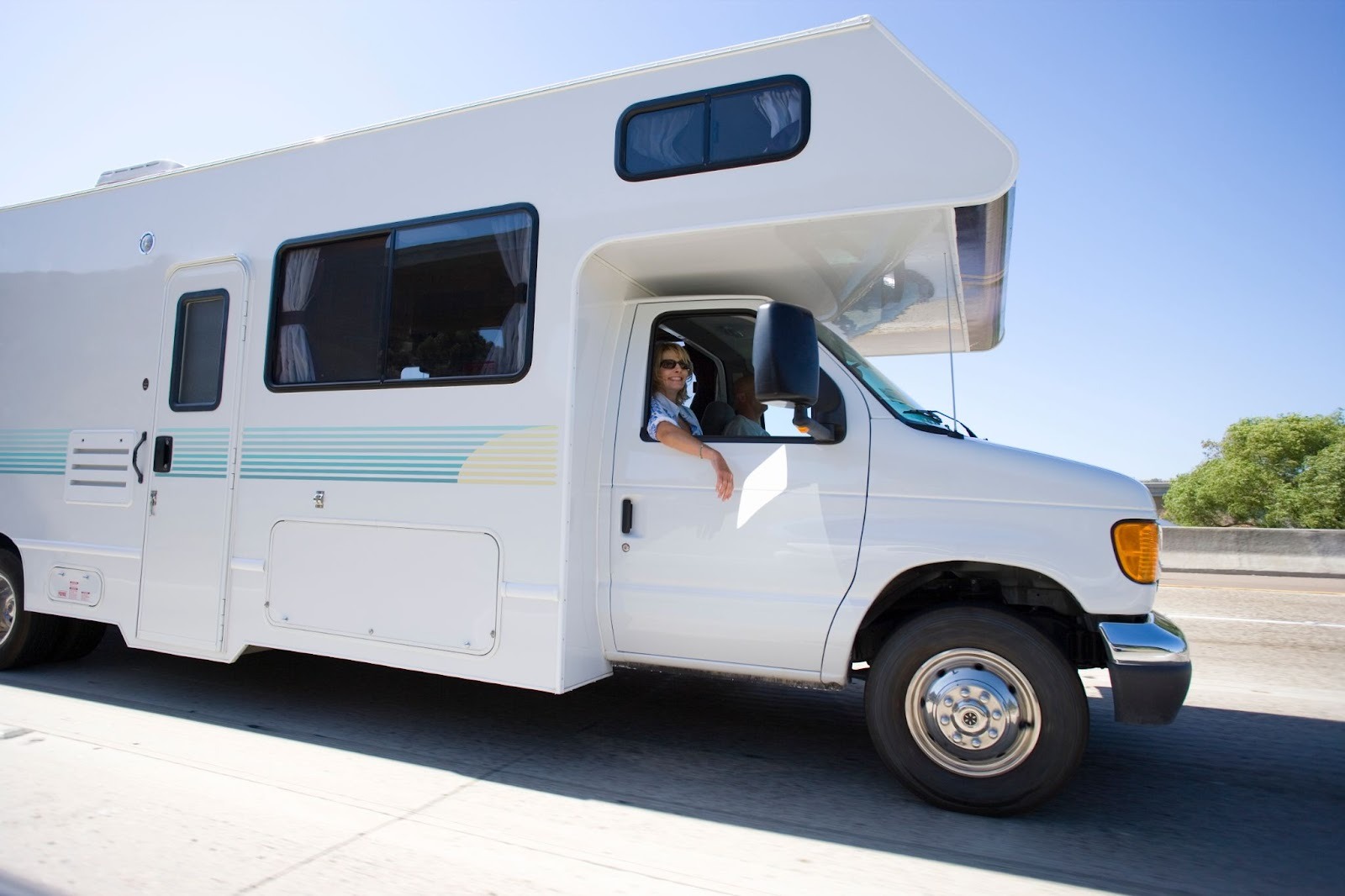
RV owners value smooth travel, steady comfort, and safe handling. Long roads test systems that work hard in shifting heat, rain, and terrain, which naturally leads to stress on key components. As the miles build, minor issues surface and disrupt the pace of a trip, creating moments that call for skilled attention. Drivers look for clear guidance when this happens, because fast answers ease frustration and protect their plans. Trusted technicians step in with the expertise that restores confidence before the next journey begins.
Common RV Repair Needs Explained
Common RV repair needs arise from heat, vibration, and long road exposure. Problems appear as odd sounds, weak airflow, or minor leaks that hint at more serious damage. Owners want clear answers without technical confusion that slows decisions. Skilled technicians study these symptoms and identify the direct source of trouble.
Early RV Warning Signs to Watch For
Early RV warning signs show up as sounds, smells, or dim lights during trips. Small performance shifts may indicate stress on wiring, motors, or pumps operating under constant load. Drivers may hear rattles during acceleration or notice new moisture in cabinets after light rain. These minor issues guide technicians toward deeper system checks. Specialists study these patterns and identify parts that strain under pressure. Their careful inspections prevent hidden damage from spreading further. Their work builds trust by keeping problems manageable.
Why Professional RV Diagnostics Help
Professional RV diagnostics give owners clear guidance and trusted direction. Technicians use meters, scopes, and load tests to examine each system under real conditions. They follow each symptom until they locate the trustworthy source of the failure. Their process stops guesswork and protects owners from repeated breakdowns. Their knowledge cuts repair time by revealing problems that untrained eyes may miss. Their step-by-step evaluation strengthens long-term performance. Their approach helps drivers understand their RV’s health with confidence.
Frequent RV Problems That Need Expert Care
Every RV accumulates wear that manifests as minor warning signs. These issues grow when travel demands push each system harder. Owners who spot these patterns make smarter repair choices. This direction leads naturally to the core reasons technicians step in with proven solutions.
Electrical Repair Issues
RV electrical repair issues affect lighting, HVAC, appliances, and entertainment systems. Voltage drops or failed parts disrupt comfort and safety across the cabin. These failures usually start with loose wires, weak batteries, or stressed converters. Technicians fix these problems through testing, cleaning, and precise replacement.
RV Battery Troubles and Fixes
RV battery troubles begin with heat, low charge cycles, and storage that weakens capacity. Drivers notice weak interior lights, slow starts, or devices that shut off during everyday use. Batteries lose power faster when corrosion builds up on terminals or when chargers fail to cycle correctly. Technicians test each battery under load to see its true strength. They clean terminals, tighten clamps, and replace damaged cells that cannot hold power. Their work restores steady performance for long trips. Their guidance helps owners follow charging habits that protect battery life.
Fuse and Breaker Failures
RV fuse and breaker failures occur when wiring is overloaded or when appliances draw too much current. Lights flicker, outlets stop working, or appliances trip breakers during simple tasks. Drivers may also hear soft clicks as breakers reset. Technicians use circuit testers to measure flow through each line. They locate loose wires or worn sections that create erratic power drops. They replace fuses with properly rated replacements and secure each connection for stable operation. Their repairs restore smooth, predictable electrical performance.
Converter and Inverter Problems
RV converter and inverter problems show up when lights dim or appliances hum during power shifts. These units shift energy between shore power and the RV’s system, so failures spread quickly across multiple devices. Drivers may notice warm panels or sudden power dips when switching sources. Technicians check cooling fans, output levels, and board stability. They replace weak parts or install new units when internal components fail. They confirm stable voltage before releasing the RV. Their work restores the consistent flow that supports daily use.
Plumbing Repair Issues
RV plumbing repairs are often needed due to pressure changes, shifting tanks, and heat cycles that strain seals and hoses. Water leaks usually start quietly before soaking cabinets or floors. Pump issues weaken flow and create noise as strain increases. Skilled repair prevents moisture damage that can grow quickly in enclosed spaces.
Water Line Leaks
RV water line leaks start near joints, cracked fittings, or aging hoses. Drivers may find damp floors, swollen panels, or soft wood near plumbing routes. Pressure changes during travel widen small cracks into larger gaps. Technicians test lines, tighten clamps, and replace hoses that show visible wear. They upgrade connections to stronger materials for better performance. They remove damaged insulation or affected surfaces to stop mold growth. Their repairs protect the interior from long-term moisture harm.
Water Pump Failures
RV water pump failures create weak flow at sinks or showers. Pumps grow louder when internal parts strain under pressure. Drivers hear rattling noises that signal worn bearings or loose mounts. Technicians test flow rate and amp draw to evaluate pump strength. They install new diaphragms or replace complete pump assemblies. They secure mounts to reduce vibration during use. Their work restores steady water flow and quieter operation.
Water Heater Issues
RV water heater issues can result from sediment buildup, faulty thermostats, or worn heating elements. Hot water may take longer to heat or fail to heat at all. Drivers may hear popping sounds inside the tank during operation. Technicians flush the tank and test electrical or gas components with meters. They replace faulty thermostats and heating rods when they fail to maintain the temperature. They inspect valves for smooth operation and safe pressure release. Their work restores steady hot water for daily use.
Roof and Exterior Repair
RV roof and exterior repair protects the cabin from leaks, wind, and sun exposure. Roofs are subjected to pressure from heat, UV rays, and movement over rough roads. Exterior panels take hits from debris and weather shifts. Skilled repair keeps the structure strong and prevents water intrusion.
RV Roof Seal Cracks
RV roof seal cracks appear when UV rays dry the sealant and weaken the edges. Water sneaks into tiny gaps and spreads across ceilings or walls. Drivers may see stains or feel soft spots developing under the roof surface. Technicians remove the old sealant and thoroughly clean each seam. They apply fresh material that withstands sunlight and heavy rain. They reinforce the corners and vents that are under the most stress. Their sealing method restores a tight barrier against harsh weather.
Roof Membrane Tears
RV roof membrane tears occur when branches scrape the surface or when heat causes expansion. Raised seams or bubbles appear as air pockets form beneath the membrane. Moisture accumulates in these pockets, weakening the adhesive layers. Technicians patch small tears or replace whole sections as needed. They bond each layer with a strong adhesive for extended durability. They smooth surfaces to prevent new pockets from forming. Their repairs keep the RV roof stable through rough conditions.
Exterior Panel Damage
RV exterior panel damage comes from stones, storms, or tight campground spaces. Minor dents grow when moisture gathers behind damaged areas. Paint may bubble or crack as panels shift. Technicians remove dented sections or reshape panels for proper alignment. They seal the exposed backing to block moisture from entering. They finish the job with durable paint that matches the RV. Their repair restores strength and a clean appearance.
HVAC Repair Issues
RV HVAC repair issues affect cooling, heating, and airflow throughout the cabin. AC units and furnaces work hard in changing weather and constant vibration. Dirt, weak motors, and sensor problems affect performance. Technicians restore comfort with cleaning and precise replacement.
AC Cooling Loss
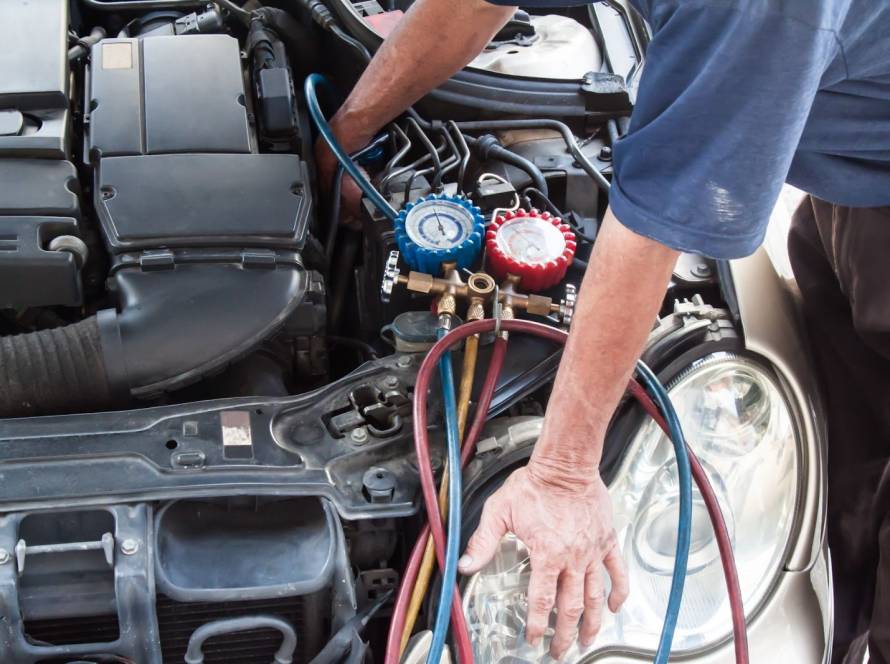
RV AC cooling loss starts when coils clog or filters fill with dust. Airflow weakens, and warm air pushes through vents during hot days. Drivers may notice uneven temperatures across the cabin. Technicians clean coils, replace filters, and test compressors. They measure refrigerant levels and refill when the pressure drops. They inspect fans for speed and response. Their work brings back strong cooling output.
Furnace Ignition Problems
RV furnace ignition problems arise when igniters fail or burners collect debris. The furnace may click repeatedly without producing heat. Drivers notice weak airflow even when the system runs. Technicians clean burners and test sensor response. They replace faulty igniters that fail to spark consistently. They adjust vents to maintain precise airflow. Their process restores steady and safe heating.
Suspension, Brake, and Tire Repair
RV suspension, brake, and tire repair improves safety and handling. Heavy loads, sharp turns, and rough roads strain these crucial systems. Worn parts cause shaking, drifting, and reduced stopping force. Trained technicians evaluate these points for smooth travel.
Brake Wear and Noise
RV brake wear begins with thinning pads that grind under pressure. Drivers feel weak braking or hear metal-on-metal noise during stops. Rotors may warp during steep downhill driving. Technicians remove wheels and measure pad thickness. They replace thin pads and restore rotor surfaces. They inspect calipers for proper movement. Their work returns dependable stopping power.
Suspension Noise and Sag
RV suspension noise develops when shocks and bushings weaken. Drivers feel bouncing, clunks, or drifting during turns. Worn suspension parts affect tire wear and cabin comfort. Technicians examine mounts, joints, and shock travel. They install stronger parts designed for heavy RV loads. They test alignment to balance weight across the chassis. Their work creates smoother handling and stability.
Tire Wear and Blowouts
RV tire wear is caused by heat, weight, and long highway travel. Cracks form on sidewalls before complete blowouts occur. Drivers feel vibration or shaking at certain speeds. Technicians inspect tread depth and check tire age codes. They replace unstable tires and balance each wheel. They correct alignment problems that cause uneven wear. Their work helps tires track straight and run cooler.
Engine and Drivetrain Repair
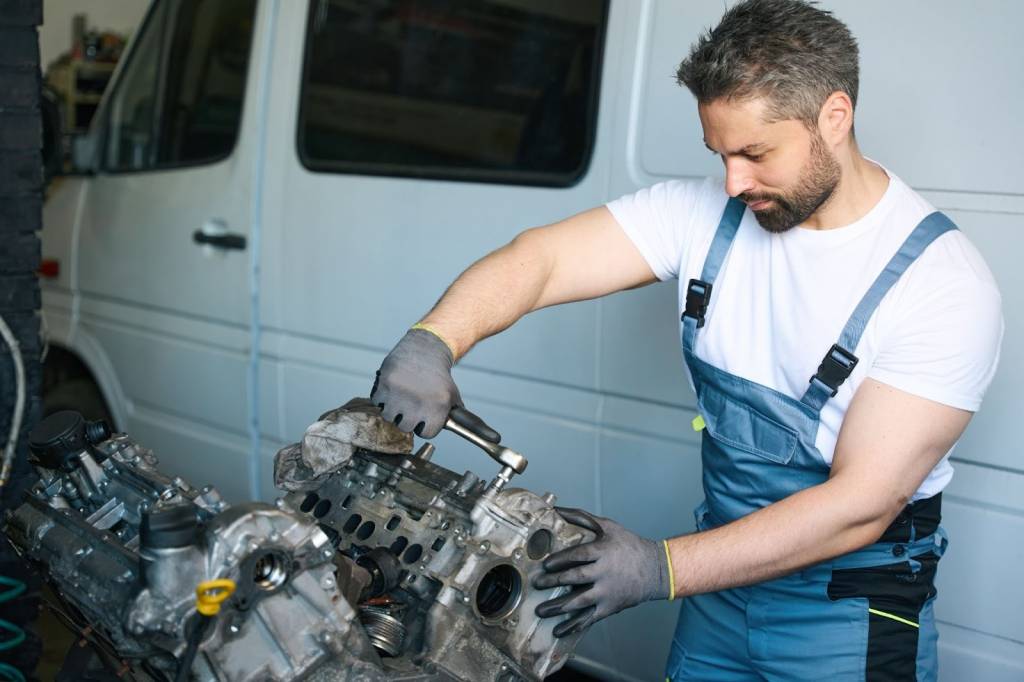
RV engine and drivetrain repair strengthens performance on long climbs and highway routes. Engines face heat strain, while transmissions handle heavy loads. Jargon like “slipping” or “pinging” describes stress in these systems. Technicians fix these issues through deep diagnostics.
Engine Overheating
RV engine overheating begins with coolant loss, blocked airflow, or worn thermostats. Drivers watch temperature gauges rise during long climbs. Heat builds quickly when the airflow around the radiator drops. Technicians pressure-test the cooling system to find leaks. They clear debris from fins and replace weak hoses. They verify thermostat response under proper load. Their work stabilizes engine temperatures.
Transmission Slipping
RV transmission slipping feels like delayed or soft gear engagement. Fluid that turns dark or has a burnt smell signals internal wear. Drivers may feel shaking during acceleration. Technicians check the fluid condition and scan for fault codes. They replace filters or rebuild worn clutch packs. They test engagement on the road for smooth shifting. Their repair restores strong and consistent transmission control.
RV Slide-Out and Awning Repair
RV slide-out and awning repair improves comfort and ease of use. Dirt, misalignment, and wind strain these moving parts. Slow motors, torn fabric, or uneven movement signal hidden damage. Technicians restore smooth operation with targeted adjustments.
Slide-Out Motor Strain
RV slide-out motor strain begins when dirt accumulates on the rails. The slide jerks or slows during extension. Drivers hear grinding that signals binding inside the mechanism. Technicians clean the rails and adjust the alignment to ensure even movement. They test motor strength under pressure. They lubricate joints for smoother motion. Their work restores reliable operation.
Awning Tears and Track Wear
RV awning tears occur when the sun, wind, or tight storage weakens the fabric. Minor frays spread when rolled up. Tracks may bend from rough handling or strong gusts. Technicians replace damaged fabric with weather-resistant material. They straighten or replace tracks for proper movement. They check arm tension for a balanced opening. Their repair prevents future tearing.
Give Your RV the Expert Care it Needs
Your RV runs best when trained specialists address the issues that slow your trips and compromise your comfort. Skilled technicians solve hidden issues fast and protect the systems that support long drives, steady power, and safe handling. Every repair they complete helps you travel with fewer setbacks and more confidence in the road ahead. Reach out to an RV repair specialist and keep your rig ready for every route you plan next.
Build your RV know-how with clear, trusted advice on the Monkey’s RV & Auto Repair blog and keep your rig ready for the next journey.