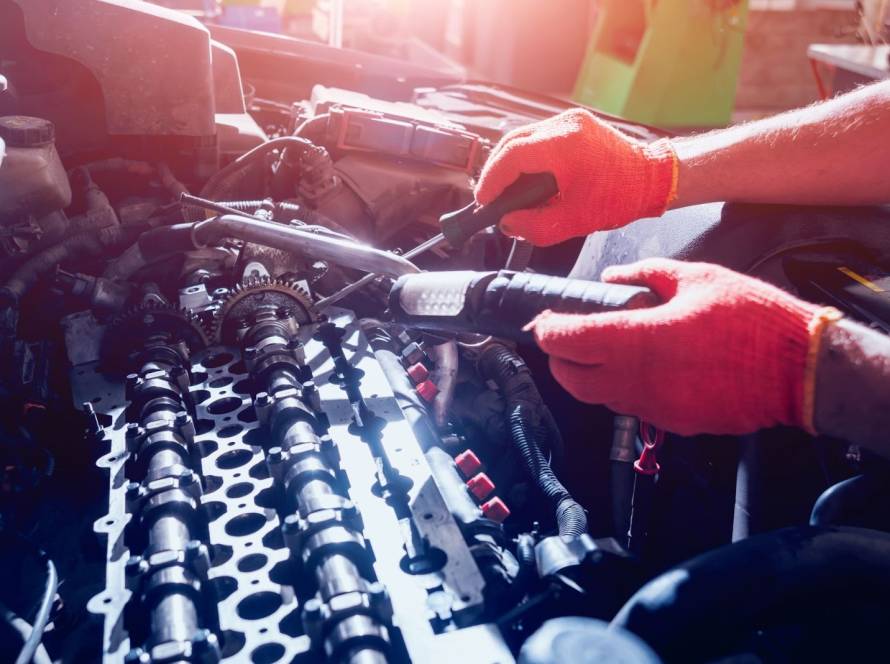
Drivers often notice when their car suddenly becomes louder, especially when the calm hum turns into a harsh growl. That noise usually means the muffler, a vital part of your vehicle’s exhaust system, is struggling. A muffler doesn’t just keep things quiet; it also controls exhaust flow, engine balance, and overall performance. Ignoring muffler issues can lead to poor fuel economy, excess emissions, and unnecessary repair costs, turning a simple fix into a serious problem.
What a Muffler Does in Your Vehicle
A muffler controls engine noise and directs exhaust gases safely away from the vehicle. It uses a series of chambers and tubes that reflect and cancel sound waves before gases exit the tailpipe. This process keeps the car quiet and improves driving comfort. Additionally, the muffler supports the engine’s performance by maintaining the right level of back pressure, which helps it breathe efficiently and reduces fuel waste.
How a Muffler Works
Exhaust gases enter through an inlet pipe at high pressure and speed inside every muffler. These gases pass through perforated tubes and chambers designed to cancel sound frequencies using wave reflection. The internal design causes sound waves to collide and neutralize each other, reducing overall noise. As gases move through the system, they cool and lose intensity before exiting through the outlet. This precise yet straightforward process ensures your car runs quietly while maintaining stable engine performance.
Common Types of Mufflers
There are three main types of mufflers, each with distinct benefits. Standard or stock mufflers balance quiet performance and durability, making them ideal for everyday driving. Performance mufflers increase airflow, slightly improving horsepower while producing a deeper tone. Straight-through designs allow unrestricted gas flow for higher power output but more noise. Choosing the right type depends on your vehicle’s needs, driving habits, and personal comfort preferences.
Recognizing Signs You Need Muffler Repair
A muffler doesn’t fail instantly; it deteriorates over time due to heat, moisture, and road conditions. Most problems start small but worsen quickly if ignored. Paying attention to particular symptoms can help you identify muffler trouble early. Similarly, acting promptly keeps your exhaust system safe, efficient, and compliant with emissions standards.
Loud or Unusual Noises
A sudden increase in exhaust noise often signals a damaged or leaking muffler. You may hear a roaring, rattling, or hissing sound when the engine runs. These noises occur when internal baffles break or rust eats through metal surfaces. The louder the sound, the larger the problem. Addressing it early prevents further damage to pipes, hangers, and other exhaust parts.
Drop in Fuel Efficiency
A malfunctioning muffler disrupts exhaust flow and forces the engine to work harder. This imbalance reduces fuel efficiency and increases consumption over time. You might notice your gas tank emptying faster than usual. A quick inspection and repair can restore balance to your exhaust system. Properly repaired mufflers help engines operate efficiently and extend overall engine life.
Strange Odors or Fumes Inside
Smelling exhaust fumes inside the cabin is more than unpleasant—it’s dangerous. Exhaust leaks often release carbon monoxide, a colorless, odorless gas that can cause dizziness or illness. When you smell unusual fumes, it means gases are escaping through cracks or holes under the car. This issue needs immediate professional attention. Fixing leaks restores safe air quality inside your vehicle.
Rust or Hanging Exhaust Parts
Moisture and road salt corrode metal components, creating weak spots and holes in mufflers. When brackets or hangers break, the muffler may hang or drag while driving. This damage not only affects performance but also poses safety risks. Visual inspection under the car can reveal rust or sagging pipes. Prompt repair prevents complete system failure and costly replacement.
Why Timely Muffler Repair Matters
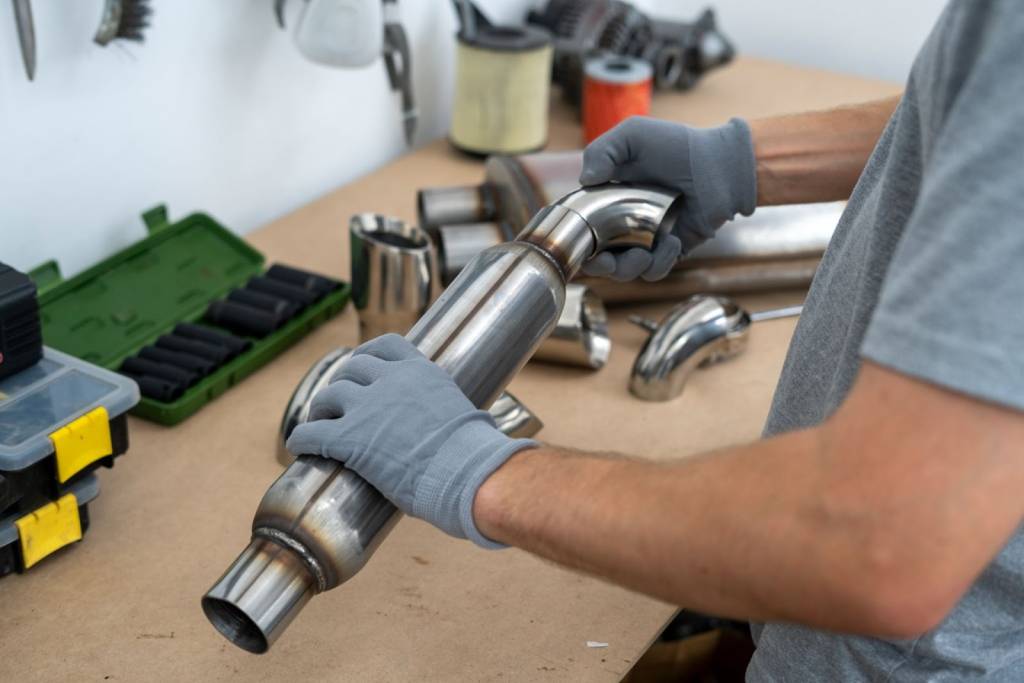
Mufler repair affects more than just your car’s sound; it impacts performance, fuel use, and safety. A functioning muffler ensures efficient exhaust flow and helps maintain proper air-to-fuel ratios. It also protects the environment by controlling harmful emissions. Additionally, maintaining your muffler keeps your drives quieter and smoother while preserving the health of other exhaust components.
Restores Engine Power and Efficiency
A clogged or damaged muffler increases back pressure, straining the engine. This condition slows acceleration and increases fuel use. Repairing or replacing a faulty muffler allows gases to exit properly, improving combustion and power delivery. You’ll notice smoother idling and a stronger response when pressing the accelerator. Efficient exhaust flow keeps the engine balanced and reduces wear on other parts.
Keeps Your Ride Quiet and Comfortable
A properly repaired muffler restores a healthy engine’s calm, controlled sound. Noise reduction enhances comfort inside the cabin and makes long drives less tiring. Additionally, quiet operation indicates that the exhaust system is sealed correctly. This proper sealing prevents vibration or rattling that often occurs when parts loosen. A quiet car reflects good maintenance and overall mechanical balance.
Supports Cleaner Emissions
The muffler works with the catalytic converter to reduce harmful exhaust gases. When leaks form, untreated gases escape directly into the air, raising pollution levels. Regular muffler repair minimizes emissions and helps your vehicle meet environmental standards. Cleaner exhaust flow benefits both performance and the environment. Keeping your system sealed also ensures compliance during inspection tests.
Prevents Costly Exhaust Damage
Ignoring muffler issues can damage other exhaust parts, such as catalytic converters and pipes. Corrosion spreads quickly when left unchecked, leading to complete system failure. Repairing small leaks and weak spots early protects surrounding components. It also reduces the risk of engine overheating caused by back pressure. Consistent maintenance avoids expensive replacements down the road.
Professional Muffler Repair vs. DIY Fixes
Repairing a muffler may seem simple, but it often requires welding, pressure testing, and specialized tools. DIY solutions may temporarily quiet noise but rarely solve underlying problems. Professional repair ensures correct alignment, secure fittings, and long-term durability. Additionally, experts can diagnose related issues that non-professionals might miss during home repairs.
Why Professional Service is Better
Auto technicians inspect the exhaust system to locate hidden leaks or structural damage. They use diagnostic tools to measure pressure and sound variations accurately. Professional repairs involve welding and precision-fitting, ensuring long-lasting results. Many repair shops also provide warranties for added confidence. Relying on experts guarantees safety, efficiency, and performance consistency.
Risks of DIY Repairs
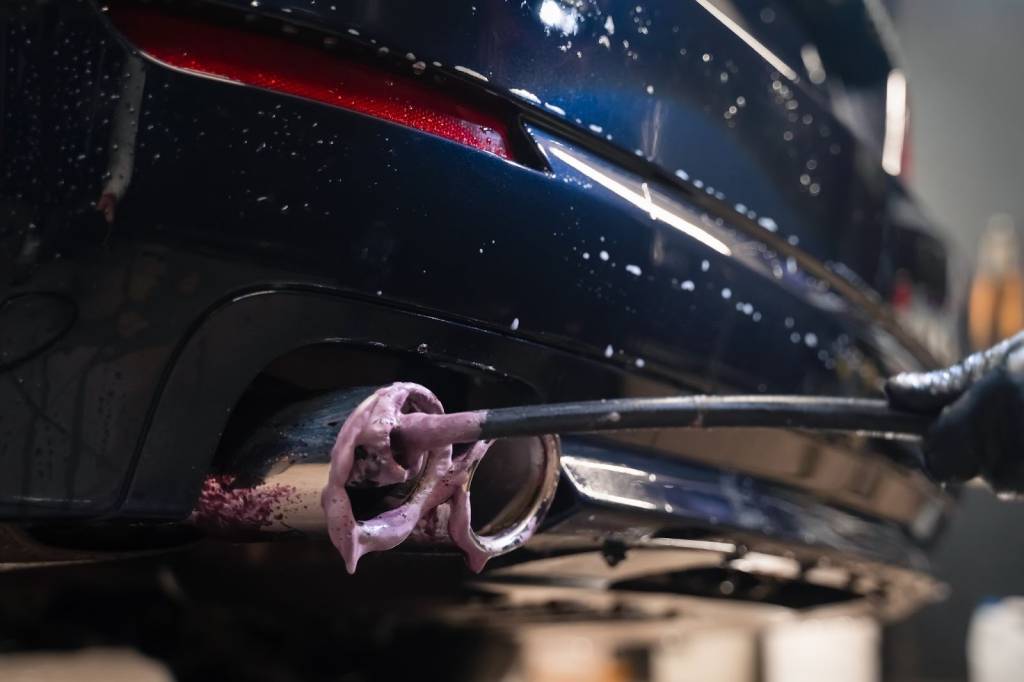
Temporary patches or sealants often fail under high heat and vibration. When these materials deteriorate, leaks reappear, causing more noise and reduced efficiency. Incorrectly fitted pipes or clamps can even cause exhaust gases to flow toward the cabin. DIY methods may seem cost-effective, but they often lead to higher expenses later. A professional fix provides a lasting, safer solution for your vehicle.
How Experts Diagnose Muffler Problems
Certified mechanics use sound detection and smoke testing to identify leaks precisely. They inspect hangers, gaskets, and joints for corrosion or wear. Using lifts and sensors, they analyze airflow and pressure within the exhaust. This process allows them to locate even small leaks that affect performance. Professional diagnostics ensure complete, accurate repair results every time.
Maintaining Your Muffler for Longevity
Proper maintenance prevents frequent muffler issues and extends your vehicle’s life. Simple driving habits and routine inspections can keep the exhaust system in peak condition. Regular care helps you detect rust, leaks, and loose fittings before they worsen. Similarly, consistent attention to your car’s exhaust keeps performance and comfort steady year-round.
Regular Inspections and Cleaning
Inspect your exhaust system at least twice a year or during oil changes. Check under the vehicle for rust, cracks, or sagging pipes. Cleaning off mud, salt, and road debris helps prevent corrosion, especially in humid climates. When buildup remains, it traps moisture and accelerates rust. A clean and secure muffler system performs better and lasts longer.
Driving Habits That Protect the Muffler
Frequent short trips prevent the exhaust from heating entirely, allowing moisture to accumulate. That trapped moisture leads to internal rust over time. Taking longer drives helps evaporate condensation and maintain a dry exhaust system. Avoid driving through deep puddles that can flood the pipes. Smooth driving and avoiding road debris also reduce vibration-related wear.
When to Seek Professional Inspection
Scheduling an inspection every twelve months helps detect exhaust leaks before they cause damage. Technicians can examine joints, clamps, and hangers for hard-to-see weakness. They also test gas flow and listen for vibration or unusual noise. Detecting problems early keeps your car running safely and quietly. A professional evaluation ensures your exhaust system remains efficient.
Schedule Your Muffler Repair for Reliable Performance
A reliable vehicle starts with a healthy exhaust system, and that begins with your muffler. Ignoring muffler problems risks poor performance, higher fuel use, and potential exposure to exhaust fumes. Repairing or replacing damaged components restores quiet operation, protects your engine, and keeps emissions within safe limits. Scheduling your muffler repair promptly safeguards your investment, giving you a smoother, safer, and more efficient drive every time.
Your car deserves the best care. Learn maintenance tips, repair know-how, and expert insights on the Monkey’s RV & Auto Repair blog.