
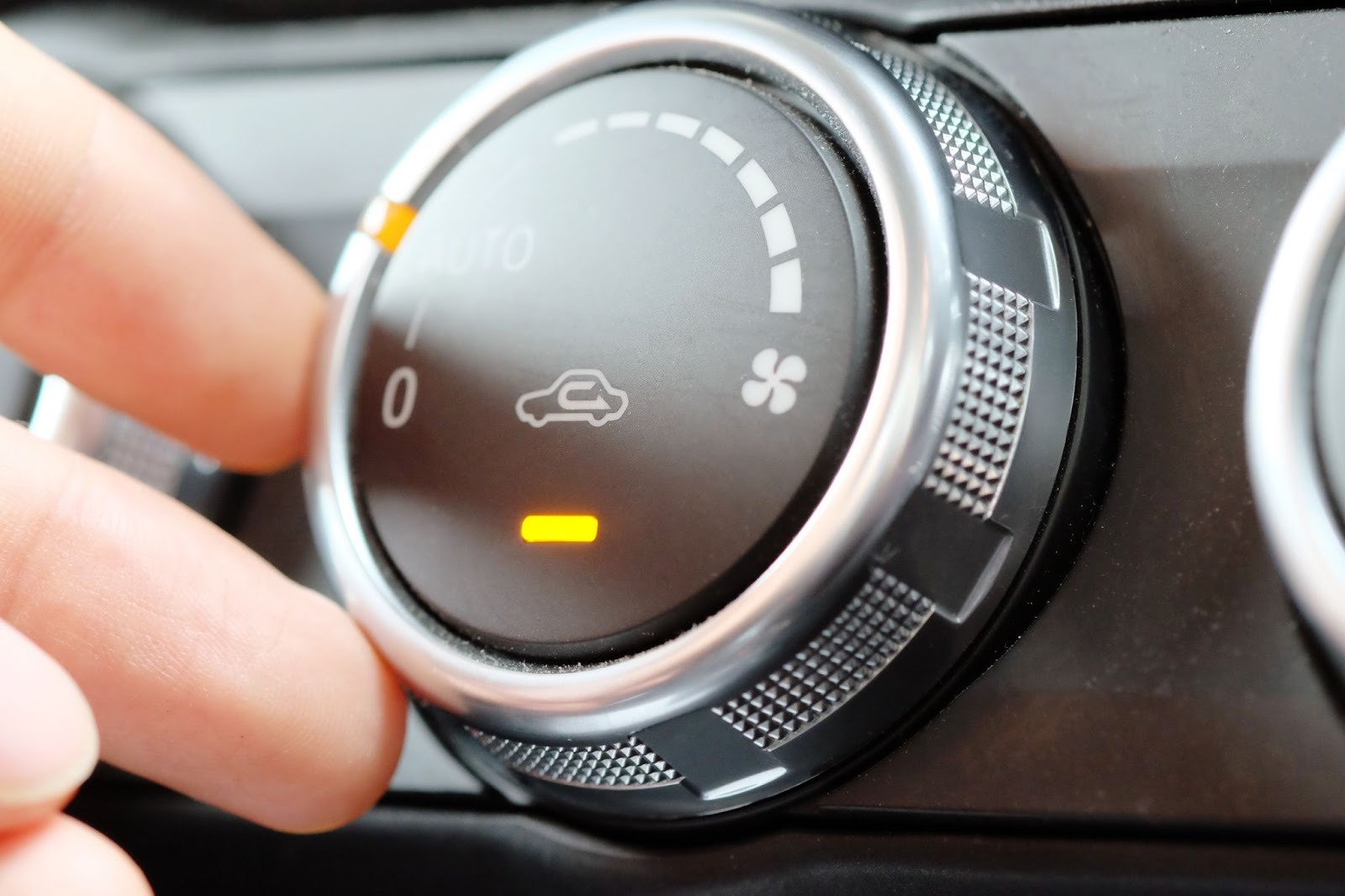
Hot weather quickly reveals how well a vehicle’s cooling system performs under pressure. Many drivers experience slow cool-down times, uneven airflow, or air that never feels cold enough. These issues usually develop gradually and often go unnoticed until comfort drops sharply. Auto air conditioning service addresses the hidden causes behind poor cooling and restores balanced operation across the system. Reliable cabin comfort depends on maintaining the components that regulate temperature, airflow, and pressure in concert.
How Auto Air Conditioning Systems Work
Auto air conditioning systems cool the cabin by removing heat rather than creating cold air. This process relies on a sealed loop that circulates refrigerant at a controlled pressure. Each component must function correctly for the system to maintain steady cooling. Understanding this operation explains why even small issues can reduce overall performance.
Refrigerant Flow and Heat Removal
Refrigerant circulates through the system, removing heat from the cabin. This refrigerant absorbs heat at the evaporator and releases it at the condenser. Pressure changes allow the refrigerant to switch between liquid and gas states. Low refrigerant levels disrupt the heat exchange process. Service restores the correct refrigerant amount to maintain efficiency. Proper circulation allows the system to cool the cabin more quickly.
Compressor Function and System Pressure
The compressor keeps refrigerant moving through the system at the right pressure. This pressure allows heat to exit the vehicle effectively. Wear inside the compressor reduces its ability to maintain balance. Pressure loss often results in reduced airflow or inconsistent cooling. Service evaluates compressor operation and clutch engagement. Balanced pressure supports steady cooling in daily driving conditions.
Condenser and Evaporator Efficiency
The condenser releases the heat it collects to the outside of the vehicle. Airflow restrictions across the condenser reduce heat dissipation. Inside the cabin, the evaporator cools the air before it is circulated. Dirt buildup reduces the evaporator’s heat-absorption capacity. Cleaning restores efficient heat exchange. Efficient components respond better during high outdoor temperatures.
Why Vehicle AC Cooling Performance Declines
Cooling performance decreases gradually due to normal wear and exposure. Heat, vibration, and time affect seals and internal components. Small inefficiencies compound into noticeable comfort problems. Regular service counters these changes before cooling output drops further.
Refrigerant Loss Over Time
Refrigerant slowly escapes through hoses and seals. This gradual loss reduces the system’s ability to absorb heat. Drivers often notice warmer air during stops or when traffic is slow. Low refrigerant forces the compressor to work harder. Service measures refrigerant levels accurately. Proper recharging restores heat transfer efficiency.
Moisture Contamination Inside the System
Moisture enters the system through worn seals or inadequate servicing. This moisture reacts with refrigerant and oil. Acid formation damages internal parts over time. Ice buildup may intermittently block refrigerant flow. Service removes moisture through vacuum evacuation. Dry systems cool more consistently in all conditions.
Internal Debris and Blockages
Wear inside the system creates fine metal particles. This debris travels through hoses and valves. Restricted flow reduces cooling effectiveness. Uneven vent temperatures often result. Flushing removes contaminants from circulation. Clean pathways allow stable pressure and airflow.
What Happens During Auto AC Service
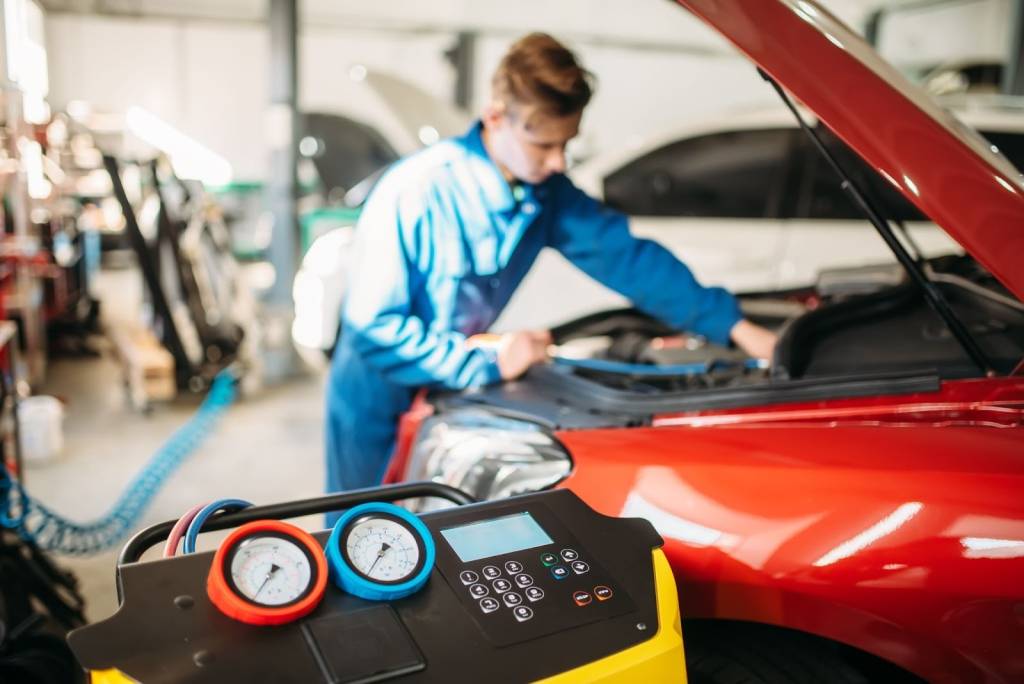
Auto air conditioning service follows a structured diagnostic approach. Technicians inspect both mechanical condition and cooling performance. Each step focuses on restoring balance and efficiency. Thorough procedures support reliable long-term operation.
Visual Inspection and Leak Detection
Technicians closely examine hoses, fittings, and seals. Oil residue often indicates refrigerant leakage. Ultraviolet dye helps locate hidden leaks. Even small leaks reduce cooling capacity over time. Service identifies weak points accurately. Repairs prevent ongoing refrigerant loss.
Pressure and Temperature Testing
Pressure readings reveal how well the system balances refrigerant flow. Abnormal values point to restrictions or wear. Temperature testing confirms vent output accuracy. Measurements occur under real operating conditions. Results guide precise system adjustments. Proper calibration improves cooling stability.
Refrigerant Recovery and Recharge
Technicians remove old refrigerant safely before recharging. The system undergoes a vacuum process afterward. This process completely removes air and moisture. Fresh refrigerant is filled to specification. Correct charge supports compressor efficiency. Cooling performance improves immediately after service.
How Auto Air Conditioning Service Enhances Cooling
Cooling problems usually develop gradually rather than suddenly. Subtle changes in airflow, temperature consistency, and system response often signal deeper mechanical or performance issues. These changes indicate imbalances in the cooling system that reduce its ability to efficiently dissipate heat. Understanding how professional service corrects these internal issues explains why cooling performance improves after proper maintenance.
Improves Cooling Efficiency After Maintenance
Balanced system conditions allow the air conditioning system to respond more effectively to the heat inside the vehicle. When refrigerant levels, airflow, and pressure operate within proper ranges, the system can remove heat without unnecessary strain. This balance keeps the cooling output steady rather than fluctuating during operation. Drivers experience more predictable temperature control across different driving situations.
Delivers Faster Cabin Cool-Down Times
A well-balanced system reduces the delay between startup and noticeable cooling. Clean evaporator surfaces absorb heat more efficiently, allowing colder air to circulate sooner. Correct refrigerant pressure also strengthens airflow through the vents. As a result, the cabin reaches a comfortable temperature without prolonged operation. This improvement is especially noticeable after the vehicle has been in direct sunlight. Faster cool-down reduces discomfort and limits excessive system cycling.
Maintains Stable Cooling on Long Drives
Extended driving exposes weaknesses in poorly balanced systems. Heat accumulation can overwhelm components that already operate under strain. When cooling elements work in harmony, temperature output remains consistent over time. Compressor cycling stays controlled rather than erratic. This stability prevents sudden warm air during highway travel. Drivers benefit from uninterrupted comfort over long distances.
Manages Increased Thermal Load in Modern Vehicles
Modern vehicles generate more interior heat than earlier models due to design and technology changes. Larger windshields, panoramic roofs, darker cabin materials, and onboard electronics efficiently trap heat. This higher thermal load forces the cooling system to work harder, especially during slow traffic. Without proper balance, heat overwhelms airflow and pressure capacity. Auto air conditioning service recalibrates the system output to match these increased demands. This adjustment helps prevent excessive strain on compressors and condensers.

Reduces Engine Load and Energy Demand
Cooling systems draw power directly from the engine, making efficiency important beyond comfort. When internal resistance increases, the engine compensates by working harder. Balanced operation reduces this additional demand. The result is smoother, more enjoyable everyday driving.
Lowers Compressor Operating Stress
Excessive pressure differences force the compressor to operate outside its normal limits. Internal friction increases as lubrication becomes uneven. When the system balance improves, moving parts operate with less resistance. Reduced strain supports consistent compressor speed. This condition limits heat buildup within the unit. Lower stress helps preserve long-term functionality.
Stabilizes Fuel Use During AC Operation
Air conditioning naturally increases fuel consumption, but inefficiency magnifies that effect. When cooling output stabilizes, the engine no longer compensates for fluctuating demand. Power draw remains more predictable during operation. This consistency supports steadier fuel consumption in traffic and on highways. Drivers may notice fewer dips in performance during acceleration. Over time, balanced operation supports better overall efficiency.
Enhances Cabin Air Quality and Circulation
Air quality inside the vehicle depends on airflow consistency and cleanliness. Restricted circulation traps moisture and airborne particles. Balanced cooling supports healthier airflow patterns. Occupants benefit from a cleaner and more comfortable cabin environment.
Improves Airflow Through Clean Filtration
Cabin air filters regulate the volume and cleanliness of the air entering the cabin. When filters clog, airflow weakens and pressure builds inside the system. Reduced airflow strains cooling components and limits comfort. Replacing restricted filters restores proper circulation. Clean airflow distributes temperature evenly throughout the cabin. Passengers experience improved breathing comfort during operation.
Eliminates Odors and Excess Moisture
Moisture accumulation creates an environment for bacterial growth. Odors often appear when airflow carries these contaminants into the cabin. Balanced cooling discourages condensation buildup on internal surfaces. Cleaning treatments remove residue from evaporator areas. As airflow improves, unpleasant smells dissipate. The cabin environment feels fresher during everyday use.
Limits Long-Term System Damage
Gradual wear often goes unnoticed until performance drops sharply. Cooling systems rely on consistent pressure and lubrication to function properly. When an imbalance persists, internal components degrade faster. Restoring stability protects the system from accelerated wear.
Identifies Wear Before System Failure
Pressure irregularities often indicate developing internal issues. Subtle changes reveal stress on valves or seals. Recognizing these changes prevents them from escalating into larger failures. Timely correction preserves component integrity. Compressors and expansion devices benefit from reduced strain. Early detection supports longer system life.
Preserves Hose and Seal Integrity
Hoses and seals are constantly exposed to heat and vibration. Over time, material flexibility declines. Loss of elasticity leads to refrigerant seepage. Stable pressure reduces stress on these components. Maintaining proper balance helps materials retain their structure. Cooling performance remains reliable as a result.
Protects Interior Materials From Heat Stress
Interior materials respond poorly to fluctuating heat and humidity. Leather, vinyl, and plastics degrade faster when exposed to uneven temperatures. Weak airflow allows heat pockets to form across seats and panels. Over time, this uneven exposure accelerates fading and cracking. Regular air conditioning care promotes uniform temperature distribution. Consistent cooling helps preserve interior appearance and condition.
Optimize Cooling Control With Auto AC Service
Cooling performance reflects how well a vehicle manages heat under real driving conditions. Small inefficiencies in airflow, pressure, or control systems gradually reduce comfort and increase strain on critical components. Auto air conditioning service corrects these imbalances before they affect daily driving or long-term reliability. Choosing timely, professional AC care supports consistent cabin comfort and keeps cooling systems operating as designed.
Learn how smarter vehicle care improves everyday comfort. Visit the Monkey’s RV & Auto Repair blog for practical insights and expert guidance.