

A diesel truck rarely breaks down without warning, yet the repair bill can still feel overwhelming. Most vehicle owners depend on their diesel engine for work, towing, and long daily drives. When performance drops or warning lights appear, cost becomes the immediate concern. Diesel engine repair pricing varies widely, and confusion often comes from not knowing what drives those numbers. Clear information on repair costs helps you make confident decisions before small problems escalate into costly mechanical failures.
What Determines Diesel Engine Repair Costs?
Diesel engine repair costs depend on parts pricing, labor rates, and the extent of mechanical damage. Repair shops calculate estimates based on diagnostic time and component access. This cost structure reflects the complexity of high-compression diesel systems. Understanding these variables helps vehicle owners interpret quotes accurately and plan financially.
Why Diesel Engines Cost More to Repair
Diesel engines cost more to repair because they use heavy-duty components built for higher compression and torque. High-pressure fuel systems require specialized tools and trained technicians, which increases labor rates. This design difference means that injectors, pumps, and turbochargers have higher replacement costs than their gasoline equivalents. Modern diesel models also include advanced emissions systems, such as diesel particulate filters, which add additional cost. Additionally, many diesel trucks serve commercial roles, so manufacturers design parts for durability rather than low replacement cost. As a result, the final invoice reflects both engineering strength and technical expertise.
Average Diesel Repair Cost Ranges
Diesel engine repair typically ranges from $150 for minor sensor fixes to over $10,000 for full engine work. Injector replacement typically ranges from $1,000 to $3,000, depending on engine size. Turbocharger replacement commonly costs $1,500 to $4,000, including labor. This pricing range depends heavily on vehicle brand. Head gasket repairs often exceed $2,500 due to extensive disassembly requirements. These figures reflect national averages based on recent repair shop data and industry service reports.
Common Diesel Engine Repairs and Prices
Common diesel engine repairs include fuel system work, turbo replacement, cooling system fixes, and internal engine repairs. Each repair category carries different labor demands and parts pricing. This variation explains why two diesel trucks with similar mileage may face very different repair bills. Recognizing common issues allows owners to anticipate costs before visiting a repair facility.
Fuel Injector and Pump Repair Costs
Fuel injector repair is among the most common diesel engine services. Injectors spray fuel into the combustion chamber at extremely high pressure, which demands precision. When injectors clog or leak, drivers notice rough idling, misfires, or excessive exhaust smoke. This problem often requires replacing multiple injectors rather than just one. High-pressure fuel pump replacement increases costs further because the pump controls fuel delivery timing and pressure. Repair expenses usually range from $1,000 to $3,500, depending on vehicle size and service labor.
Turbocharger Repair and Replacement
Turbocharger repair becomes necessary when drivers notice power loss or whining sounds under acceleration. The turbo forces more air into the engine, improving torque and fuel efficiency. This forced induction system operates under intense heat and pressure, which causes wear over time. Minor issues may allow rebuilding, which costs less than full replacement. Complete turbo replacement generally costs between $1,500 and $4,000. Labor costs increase because technicians must remove intake and exhaust components to access the unit.
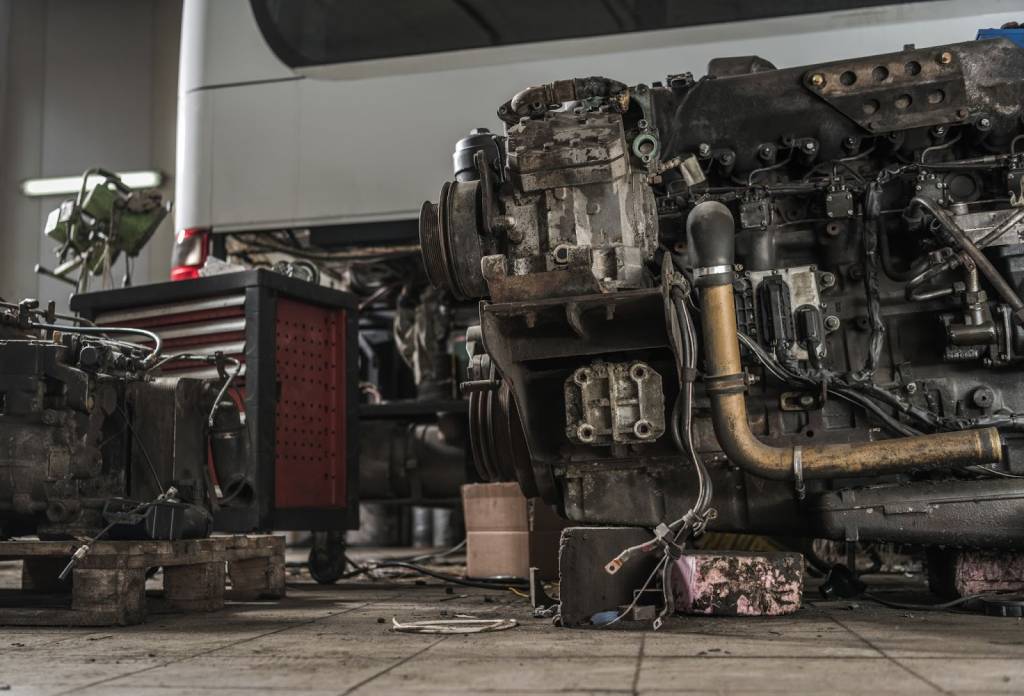
Alt-text: Close-up of a coach bus diesel engine undergoing professional restoration and mechanical repair
Head Gasket and Overheating Repairs
Head gasket repair addresses coolant leaks, overheating, or white exhaust smoke. The head gasket seals the engine block and cylinder head, preventing fluid mixing. When this seal fails, coolant can enter combustion chambers and damage internal components. This repair process requires removing major engine parts to access the gasket. Costs often exceed $2,500 and may rise further if the cylinder heads require machining. Delaying this repair often results in more extensive internal damage and higher repair costs.
Glow Plug and Starting System Costs
Glow plug replacement resolves hard-starting issues in cold weather. Glow plugs heat the combustion chamber so diesel fuel ignites properly during startup. When glow plugs fail, the engine may crank longer or start roughly. This repair usually costs less than fuel or turbo work. However, labor time varies based on engine layout and accessibility. Most glow plug services range from $200 to $800, depending on the vehicle model.
Factors That Influence Final Repair Bills
Final diesel engine repair bills vary due to vehicle type, labor rates, and hidden damage discovered during service. No repair estimate remains identical across different regions or shops. This price difference reflects local labor costs and parts availability. Understanding these influences allows owners to compare estimates with clarity.
Vehicle Brand, Model, and Size
Vehicle brand and engine size directly affect repair pricing. Heavy-duty trucks contain larger components and require more labor time. This engine complexity increases both parts and service costs. Imported diesel vehicles may entail higher shipping costs for parts. Older models sometimes require specialty parts that are harder to source. Each of these factors influences the final repair invoice.
Labor Rates and Shop Location
Labor rates vary based on geographic location and facility type. Urban repair centers often charge higher hourly rates than rural shops. This regional difference reflects operating expenses and technician demand. Dealership service departments typically charge more than independent diesel specialists. However, dealerships may offer manufacturer-backed warranties on repairs. Choosing a qualified auto repair shop with transparent pricing often matters more than simply selecting the lowest rate.
Extent of Internal Engine Damage
Internal engine damage greatly increases diesel repair costs. Cracked pistons, worn bearings, or damaged crankshafts require deeper disassembly. This repair level involves more parts replacement and machining work. Diagnostic testing may reveal additional wear once the engine is opened. Unexpected findings can raise the original estimate. Comprehensive inspections help reduce surprises during major engine work.
Diesel Engine Rebuild vs Replacement Cost
Diesel engine rebuilds and replacements are two primary solutions for severe engine damage. A rebuild restores existing components, while replacement installs a new or remanufactured unit. This decision depends on vehicle value, downtime tolerance, and long-term plans. Comparing both options helps owners choose the most practical path.
Cost of Rebuilding a Diesel Engine
Rebuilding a diesel engine involves disassembling it and replacing worn internal parts. Technicians inspect pistons, bearings, seals, and cylinder walls during this process. This rebuild service often costs between $5,000 and $10,000, depending on engine size. Downtime may last several weeks due to machining and parts ordering. A properly rebuilt engine can deliver many additional miles of reliable service. This repair option is often suitable for vehicles with strong frames and transmission systems.
Cost of Engine Replacement Options
Engine replacement installs either a brand-new or remanufactured diesel engine. New engines typically cost more but include comprehensive warranties. Remanufactured engines cost less while meeting factory specifications. This replacement option often ranges from $8,000 to $15,000, including installation labor. Installation time may prove shorter than a full rebuild. Owners often select this solution when internal damage affects multiple components.
How to Manage Diesel Repair Expenses
Managing diesel engine repair expenses starts with preventive maintenance and informed decision-making. Routine service reduces the likelihood of extensive mechanical failures. This maintenance strategy protects both performance and resale value. Staying attentive to warning signs keeps repair costs under control.
Routine Maintenance to Lower Costs
Routine diesel maintenance includes oil changes, filter replacement, and scheduled inspections. High-quality engine oil protects internal parts from friction and heat damage. This service habit reduces wear on pistons, bearings, and turbo components. Replacing the fuel filter prevents contaminants from damaging injectors. Air filter maintenance supports efficient combustion and stable performance. Following the manufacturer’s service intervals reduces the risk of expensive repairs.
Recognizing Warning Signs Quickly
Recognizing unusual engine behavior helps prevent expensive damage. Excess smoke, power loss, or abnormal noise often signal mechanical issues. This engine response should prompt a professional diagnostic test. Ignoring dashboard warning lights can lead to broader system failure. Rough idling or vibration may indicate problems with the injectors or the turbo. Prompt attention often limits repair costs and prevents larger breakdowns.
Choosing a Qualified Diesel Repair Shop
Choosing a qualified diesel repair shop improves cost transparency and service quality. Certified diesel technicians understand high-pressure fuel systems and emission controls. This technical expertise reduces misdiagnosis and repeat repairs. Reputable shops provide written estimates and clearly explain recommended services. Warranty coverage on parts and labor adds financial protection. Careful selection of a shop protects both your vehicle and your budget.
Hidden Costs of Diesel Emissions Repairs
Modern diesel engine repair costs are increasingly driven by emissions system failures that many owners underestimate. Components such as the diesel particulate filter, EGR valve, and SCR system add mechanical and electronic complexity to newer engines. These systems reduce emissions but rely on proper driving conditions to complete regeneration cycles that burn off accumulated soot. Short trips and extended idling prevent this process, leading to clogged filters and expensive replacements. Cleaning a blocked diesel particulate filter may cost several hundred dollars, while a full replacement can cost several thousand dollars. Understanding how emissions components influence long-term diesel repair expenses helps owners adjust driving habits and maintenance routines to control avoidable costs.
Plan Smarter for Diesel Engine Repair
Diesel engine repair becomes far more manageable when you approach it with a clear plan instead of reacting to breakdowns. Cost control starts with understanding your engine’s patterns, service intervals, and common weak points. This planning mindset shifts repairs from unexpected emergencies to predictable maintenance decisions. When you track performance, respond to warning signs, and choose qualified technicians, you protect both your vehicle’s reliability and your long-term budget.
Before your next service appointment, read the latest posts on the Monkey’s RV & Auto Repair blog and make your repair decisions with clarity and confidence.