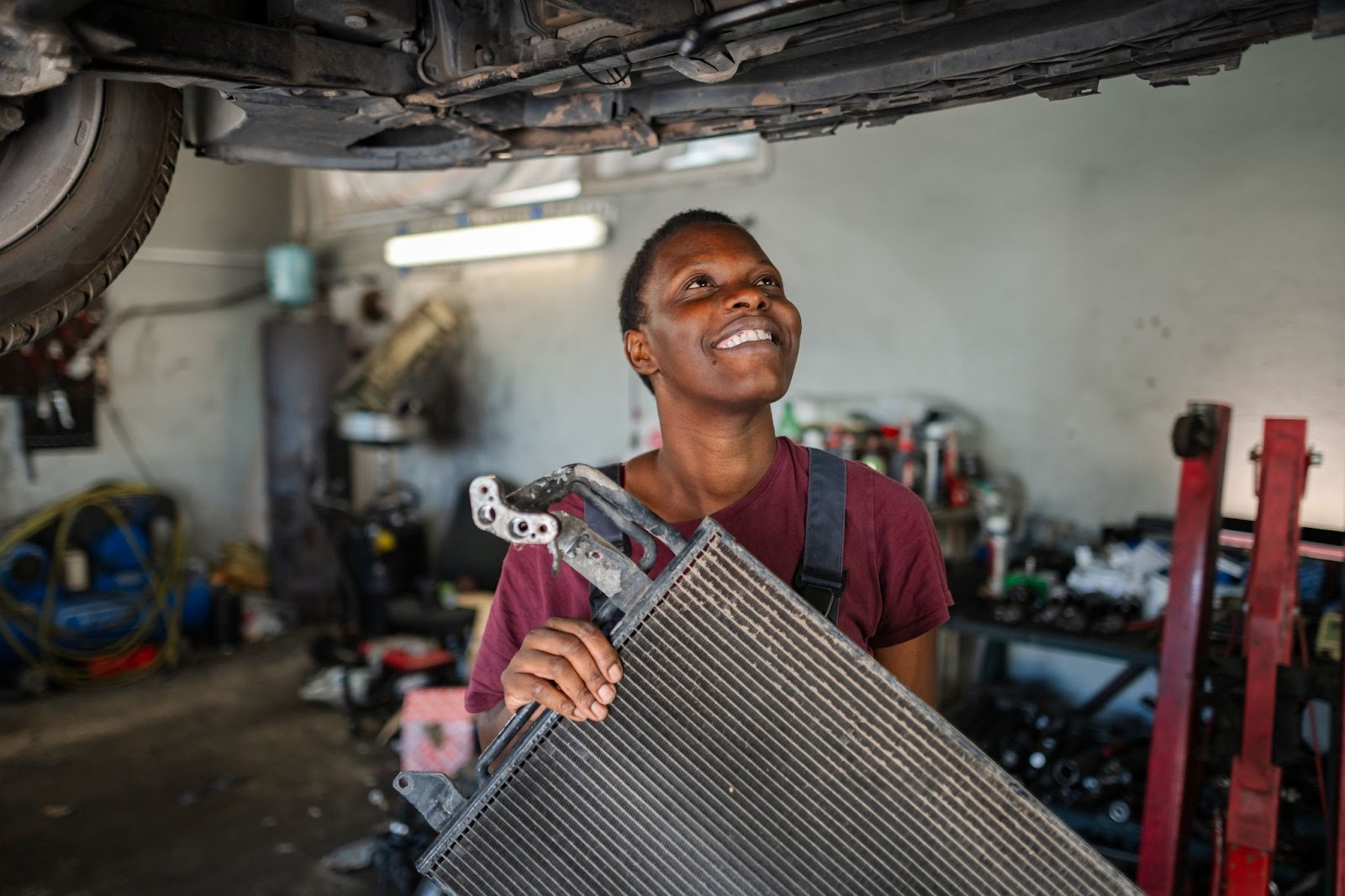
Radiator repair often becomes necessary long before a vehicle stops running altogether. Many drivers first notice small changes that feel easy to dismiss during daily commutes. Slight temperature shifts, faint smells, or repeated coolant refills usually indicate developing cooling problems. These warning signs tend to appear gradually, which makes them easy to ignore. Paying attention to radiator-related symptoms helps drivers protect engine reliability and avoid disruptive breakdowns.
Why Radiator Repair Requires Immediate Attention
Radiator repair focuses on correcting failures within the system that manages engine heat. When cooling efficiency drops, heat spreads quickly to nearby components that depend on stable operating temperatures. Cooling problems rarely remain confined to a single part of the system. This broader impact explains why unresolved radiator issues often lead to costly mechanical damage.
How Engine Heat Affects Vehicle Performance
Engine heat builds during every drive and must remain within a controlled range. The radiator regulates this heat by circulating coolant through narrow internal passages. When circulation slows or becomes restricted, temperatures climb beyond safe limits. Prolonged heat weakens hoses, seals, and gaskets that maintain engine integrity. Automotive service records consistently link overheating to engine reliability issues. Professional radiator repair restores proper heat transfer and stabilizes overall performance.
Why Radiator Failures Spread Beyond the Cooling System
Radiator problems can cause stress on parts not designed to withstand excessive heat. Engine oil thins more quickly as temperatures rise, reducing lubrication effectiveness. Sensors begin sending inconsistent readings as thermal conditions fluctuate. Electrical components also deteriorate when exposed to prolonged heat cycles. These effects compound wear across multiple systems. Radiator repair limits this spread by restoring temperature balance.
How Delayed Radiator Repair Expands Repair Needs
Delaying radiator repair allows heat damage to build gradually. Small leaks widen as internal pressure increases during operation. Coolant loss reduces the system’s ability to maintain consistent temperature regulation. The engine compensates by working harder under stress. This added strain accelerates wear on internal components. Radiator repair interrupts this progression before damage multiplies.
Everyday Driving Habits That Strain Radiators
Radiator repair often becomes necessary due to routine driving behaviors rather than sudden failures. Many modern vehicles operate under tighter thermal tolerances than older models. Small habits compound heat stress without obvious warning signs. Understanding these patterns explains why radiators fail sooner than expected.
Short Trips and Stop-and-Go Driving Stress Cooling Systems
Short trips prevent engines from reaching stable operating temperatures. Coolant circulation is uneven during repeated cold starts—stop-and-go traffic limits airflow through the radiator fins. Heat builds faster than the system can release it. Over time, this pattern accelerates internal wear. Radiator repair corrects damage caused by repeated thermal imbalance.
How Overloaded Vehicles Increase Radiator Demand
Extra weight forces engines to work harder during acceleration. Increased engine load produces more heat. Radiators must dissipate this additional heat consistently. Prolonged strain reduces cooling efficiency. Towing and heavy cargo amplify this effect. Radiator repair restores capacity after prolonged overload stress.
Clear Warning Signs Your Radiator Needs Repair
Radiator issues rarely appear without giving drivers advance notice. Subtle changes in temperature behavior, fluid levels, or vehicle comfort often signal trouble developing within the cooling system. These indicators may seem minor at first, yet they usually point to underlying radiator problems. Understanding these early warning signs helps drivers recognize when professional radiator repair becomes necessary before broader engine damage follows.

Rising Engine Temperature While Driving
A rising temperature gauge provides a clear signal of cooling trouble. This change usually reflects restricted coolant flow through the radiator. Continued driving under these conditions increases thermal stress. This pattern often indicates radiator repair rather than a temporary fluctuation.
What Temperature Spikes Reveal About Radiator Condition
Temperature spikes indicate reduced heat dissipation within the radiator. Blocked fins, corrosion, or internal buildup limit cooling efficiency. Heat then accumulates faster than the system can release it. Drivers often notice spikes during traffic or when driving uphill—repeated spikes strain components designed for stable temperatures. Radiator repair removes restrictions and restores consistent cooling.
Why Constant Overheating Signals Structural Damage
Constant overheating suggests deeper radiator deterioration. Internal passages may have collapsed or been extensively corroded. Coolant cannot circulate effectively through damaged sections. This condition prevents proper heat exchange during normal driving. Continued operation increases engine stress significantly. Radiator repair addresses the structural cause of persistent overheating.
Coolant Leaks Beneath the Vehicle
Coolant leaks indicate a breach in the sealed cooling system. Radiators often leak as materials age and become less flexible. Puddles typically appear near the front of the vehicle. This visible loss strongly suggests the need for radiator repair.
How Radiator Leaks Typically Develop
Radiator leaks often begin at seams or hose connections. Heat causes materials to expand and contract repeatedly. Over time, this movement creates fractures at weak points. During operation, pressurized coolant escapes through these openings. Even minor leaks quickly reduce cooling efficiency. Radiator repair seals these failures and restores pressure stability.
Why Leaks Worsen During Regular Driving
Driving increases system pressure and temperature. These conditions force coolant through existing weaknesses. Small leaks expand as stress continues. Coolant loss accelerates under repeated heat cycles. Drivers may notice larger puddles over time. Radiator repair stops this escalation.
Frequent Coolant Refills Without Explanation
Repeated coolant refills signal abnormal fluid loss. A properly functioning system does not consume coolant. Internal radiator damage often explains unexplained loss. This pattern usually requires professional radiator repair.
Hidden Radiator Damage Behind Coolant Loss
Some radiator cracks release coolant only under heat and pressure. These fractures close once the engine cools. This behavior leaves no visible puddles after parking. Drivers may assume evaporation caused the loss. Diagnostic pressure testing reveals these faults. Radiator repair restores proper containment.
Why Ignoring Coolant Loss Affects Engine Balance
Low coolant disrupts temperature regulation across the engine. Air pockets form and interrupt circulation. Sensors may deliver inaccurate readings as flow changes. Heat distribution becomes uneven. Over time, components experience uneven stress. Radiator repair stabilizes coolant levels and circulation.
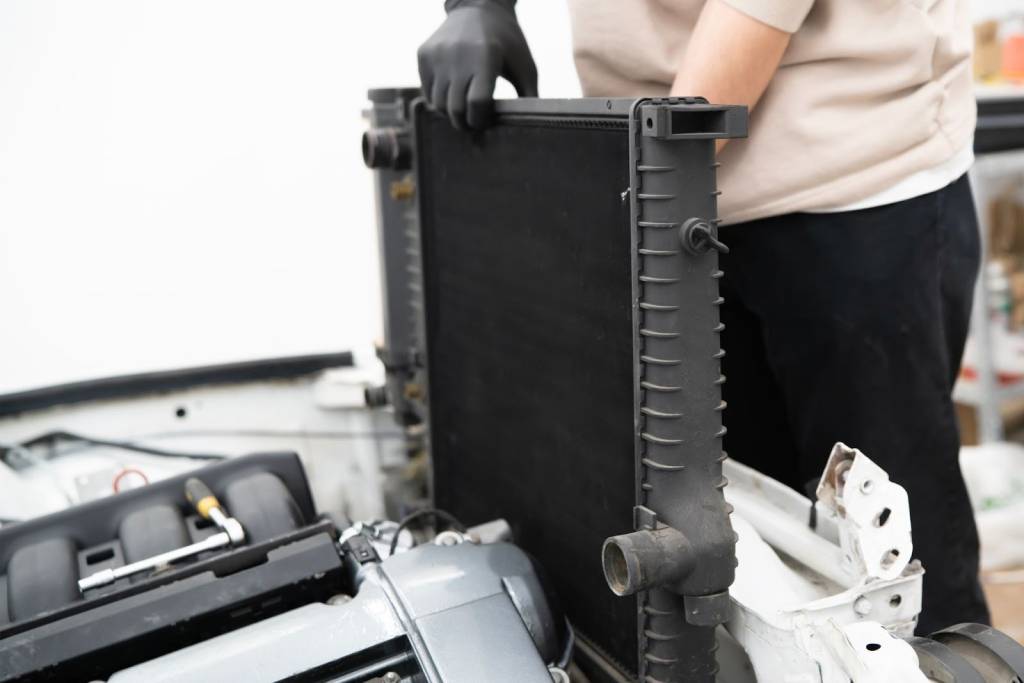
Steam or Sweet Smells From the Engine Bay
Steam or sweet odors often indicate coolant contacting hot engine parts. These sensory cues provide clear warnings of cooling failure. Radiator leaks commonly cause both symptoms. This combination points toward radiator repair as the corrective step.
Why Coolant Produces Steam and Sweet Odors
Coolant contains additives that create a sweet scent. When leaks occur, coolant reaches heated engine surfaces. Heat vaporizes the fluid into visible steam. Drivers often notice this effect after stopping. Continued driving increases overheating risk. Radiator repair removes the exposure source.
How Odors Appear Before Visible Leaks
Small leaks may not drip immediately. Coolant can burn off before pooling occurs. Odors appear during idle or shutdown periods. These smells often precede visible evidence. Ignoring them delays diagnosis. Radiator repair addresses the issue at an earlier stage.
Rust or Sludge Inside the Radiator
Rust or sludge inside the radiator reduces cooling capacity. These contaminants restrict coolant movement through internal channels. Discoloration often appears during inspection. This internal damage signals radiator repair.
How Corrosion Forms Inside Radiators
Old coolant loses its protective qualities. Metal surfaces begin oxidizing internally. Rust flakes collect and block narrow passages. Heat transfer efficiency declines steadily. Cooling performance weakens over time. Radiator repair clears corrosion buildup.
Why Sludge Thickens Coolant Flow
Sludge forms as the coolant breaks down chemically. Contaminants thicken the fluid. Thick coolant circulates slowly through the system. Heat then remains trapped within the engine. Cooling efficiency drops noticeably. Radiator repair restores clean circulation.
Cooling System Warning Lights on the Dashboard
Dashboard warning lights alert drivers to cooling irregularities. Sensors detect abnormal temperatures or coolant levels. These alerts often stem from radiator issues. This system prompts radiator repair before damage expands.
What Cooling Warning Lights Usually Indicate
Temperature lights activate when the heat exceeds safe thresholds. Coolant level lights signal fluid loss. Both warnings often involve radiator leaks or blockages. Ignoring alerts allows stress to increase. Sensors depend on stable conditions. Radiator repair resolves triggering faults.
Why Resetting Warning Lights Causes Confusion
Resetting lights hides symptoms without fixing causes. Underlying cooling issues continue to develop. Drivers may assume the problem resolved itself. Heat damage progresses unnoticed. Diagnostics become harder later. Radiator repair corrects the source, not just the signal.
Weak Cabin Heating During Cold Weather
Cabin heating depends on consistent coolant circulation. Weak airflow often indicates a disrupted cooling system. Radiator issues restrict coolant delivery to the heater core. This discomfort often signals the need for radiator repair.
How Radiator Flow Influences Interior Heat
Hot coolant warms the heater core during operation. Air passes over the core into the cabin. Restricted radiator flow lowers coolant temperature. Cold air then enters the interior. Drivers notice discomfort quickly. Radiator repair restores circulation.
Why Heater Issues Often Precede Overheating
Heater performance drops before engine overheating appears. Reduced coolant flow affects the heater first. This early change offers a warning opportunity. Ignoring it allows problems to grow. Heat regulation worsens later. Radiator repair addresses the issue sooner.
Restore Cooling Efficiency With Radiator Repair
Radiator repair addresses the root cause of overheating rather than masking symptoms that return later. Cooling systems operate within narrow tolerances, and even minor inefficiencies place steady strain on the engine. Professional repair service corrects leaks, restrictions, and imbalances that quietly reduce performance and reliability. Choosing radiator repair at the right time protects daily drivability while preventing avoidable engine stress that compounds with continued use.
Better decisions start with better information. Read the latest radiator and vehicle care insights on the Monkey’s RV & Auto Repair blog and drive with confidence.