

Your vehicle should run smoothly and sound controlled every time you start it. When the exhaust grows louder or strange fumes enter the cabin, concern quickly replaces confidence. Many drivers delay service because the issue seems minor at first. Auto exhaust repair protects your safety, fuel economy, and engine performance. Ignoring exhaust system problems often leads to higher repair costs and unnecessary health risks.
What is Auto Exhaust Repair?
Auto exhaust repair fixes damaged components that control engine emissions, noise, and airflow. This repair service covers inspections, leak detection, part replacement, and system adjustments. Drivers rely on these services to maintain safe driving conditions and comply with legal emissions requirements. Understanding what exhaust repair entails helps you respond quickly when issues arise.
How the Exhaust System Works
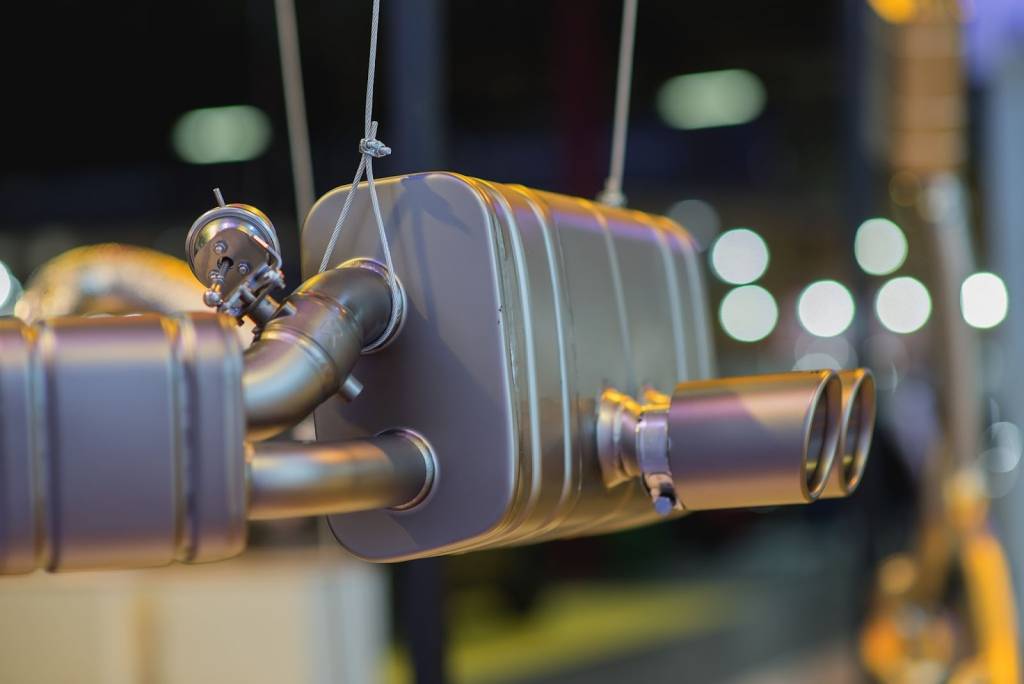
The exhaust system directs harmful gases away from the engine and passenger cabin. It begins at the exhaust manifold, which collects gases from each cylinder. Oxygen sensors measure leftover oxygen in the exhaust stream and send data to the engine computer. The catalytic converter then reduces harmful pollutants through chemical reactions that meet Environmental Protection Agency standards. After that process, the muffler and resonator reduce engine noise before gases exit the tailpipe. When any part fails, airflow becomes restricted, and performance often declines.
Why Exhaust Repair Matters for Drivers
Exhaust repair restores proper airflow and prevents toxic fumes from entering the cabin. Carbon monoxide exposure can cause headaches, dizziness, and serious health concerns. This health risk increases when leaks occur near the engine or under the car. Additionally, a damaged exhaust system reduces fuel efficiency because the engine must work harder to expel exhaust gases. Repairing faulty components improves throttle response and stabilizes engine operation. Drivers who maintain their exhaust systems protect both personal safety and the long-term value of their vehicles.
Signs You Need Exhaust System Service
Exhaust problems manifest as noticeable changes in sound, smell, and performance. This warning stage gives drivers a chance to act before deeper engine damage occurs. Recognizing these signs helps reduce repair costs and prevent roadside breakdowns. Paying attention to subtle changes keeps your vehicle reliable and safe.
Loud Engine Noise or Rattling
Loud engine noise often indicates a cracked muffler or a leaking pipe. Rattling sounds beneath the vehicle may indicate loose heat shields or broken hangers. These hangers securely hold the exhaust system to the chassis. When they fail, vibrations increase, and metal parts may shift out of alignment. Drivers might also notice droning sounds during acceleration. Professional exhaust diagnostics identify the exact source and prevent further wear.
Reduced Power and Poor Acceleration
Loss of engine power often points to restricted exhaust flow. A clogged catalytic converter can block gases from exiting efficiently. This blockage forces the engine to work harder, reducing acceleration. Drivers may hesitate before pressing the gas pedal. In many cases, the check engine light activates due to sensor readings outside the normal range. Addressing the problem quickly restores performance and protects engine components.
Exhaust Odor Inside the Vehicle
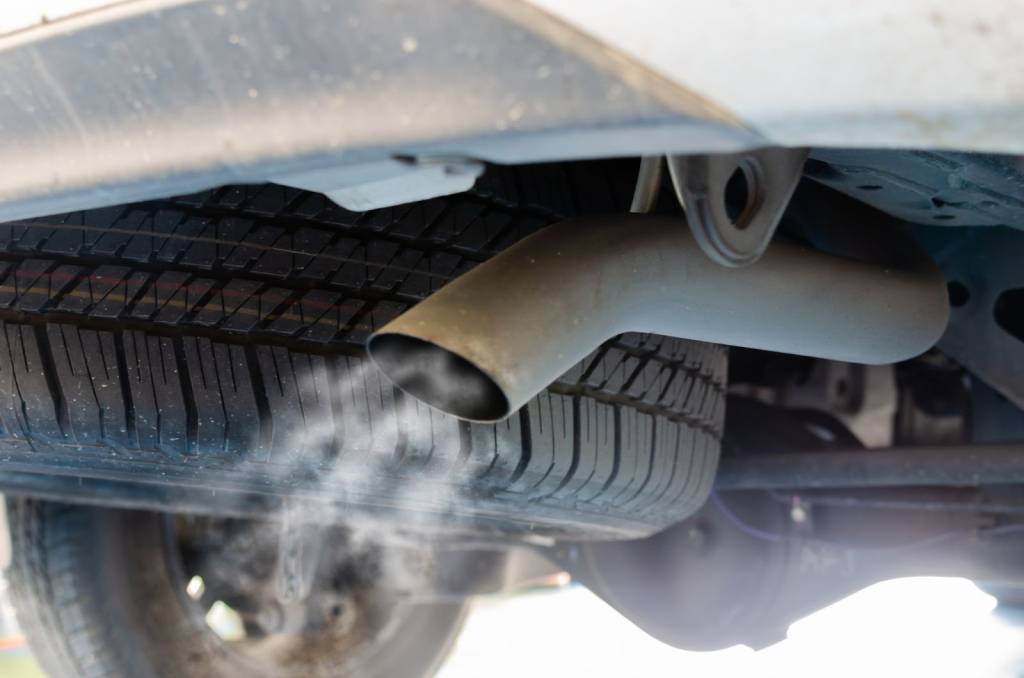
Exhaust fumes inside the cabin indicate a leak that requires immediate attention. These fumes may have a sulfur- or fuel-like odor before carbon monoxide becomes noticeable. Carbon monoxide is invisible and odorless, which increases the risk of exposure. Drivers should never ignore persistent odors while driving. Even small leaks can compromise cabin air quality. Certified technicians use smoke testing and visual inspection to safely locate and repair leaks.
Sudden Drop in Fuel Efficiency
Lower gas mileage often indicates faulty oxygen sensors or a blocked converter. These components regulate fuel mixtures for efficient combustion. When sensors send incorrect data, the engine may burn excess fuel. Drivers may notice frequent trips to the gas station without changes in driving habits. Diagnostic scanning tools reveal error codes that confirm exhaust-related issues. Restoring proper exhaust function improves fuel economy and reduces emissions output.
Common Exhaust Problems and Causes
Exhaust systems endure constant heat, vibration, and road exposure. This operating environment accelerates wear over time. Climate conditions and driving habits also influence system lifespan. Understanding typical failures helps drivers anticipate service needs.
Rust and Corrosion in Exhaust Pipes
Rust forms when moisture collects inside exhaust pipes during short trips. This moisture buildup prevents complete evaporation and weakens metal surfaces. In colder regions like Chicago, road salt accelerates corrosion. Over time, small holes develop, leading to noisy leaks. These leaks reduce efficiency and may trigger warning lights. Routine inspections at a trusted local repair shop catch corrosion before it spreads.
Catalytic Converter Damage
Catalytic converter failure often results from engine misfires or contamination. Unburned fuel can overheat the internal honeycomb structure. This overheating causes clogging and restricted airflow. Drivers may notice sluggish acceleration and increased exhaust heat. Converter replacement often requires professional installation due to emissions regulations. Reliable auto exhaust repair services use quality parts that meet federal standards.
Broken Mounts and Exhaust Leaks
Broken mounts allow the exhaust system to sag or misalign. This misalignment places strain on weld joints and pipe connections. Road debris can also crack exposed sections underneath the vehicle. Leaks then develop and release gases before they are properly filtered. Drivers often hear clunking noises when driving over uneven roads. Replacing worn mounts restores stability and prevents additional structural damage.
Climate Impact on Exhaust Lifespan
Climate and driving environment directly influence exhaust system durability. This environmental exposure determines how quickly corrosion and wear develop. Moisture, salt, and temperature changes affect metal components daily. Recognizing these factors helps drivers anticipate exhaust repair needs based on location and habits.
Cold Weather and Road Salt Damage
Cold climates accelerate rust formation inside exhaust pipes. Short winter trips prevent full evaporation of internal moisture. This trapped condensation corrodes metal from the inside outward. Road salt further speeds corrosion on external surfaces. Drivers in northern regions often replace mufflers more frequently due to salt exposure. Regular inspections during the winter months reduce the risk of sudden exhaust failure.
Coastal Air and High Humidity Effects
Coastal regions expose vehicles to salt-rich air year-round. This airborne salt settles on undercarriage components, promoting oxidation. High humidity also increases moisture retention inside exhaust systems. Metal surfaces corrode faster in these environments compared to dry inland areas. Drivers near coastal highways may notice rust forming earlier than expected. Protective coatings and periodic undercarriage cleaning help slow deterioration.
Urban Driving and Short Commutes
Urban stop-and-go traffic affects exhaust systems differently than highway driving. Engines in city traffic often run for short intervals. This limited runtime prevents exhaust components from reaching full operating temperature. As a result, condensation remains inside the pipes. Over time, internal rust develops even without visible external damage. Longer, steady-speed drives help evaporate moisture and extend system lifespan.
The Professional Exhaust Repair Process
Professional exhaust repair begins with a clear diagnosis and structured inspection. This process identifies root causes rather than masking symptoms. Certified technicians rely on diagnostic tools and hands-on evaluation. Understanding this process builds trust in repair recommendations.
Inspection and Diagnostic Testing
Technicians start with a visual inspection of pipes, joints, and mounting points. They look for rust, cracks, and loose components. Diagnostic scanners check oxygen sensor data and engine fault codes. This diagnostic step confirms whether the issue is related to emissions control or airflow restriction. Mechanics may also perform a smoke test to detect hidden leaks. Accurate testing prevents unnecessary part replacement and reduces costs.
Repair Versus Replacement Decisions
Repair decisions depend on the severity of the damage and the system’s overall condition. Minor leaks may require welding or clamp repairs. Severely corroded components often require full replacement. Technicians evaluate the condition of surrounding parts before recommending service. This evaluation protects drivers from repeated repairs on aging systems. Clear cost estimates help vehicle owners plan responsibly.
Cost Factors in Exhaust Repair
Repair costs vary based on vehicle type and component location. Catalytic converters generally cost more than mufflers because of their material composition. Labor time increases when bolts rust or when parts require special access. Imported or luxury vehicles may need specialized components. Reputable repair shops provide written estimates before starting work. Transparent pricing builds confidence and prevents unexpected charges.
Exhaust Backpressure and Engine Health
Exhaust backpressure is the resistance that gases encounter as they exit the engine. This pressure must remain within the manufacturer-defined range. As restrictions tighten, internal engine components operate under increased strain. Understanding this mechanical balance helps drivers see why timely exhaust repair protects long-term engine health.
What Happens When Backpressure is Too High
Excess backpressure traps exhaust gases inside the combustion chamber longer than intended. This condition raises internal temperatures and reduces combustion efficiency. As a result, engine valves and piston rings endure greater thermal stress. Over time, this strain may cause premature wear or sealing issues. Drivers might notice sluggish acceleration or rough idling before visible failure occurs. Addressing restricted flow through proper auto exhaust repair restores airflow balance and reduces internal engine stress.
How Exhaust Modifications Affect Flow
Aftermarket exhaust modifications often change pipe diameter or remove resonators. These alterations can disrupt the system’s engineered airflow balance. Larger pipes may reduce the necessary resistance in certain engines. Reduced resistance sometimes lowers low-speed torque and drivability. Similarly, poorly designed systems may increase vibration and uneven pressure distribution. Professional evaluation helps determine whether modifications support or harm engine performance.
Long-Term Impact on Engine Components
Sustained exhaust restriction affects more than short-term performance. Elevated heat may damage exhaust valves and warp cylinder heads over time. Oil viscosity can also degrade more rapidly at constant high temperatures. This heat exposure increases the risk of gasket failure and carbon buildup. Drivers rarely connect these internal problems to exhaust issues. Maintaining proper exhaust flow supports overall engine durability and reduces high-cost mechanical repairs.
Why Timely Auto Exhaust Repair Matters
Timely exhaust repair protects safety, performance, and legal compliance. This preventive action reduces the risk of expensive engine damage. Drivers who address issues promptly often avoid more serious mechanical problems. Consistent maintenance supports dependable daily driving.
Safety and Emissions Compliance
Exhaust systems must meet local and federal emissions standards. These regulations protect public health and environmental quality. Failing an emissions test can prevent vehicle registration renewal. Additionally, exhaust leaks expose drivers to harmful gases. Professional repair services verify compliance and restore system integrity. This repair approach protects both personal safety and regulatory standing.
Long-Term Engine Protection
Balanced exhaust flow prevents excessive backpressure in the engine. This airflow balance supports smooth combustion and stable performance—restricted flow forces internal components to operate beyond their design limits. Over time, this strain may damage valves or gaskets. Addressing exhaust issues reduces mechanical stress and extends engine life. Investing in proper repairs today reduces the risk of future, high-cost repairs.
Maintain Peak Performance With Exhaust Repair
Auto exhaust repair keeps your engine running efficiently while protecting you from harmful emissions exposure. Even minor exhaust issues can reduce power, increase fuel consumption, and strain internal components over time. Professional inspection and timely repairs restore proper airflow and stabilize engine performance before damage spreads. Schedule a trusted exhaust service soon to protect your vehicle’s reliability and preserve its long-term value on the road.
Your vehicle deserves informed decisions. Read more helpful tips and in-depth repair insights on the Monkey’s RV & Auto Repair blog today.