

Smooth shifting isn’t just about comfort—it’s a sign that your drivetrain is healthy and protected. By prioritizing consistent transmission service, you reduce heat, friction, and contamination that quietly erode internal components. That discipline pays off in longer vehicle life, fewer breakdowns, and better performance, whether you drive an automatic, CVT, or dual-clutch system.
How Transmission Service Extends the Life of Your Drivetrain
Every mile adds microscopic wear to clutch packs, valves, and bearings. Fresh fluid restores the lubricating film that separates moving parts, carries away heat, and suspends debris so it can be captured by the filter. When fluid shears down or gets contaminated, shift quality suffers and internal temperatures rise; timely service reverses those trends and keeps the transmission operating within its designed tolerances.
Transmission Service Intervals Aren’t One-Size-Fits-All
Owner’s manuals offer a baseline, but real-world conditions decide the proper schedule. Towing, steep grades, stop-and-go commutes, high heat, and cold starts all stress the system and shorten fluid life. Building your interval around how and where you drive is the difference between routine upkeep and expensive overhauls later.
Severe Duty Driving Changes Everything
Frequent idling, heavy loads, or mountain driving generate more heat, so earlier fluid and filter changes are smart. Shortening the interval prevents varnish and protects clutch materials.
Mileage and Time Both Matter
Even when miles are low, fluid ages as additives deplete and moisture accumulates. Using a time-based check—often every 2–3 years—keeps you on track.
Listen to the Warning Lights
A check engine or transmission warning accompanied by rough shifts warrants a visit. Early scans and fluid inspection can save major components.
What Transmission Service Actually Includes for Your Vehicle
Good service is more than a drain and fill. Technicians verify the correct fluid spec, remove the pan to inspect for debris, replace the filter and pan gasket where applicable, and torque fasteners to the specified torque. They’ll check for leaks at the cooler lines, output seals, and axle seals, then perform a road test and adapt the control module if the manufacturer calls for a relearn procedure. The result is cleaner fluid, stable line pressures, and consistent shift timing.
Transmission Service for Automatic, CVT, and Dual-Clutch Systems
Different technologies demand different care. Automatics rely on hydraulic pressure and torque converter lockup, CVTs use belts or chains on variable pulleys, and dual-clutch units blend manual gearsets with automated clutches. Each design needs the exact fluid chemistry the manufacturer specifies to maintain friction characteristics and cooling performance.
Automatics Need Correct Fluid Spec
Using an all-purpose fluid can change friction behavior and cause shudder. The right spec preserves clutch engagement and clean, crisp shifts.
CVTs Depend on Clean Fluid
Contaminants accelerate pulley and belt wear and create slip. Fresh fluid supports stable ratio changes and protects the chain or belt.
Dual-Clutch Units Benefit from Timely Care
Some versions use separate fluids for the gears and clutches. Following the recommended interval prevents harsh engagement and protects synchronizers.
How Transmission Service Improves Performance and Fuel Economy
Healthy fluid allows solenoids, valves, and clutches to respond exactly as the control unit commands. That precision reduces slip during shifts, enables reliable torque converter lockup, and lowers heat—all of which improve efficiency. Drivers often notice quicker, smoother gear changes and less hunting on hills after a proper service, especially if the fluid was overdue.
Transmission Service as Preventive Maintenance—Catching Problems Early
Routine visits put trained eyes under the vehicle and inside the pan. A small seep at a cooler line, dampness at an axle seal, or metallic fuzz on a magnet can reveal issues long before you feel a symptom. Addressing those early signs costs far less than repairing burned clutches, failed pumps, or damaged valve bodies.
Small Leaks Become Big Repairs
Low fluid raises temperatures and starves components of lubrication. Stopping leaks early preserves internal seals and bearings.
Heat is the Silent Killer
Every 20–30°F above normal operating temperature shortens fluid and component life. Clean fluid and intact coolers keep temps in the safe zone.
Contamination Tells a Story
Dark, burnt-smelling fluid or glitter in the pan signals abnormal wear. Intervening quickly can prevent collateral damage.
Signs You’re Overdue for Transmission Service
Delayed engagements, slipping on acceleration, shudder at steady speeds, or abrupt downshifts suggest the fluid isn’t doing its job. You might also see a warning light, experience elevated engine RPM at highway speeds, or hear a faint whine that changes with gear. None of these automatically means a major failure; often, timely service and diagnosis restore regular operation and prevent further wear.
Transmission Service Costs Versus Replacement Costs
A routine service is a predictable line item, while major repairs are not. Fluid, a filter, and labor may run a fraction of the price of rebuilding a valve body, replacing a torque converter, or installing a remanufactured unit. Spread over years of driving, scheduled maintenance is one of the most cost-effective investments you can make in your vehicle’s longevity.
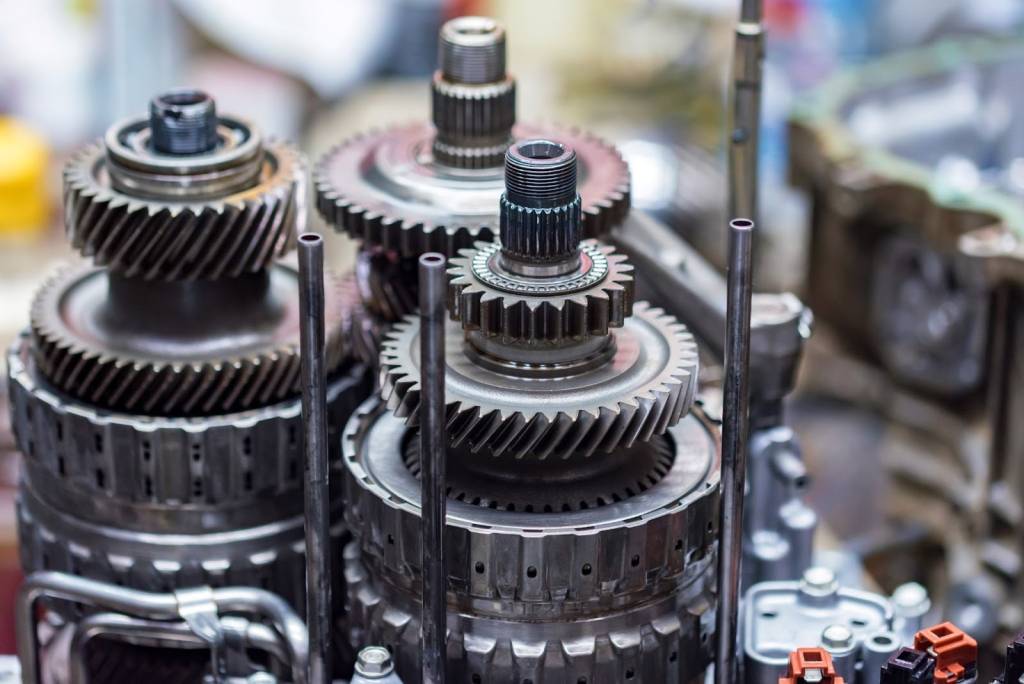
Vehicles With Unknown History Transmission Service
Buying used or inheriting a high-mileage car means you may not know what’s in the pan. A professional inspection with a measured approach—checking fluid condition, scanning for codes, and performing a service if the fluid isn’t severely burnt—establishes a baseline. From there, set a conservative interval and recheck for debris at the next visit to confirm the system is healthy.
The Role of Software Updates in Transmission Service
Modern powertrains rely on calibration to manage shift timing, line pressure, and converter lockup. During service, technicians can check for updated software that refines those strategies and corrects known issues. Pairing fresh fluid with current calibration improves drivability and may extend component life by reducing unnecessary slip.
Building a Practical Transmission Service Plan You’ll Actually Follow
The best plan is the one that fits your habits and budget. Start with the manufacturer’s interval, then adjust for towing, climate, and commute. Log dates, mileage, and services performed, and align visits with other maintenance so you make one appointment do double duty.
Pair It With Other Maintenance
Scheduling fluid service alongside oil changes, tire rotations, or brake work saves trips. Bundling tasks keeps your calendar clear and your vehicle consistent.
Document Every Visit
Keep digital invoices and note the fluid spec used. A clean paper trail supports warranty claims and boosts resale value.
The Value of Regular Transmission Service for Your Vehicle
Regular, spec-correct service protects the most complex system in your vehicle from its biggest enemies: heat, friction, and contamination. By tailoring intervals to your driving, addressing minor issues early, and keeping accurate records, you’ll enjoy smoother shifts, stronger reliability, and a longer service life from your drivetrain. If you’re unsure where to start, share your mileage, climate, and usage, and we can outline a schedule that matches your real-world needs.
Visit our Monkey’s RV & Auto Repair blog to learn more about the importance of regular transmission service for your vehicle.